
Japanese Maple Care: Expert Planting, Pruning & Maintenance Guide
Japanese Maple Care: Expert Planting, Pruning & Maintenance Guide
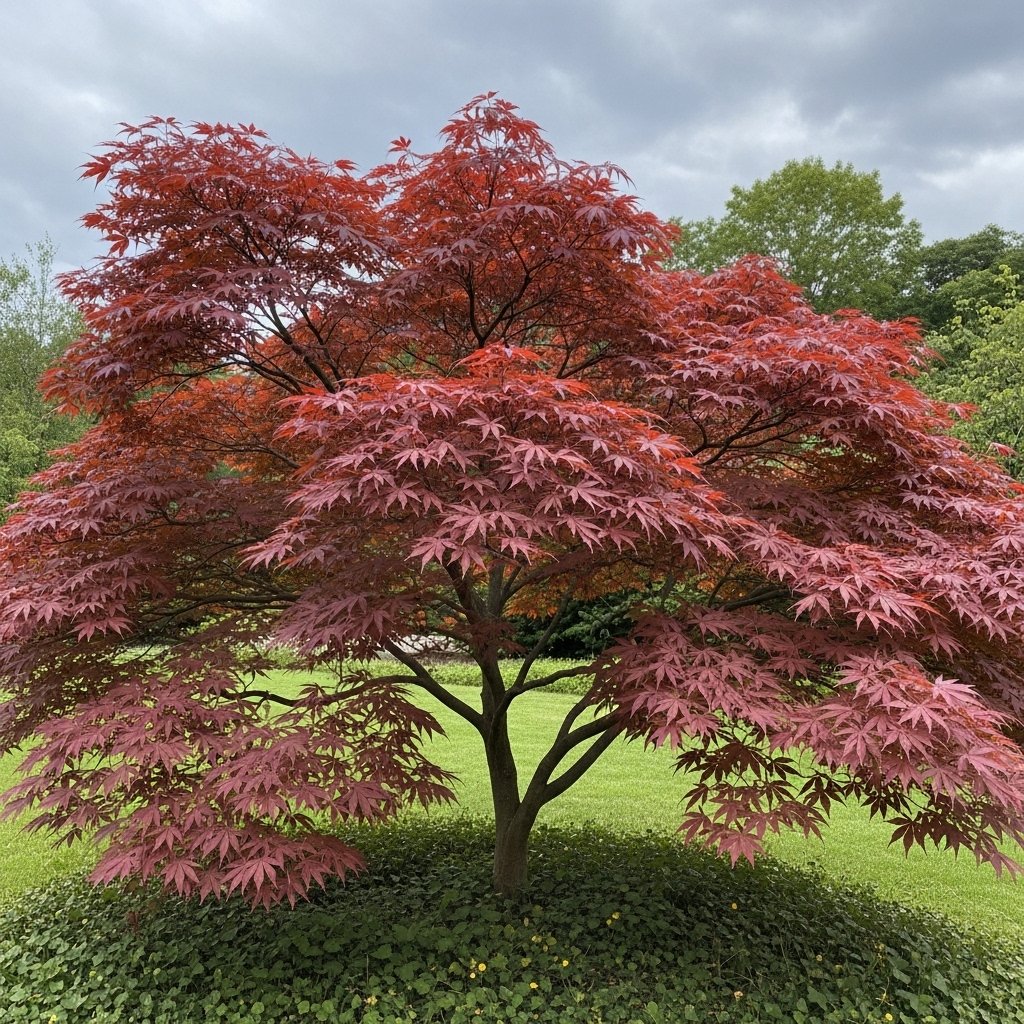
Japanese maples have a way of stealing the scene without ever raising their voice—one elegant silhouette and a blaze of foliage is often all it takes. But to keep that beauty consistent year after year, you need more than basic tree care advice; Japanese maple care is a craft that blends good site selection, thoughtful planting, precise pruning, and smart seasonal maintenance. This guide walks you through expert planting, pruning, and maintenance so your Japanese maple not only survives, but becomes the quiet centerpiece of your garden or patio.
Understanding Japanese Maples (Before You Plant)
Japanese maples (Acer palmatum and related species) are small, deciduous trees prized for finely cut leaves, vivid autumn color, and sculptural branching. They are native to Japan, Korea, and China and come in hundreds of cultivars ranging from weeping, lace-leaf forms to upright, vase-shaped trees. Most grow best in cool to mild climates, preferring moist, well-drained soil and protection from harsh afternoon sun, especially in hot or dry regions where leaf scorch is common.
Understanding your climate and the specific cultivar you’re planting is the foundation of good Japanese maple care; some varieties tolerate more sun, while others demand dappled shade to look their best.
Choosing the Right Site and Light
Sun, Shade, and Leaf Scorch
Light is one of the biggest variables affecting Japanese maple health and color. In mild or coastal climates, many cultivars can tolerate full sun if soil moisture is consistent and roots are mulched. In hotter or inland regions, partial shade—especially afternoon shade—is often essential to prevent leaf edges from browning and curling.
As a rule of thumb, darker-leaved cultivars tend to handle more sun, while green and finely cut lace-leaf types generally prefer dappled or morning sun with afternoon shade. A good placement strategy is morning sun plus light, filtered shade in the afternoon, often under the canopy of taller trees that provide broken light.
Space and Wind
Japanese maples also need room to show their form. Always check the mature height and spread of your cultivar and keep a safe distance from buildings, power lines, and crowded shrub beds. Shelter from strong, drying winds is ideal, as wind combined with sun and low humidity is a classic recipe for leaf scorch.
Soil and Planting: Setting Roots Up for Success
Ideal Soil Conditions
These trees prefer slightly acidic to neutral, moist but well-draining soil. Heavy clay that stays waterlogged invites root rot, while very sandy soil dries out too quickly and stresses shallow roots. Amending planting areas with organic matter such as compost can improve both drainage and moisture retention, especially in poor native soils.
For container-grown Japanese maples, use a high-quality, free-draining potting mix or loam-based compost designed for trees and shrubs rather than garden soil, which compacts and drains poorly in pots.
How to Plant a Japanese Maple (In-Ground)
A simple, proven planting method:
- Dig a hole as deep as the root ball and roughly twice as wide.
- Loosen the sides of the hole so new roots can penetrate the surrounding soil.
- Place the tree so the top of the root ball sits level with or slightly above the surrounding soil.
- Backfill with native soil (lightly amended if needed), firming gently to eliminate air pockets.
- Water deeply to settle the soil.
- Apply 5–8 cm of mulch around (but not touching) the trunk to conserve moisture and moderate temperature.
Planting too deep is a common mistake that can suffocate roots; you should be able to see the root flare just above the soil line.
Growing Japanese Maples in Containers
Japanese maples are exceptionally well-suited to container culture when you choose the right cultivar and pot. Dwarf and compact varieties are ideal, but larger trees can also thrive in containers with regular root pruning or repotting.
Key principles for container success:
- Choose a dwarf or slow-growing cultivar if possible, especially for balconies or small patios.
- Select a container with ample drainage holes; avoid oversized pots that stay wet for too long around young root systems.
- Use a free-draining, nutrient-rich mix; avoid heavy topsoil and potting mixes loaded with wetting agents.
- Repot every few years to refresh the mix and manage circling roots.
Because containerized Japanese maples are more exposed to heat and cold, they need closer attention to watering and winter protection than in-ground trees.
Watering and Mulching: Preventing Stress
How Much Water Does a Japanese Maple Need?
The goal is consistent moisture, not constantly soggy soil. For newly planted trees, deep watering once or twice a week during the first growing season is typical, adjusted for rainfall and soil type. Mature, in-ground trees usually develop enough root mass to handle normal fluctuations once established, but they still appreciate deep, occasional watering during dry spells.
Container-grown trees dry out more quickly; in warm weather, you may need to water once a day, checking the top few centimeters of soil with your finger and watering when it feels dry. Always ensure excess water can drain freely out of the pot to avoid root rot.
The Role of Mulch
Mulching is one of the simplest, highest-impact practices for Japanese maple care. A 5–8 cm layer of organic mulch—such as shredded bark, leaf mold, or wood chips—keeps roots cool, reduces evaporation, and buffers soil temperature swings. Keep mulch a few centimeters away from the trunk to prevent rot and rodent damage.
Fertilizing: Less Is Often More
Japanese maples are not heavy feeders and can suffer from excessive fertilization, which promotes fast, weak growth and dulls foliage color. In most garden soils, a light application of a balanced, slow-release fertilizer in early spring is sufficient, especially for younger trees still establishing. Container trees can benefit from a gentle, general-purpose feed in spring because nutrients leach out more quickly from pots.
Avoid high-nitrogen lawn fertilizers near the root zone; they can push lush, vulnerable growth and disrupt the tree’s natural silhouette.
Pruning Japanese Maples: Shape Without Butchering
When to Prune
Timing matters because maples can “bleed” sap heavily at the wrong time of year. Many experts recommend pruning between mid-summer and mid-winter, after the spring sap flush has slowed and before severe cold. Light aesthetic pruning can also be done in late spring once leaves are out, so you can see how cuts will affect the overall look.
How to Prune (Step by Step)
The goal is to enhance the tree’s natural architecture, not impose a new shape.
- Start by removing any dead, diseased, or damaged branches.
- Eliminate crossing, rubbing, or inward-growing branches that clutter the interior.
- Thin congested areas by removing small interior twigs, improving air flow and revealing the branching structure.
- Make clean cuts just above a branch collar or outward-facing bud, using sharp, sterile pruners.
- Avoid removing more than about 20% of the canopy in a single season to reduce stress.
Heavy topping, shearing, or attempts to radically reshape a Japanese maple almost always result in awkward growth and long-term damage. If you’re unsure, do less and step back frequently; the tree’s natural form is usually your best design guide.
Seasonal Care: Spring to Winter
Spring
In spring, monitor new growth for late frost damage, especially on container trees and young plantings. This is also a good time to apply a light, slow-release fertilizer and top up mulch before summer heat arrives. Check soil drainage after winter; correct any low spots that collect water around the trunk.
Summer
Summer care focuses on heat and moisture management. Provide consistent deep watering, maintain mulch, and consider temporary shade (for example, a shade cloth or strategic umbrella) during extreme heatwaves to prevent leaf scorch. Avoid major pruning or transplanting during peak heat, as this can stress the tree further.
Autumn
Autumn is when Japanese maples shine, but it’s also a strategic time for structural pruning in many climates. Late summer to early fall, once growth has hardened, is often cited as an excellent window to refine shape and remove problem branches. Continue watering during dry spells until the ground freezes; dry soil going into winter increases stress.
Winter
In colder regions, young or container-grown Japanese maples may need winter protection. For pots, move trees against a sheltered wall, group containers together, or use insulating wraps around the pot to protect roots from freeze–thaw cycles. Avoid winter salt spray from roads and paths, which can burn delicate twigs and buds.
Common Problems and How to Avoid Them
- Leaf scorch (brown edges): Usually caused by too much sun, wind, or inconsistent moisture; improve watering, increase shade, and maintain mulch.
- Poor color: Often due to too much shade or over-fertilizing; adjust light exposure and cut back on high-nitrogen feeds.
- Root rot: Caused by waterlogged soil or containers without drainage holes; improve drainage and avoid planting too deep.
- Weak, lanky growth: Typically a result of insufficient light or heavy nitrogen; increase sun exposure where possible and moderate fertilizer use.
Most issues are preventable with good siting, balanced watering, and a light hand with fertilizer and pruning.
FAQ Section
1. Where is the best place to plant a Japanese maple?
The best spot provides morning sun with afternoon shade, shelter from strong winds, and well-drained, slightly acidic soil, allowing the tree to show good color without suffering leaf scorch.
2. Can Japanese maples grow in full sun?
In mild or coastal climates and with certain sun-tolerant cultivars, Japanese maples can handle full sun if they have consistent moisture and mulch; in hot, dry regions, they generally need partial shade.
3. How often should I water a Japanese maple?
New trees typically need deep watering once or twice a week during dry weather, while established trees need less frequent but thorough watering; container trees may require daily checks in summer.
4. When is the best time to prune a Japanese maple?
Many experts recommend pruning between late summer and mid-winter, after the spring sap flush, keeping cuts light and focused on dead, damaged, or crossing branches to preserve the natural form.
5. Are Japanese maples good for containers?
Yes, especially dwarf and compact cultivars; they thrive in well-draining potting mix, containers with good drainage, and locations with partial shade, plus careful watering and occasional repotting.