
How to Cook a Perfect Turkey in an Electric Roaster Oven: The Ultimate Guide
How to Cook a Perfect Turkey in an Electric Roaster Oven: The Ultimate Guide
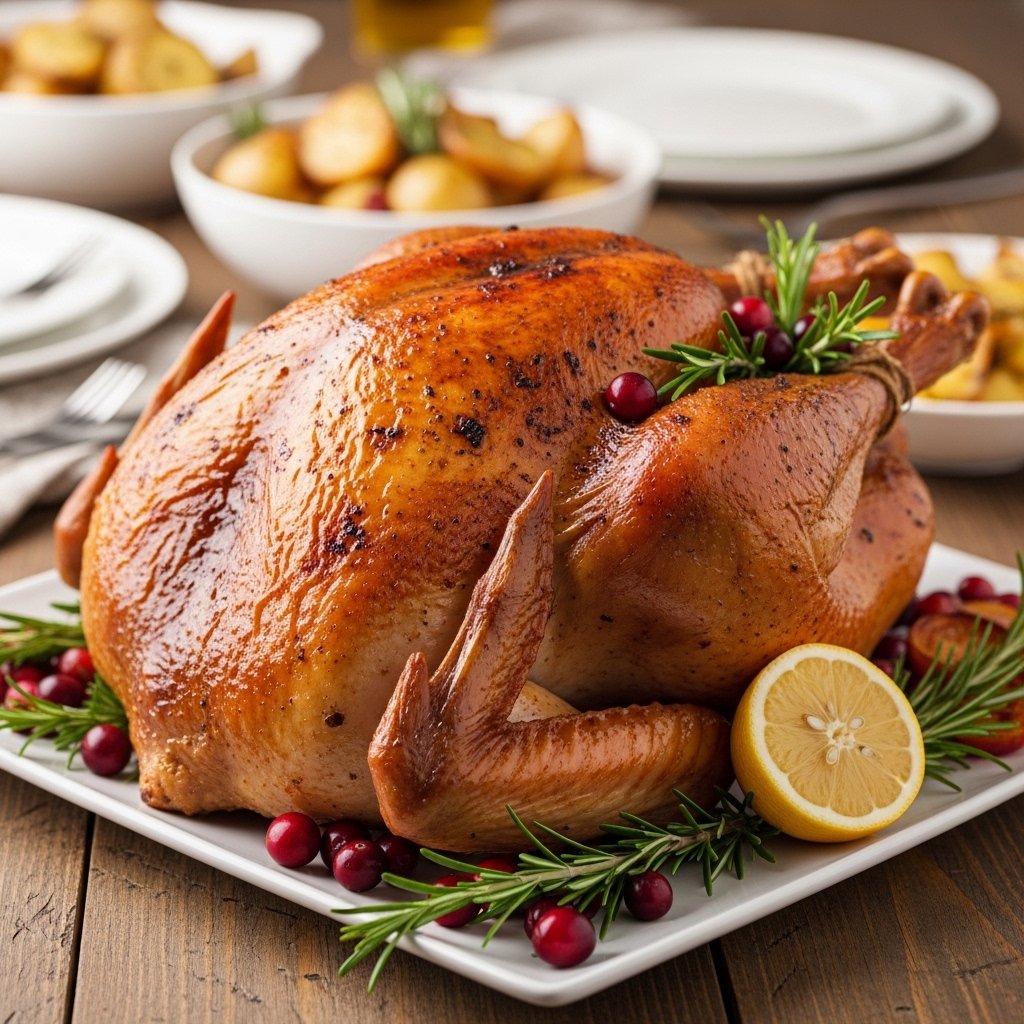
Cooking a turkey doesn’t have to be stressful. With an electric roaster oven, you can achieve a beautifully golden, juicy turkey with minimal effort while freeing up your main oven for side dishes and desserts.
This method is especially popular during holidays because it simplifies the process, reduces guesswork, and consistently delivers excellent results. Whether you’re hosting a large gathering or preparing a special family meal, using a roaster oven can make turkey cooking far more manageable.
Why Use an Electric Roaster Oven?
An electric roaster oven is designed to circulate heat evenly, creating a controlled cooking environment that helps prevent dry or unevenly cooked turkey.
- Frees up your main oven for other dishes
- Retains moisture for tender, juicy meat
- Promotes even cooking throughout the bird
- Requires less monitoring and basting
- Energy-efficient and easy to use
Because the turkey cooks in a covered environment, it naturally self-bastes, reducing the need for constant attention.
Equipment and Ingredients You’ll Need
Essential Equipment
- Electric roaster oven (18–22 quarts recommended)
- Roasting rack (usually included)
- Meat thermometer (digital or probe-style)
- Aluminum foil
- Paper towels
Ingredients
- Whole turkey (12–24 pounds, fully thawed)
- Butter or oil
- Salt and black pepper
- Garlic powder
- Herbs (sage, thyme, rosemary)
Optional Aromatics
- Onion quarters
- Lemon wedges
- Garlic cloves
- Fresh herbs
These ingredients create a classic, flavorful turkey with minimal complexity.
Preparing the Turkey
Proper preparation is essential for both safety and flavor.
Thawing the Turkey
- Refrigerator method: Allow 24 hours per 4 pounds
- Cold water method: Submerge in cold water, changing every 30 minutes (30 minutes per pound)
Never thaw a turkey at room temperature.
Cleaning and Drying
Remove the packaging, neck, and giblets. Pat the turkey completely dry inside and out with paper towels. Dry skin helps achieve better browning.
How to Season a Turkey for Maximum Flavor
Seasoning is where you build depth and richness.
- Rub butter or oil over the entire turkey, including under the skin
- Season generously with salt, pepper, garlic powder, and herbs
- Add aromatics like onion, lemon, and herbs inside the cavity
- Place small pieces of butter under the skin for extra moisture
This combination ensures flavor penetrates the meat while keeping it juicy.
Step-by-Step: Cooking Turkey in an Electric Roaster
1. Preheat the Roaster
Preheat your electric roaster oven to 450°F (232°C).
2. Prepare the Turkey
Place the turkey breast-side up on the rack. Tuck the wings under the body and tie the legs if desired.
3. Start with High Heat
Cook at 450°F for 30 minutes. This initial high heat helps brown and crisp the skin.
Do not open the lid during this stage.
4. Lower the Temperature
Reduce the temperature to 325°F (163°C) and continue cooking until done.
5. Monitor Internal Temperature
Check the turkey about 30 minutes before the estimated finish time.
The turkey is done when it reaches 165°F (74°C) in the thickest part of the thigh.
6. Avoid Opening the Lid
Keep the lid closed as much as possible. Opening it releases heat and can significantly increase cooking time.
Turkey Cooking Time Guide
- 12–14 pounds: 2.5 to 3 hours
- 15–18 pounds: 3 to 3.5 hours
- 19–22 pounds: 3.5 to 4 hours
Always rely on internal temperature rather than time alone for accuracy.
Making Gravy from Roaster Drippings
Once the turkey is done, you can use the flavorful drippings to make gravy.
- Pour drippings into a bowl or fat separator
- Skim excess fat
- Use the remaining liquid as a base for gravy
- Thicken with flour or cornstarch
This adds richness and ties the entire meal together.
Resting and Carving the Turkey
Why Resting Matters
Let the turkey rest for 20–30 minutes after cooking. This allows juices to redistribute, keeping the meat moist.
Carving Tips
- Use a sharp knife for clean cuts
- Remove legs and thighs first
- Slice the breast meat evenly across the grain
Proper carving ensures better presentation and texture.
Troubleshooting Common Issues
Even with a reliable method, small issues can arise.
- Turkey browning too fast: Cover loosely with foil
- Not enough browning: Increase temperature to 375°F for the last 20 minutes
- Dry meat: Avoid overcooking and always use a thermometer
- Longer cooking time: Keep the lid closed to maintain heat
These adjustments help you stay in control of the final result.
Expert Tips for the Best Results
- Use a probe thermometer for accurate, hands-free monitoring
- Avoid overstuffing the cavity to ensure even cooking
- Let the turkey air-dry in the fridge before cooking for crispier skin
- Add aromatics for enhanced flavor without extra effort
- Trust the process—roaster ovens are designed to simplify cooking
These small details can elevate your turkey from good to exceptional.
Why This Method Works
Electric roaster ovens create a sealed, evenly heated environment that locks in moisture while cooking the turkey thoroughly. The initial high heat jumpstarts browning, while the lower temperature ensures gentle, even cooking.
Because the turkey cooks in its own juices, the result is consistently tender meat with less need for basting or constant supervision.
Serving Suggestions
A perfectly roasted turkey pairs well with classic sides and festive dishes.
- Mashed potatoes and gravy
- Stuffing or dressing
- Roasted vegetables
- Cranberry sauce
- Dinner rolls
Leftovers can be used in sandwiches, soups, or casseroles.
Cooking a turkey in an electric roaster oven is one of the easiest ways to achieve a stress-free, delicious holiday meal. With simple preparation, reliable cooking times, and minimal effort, you can serve a perfectly cooked turkey that’s juicy, flavorful, and sure to impress.
FAQs
Can I place a frozen turkey in an electric roaster oven?
No, be sure to fully thaw in the fridge (24 hours per 5 lbs). Cooking from the frozen state risks uneven cooking and uneven bacteria growth.
What is the correct internal temperature to roast-rear turkey?
But whether you are looking for a whole meal or just some snacks at home, the nest online journals have you covered! Aim for 175-180°F in the thigh and 165°F in the breast. Then the meat can both remain juicy and safe without being cooked too thoroughly.
To what extent do I need to fill the roaster?
Add 1-2 inches or about 2 cups.More steam, more moisturized meat and flavorful gravy too, created by the steam.
Can I stuff the turkey before roasting it?
While it is alright to lightly stuff with aromatics–stuffing such as onions and herbs–do not use bread stuffing as in an oven, the meat retains too much moisture for safety.
Is the roast-pan turkey better after brining?
Yes:–a 12-hour brine of salt, after it has drained boosts juiciness. Rinse off any remaining salts and dry the skin
How do I store leftovers from roast-pan turkey?
Handling the turkey carefully in the refrigerator, storing pieces set lightly in small lightweight lid-top boxes. You can keep them for as long as 3 months.Cooked food freezes well, also makes an excellent base for a soup.