
Roasted Spaghetti Squash Recipe (Crispy, Easy & Ready in 45 Minutes)
Roasted Spaghetti Squash Recipe: Crispy, Easy & Ready in 45 Minutes
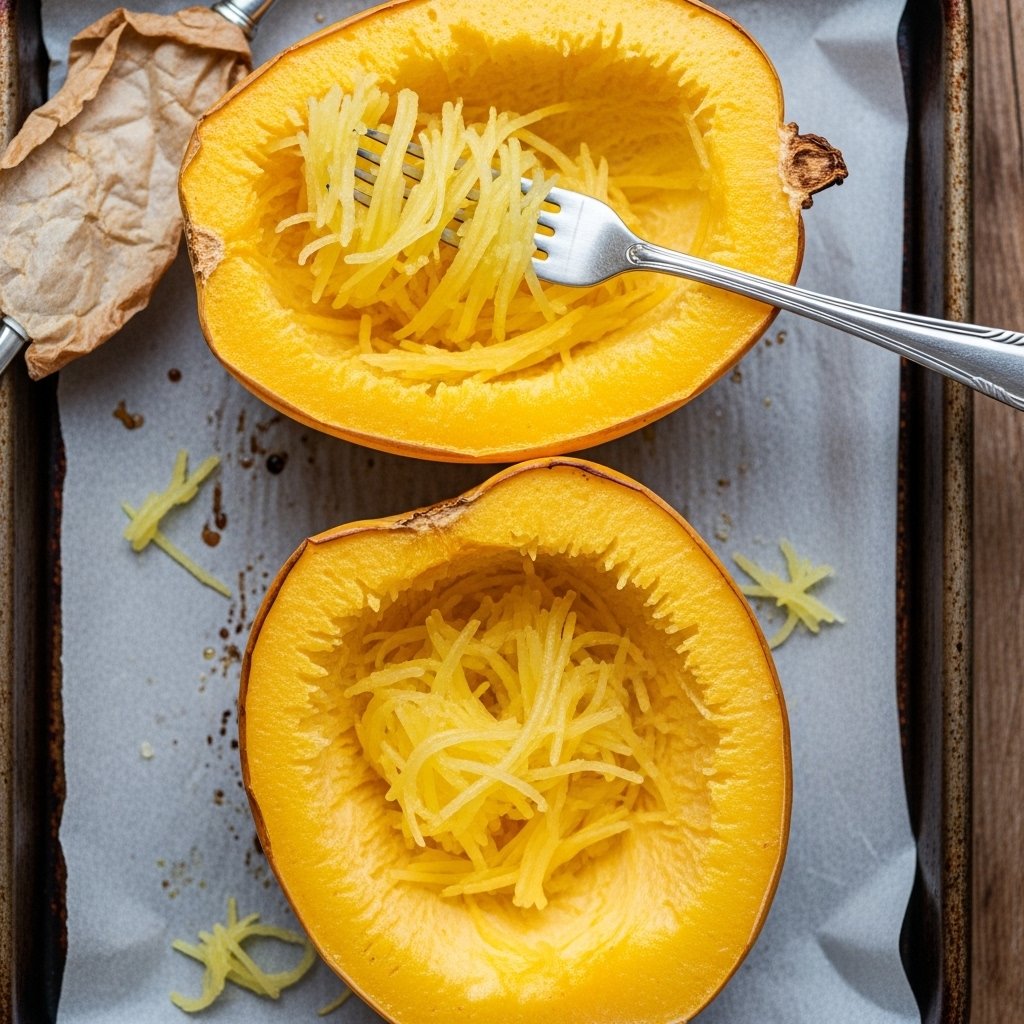
Spaghetti squash is one of the most versatile and nutritious vegetables you can add to your kitchen routine. When cooked properly, its flesh transforms into long, tender strands that resemble spaghetti—making it a popular low-carb alternative to traditional pasta.
Whether you’re looking for a healthy dinner option, a creative base for sauces, or a simple side dish, learning how to cook spaghetti squash the right way ensures the best texture and flavor every time.
Why Spaghetti Squash Is So Popular
Spaghetti squash has gained widespread popularity among home cooks for its flexibility and health benefits.
- Low-carb pasta substitute: Ideal for those reducing carbohydrates or following gluten-free diets
- Mild flavor: Pairs well with a wide variety of sauces and seasonings
- Nutrient-rich: High in fiber, vitamins, and antioxidants
- Easy to prepare: Requires minimal ingredients and simple cooking techniques
Its ability to adapt to different cuisines makes it a staple in many kitchens.
How to Choose and Store Spaghetti Squash
Selecting a good squash is the first step to a successful dish.
How to Choose
- Look for a firm squash that feels heavy for its size
- Choose one with smooth, even yellow skin
- Avoid soft spots, cracks, or blemishes
- A dry, intact stem indicates freshness
Storage Tips
- Store whole squash at room temperature for up to one month
- Once cut, wrap tightly and refrigerate for 3–4 days
Proper storage helps maintain both flavor and texture.
The Best Way to Cook Spaghetti Squash: Roasting
While you can microwave or steam spaghetti squash, roasting is widely considered the best method.
Why Roasting Works Best
- Enhances flavor through light caramelization
- Reduces excess moisture, preventing sogginess
- Creates tender yet slightly firm strands
- Allows better control over doneness
Roasting delivers the perfect balance between softness and structure.
Ingredients and Tools You’ll Need
Ingredients
- 1 spaghetti squash (2–5 pounds)
- 1–2 teaspoons olive oil per half
- Salt and black pepper
Tools
- Sharp chef’s knife
- Baking sheet
- Spoon for removing seeds
- Fork for scraping strands
These simple ingredients and tools are all you need to get started.
Step-by-Step: How to Roast Spaghetti Squash
1. Preheat the Oven
Set your oven to 400°F (200°C). Line a baking sheet with parchment paper or foil for easy cleanup.
2. Cut the Squash Lengthwise
Carefully slice the squash from stem to tail using a sharp knife. If it’s difficult to cut, microwave it for 1–2 minutes to soften the skin slightly.
3. Remove the Seeds
Use a spoon to scoop out the seeds and stringy center. You can save the seeds for roasting if desired.
4. Season the Squash
Drizzle olive oil over the cut sides and season with salt and pepper. Rub gently to distribute evenly.
5. Roast Cut-Side Down
Place the squash halves cut-side down on the baking sheet. This helps trap steam and cook the flesh evenly.
Roast for 30–45 minutes, depending on size.
6. Check for Doneness
The squash is ready when the skin yields slightly when pressed and a fork easily pierces the flesh.
7. Scrape Into Strands
Let the squash cool for about 10 minutes. Then, use a fork to scrape the flesh lengthwise, creating spaghetti-like strands.
Tips for Perfect Spaghetti Squash
Achieving the ideal texture comes down to a few simple techniques.
- Avoid overcooking, which leads to mushy strands
- Roast cut-side down to maintain structure and moisture balance
- Scrape lengthwise for longer, noodle-like strands
- Adjust cooking time based on size
- Taste and season after cooking for best flavor
These tips help you consistently get the best results.
Common Mistakes to Avoid
Even a simple recipe can go wrong without proper technique.
- Overcooking the squash, resulting in soft, watery strands
- Cutting crosswise instead of lengthwise, leading to shorter strands
- Skipping seasoning, which can make the squash taste bland
- Using alternative cooking methods that create excess moisture
Avoiding these mistakes ensures better texture and flavor.
Alternative Cooking Methods
While roasting is the best method, there are quicker options.
Microwave Method
Cook the squash halves in the microwave for 8–12 minutes. This is faster but may result in softer, less flavorful strands.
Steaming Method
Steam cut squash until tender. This preserves nutrients but can make the texture more watery.
These methods are useful in a pinch but don’t match the flavor of roasting.
Delicious Ways to Serve Spaghetti Squash
Spaghetti squash works as both a main dish and a side, depending on how you serve it.
Classic Pasta Style
Top with marinara sauce and fresh basil for a healthy spaghetti alternative.
Pesto Squash
Toss with basil pesto, pine nuts, and Parmesan cheese.
Garlic and Olive Oil
Sauté with garlic, olive oil, and chili flakes for a simple, flavorful dish.
Stuffed Squash Boats
Fill the shells with vegetables, cheese, or cooked meat and bake until golden.
Casserole Style
Layer with sauce, cheese, and protein for a hearty baked dish.
Southwest Bowl
Top with black beans, corn, salsa, and avocado for a fresh, vibrant meal.
These variations make it easy to keep meals interesting.
Nutritional Benefits
Spaghetti squash is not only versatile but also highly nutritious.
- Low in calories and carbohydrates
- High in fiber for digestive health
- Rich in vitamins like vitamin C and B6
- Naturally gluten-free
It’s an excellent option for balanced, health-conscious meals.
Storage and Reheating Tips
Refrigeration
Store cooked spaghetti squash in an airtight container for up to 4 days.
Freezing
Freeze in portioned containers for up to 2 months. Thaw before reheating.
Reheating
Warm in a skillet or microwave. Avoid overcooking to maintain texture.
Proper storage ensures you can enjoy leftovers without losing quality.
Why This Method Works
Roasting spaghetti squash allows excess moisture to evaporate while enhancing natural sweetness through caramelization. Cooking the squash cut-side down creates a controlled steaming effect that softens the flesh without making it soggy.
This balance is what produces tender, slightly firm strands that mimic pasta so well.
Spaghetti squash is a simple yet powerful ingredient that can transform everyday meals into something lighter, healthier, and just as satisfying. With the right cooking method and a few creative toppings, it can easily become a staple in your kitchen.
FAQs
How long to roast spaghetti squash at 400°F?
Roast halves cut-side down for 40–45 minutes, until fork-tender and the edges are browned.
Do you eat the skin of roasted spaghetti squash?
No, discard the rind—it’s tough. Scrape only the soft flesh inside.
Can I microwave spaghetti squash instead of roasting?
Yes, poke whole, microwave 8–10 minutes, then finish roasting 20 minutes for crisp.
Is roasted spaghetti squash keto-friendly?
Absolutely—4g net carbs per cup, high fiber, perfect low-carb pasta alternative.
How do you know when spaghetti squash is done roasting?
Flesh yields easily to a fork, rind softens, and a nutty aroma emerges.