
Homemade Eggnog (The Best Recipe!) – Creamy, Boozy & Ready in 20 Minutes
Homemade Eggnog – Creamy, Boozy & Ready in 20 Minutes
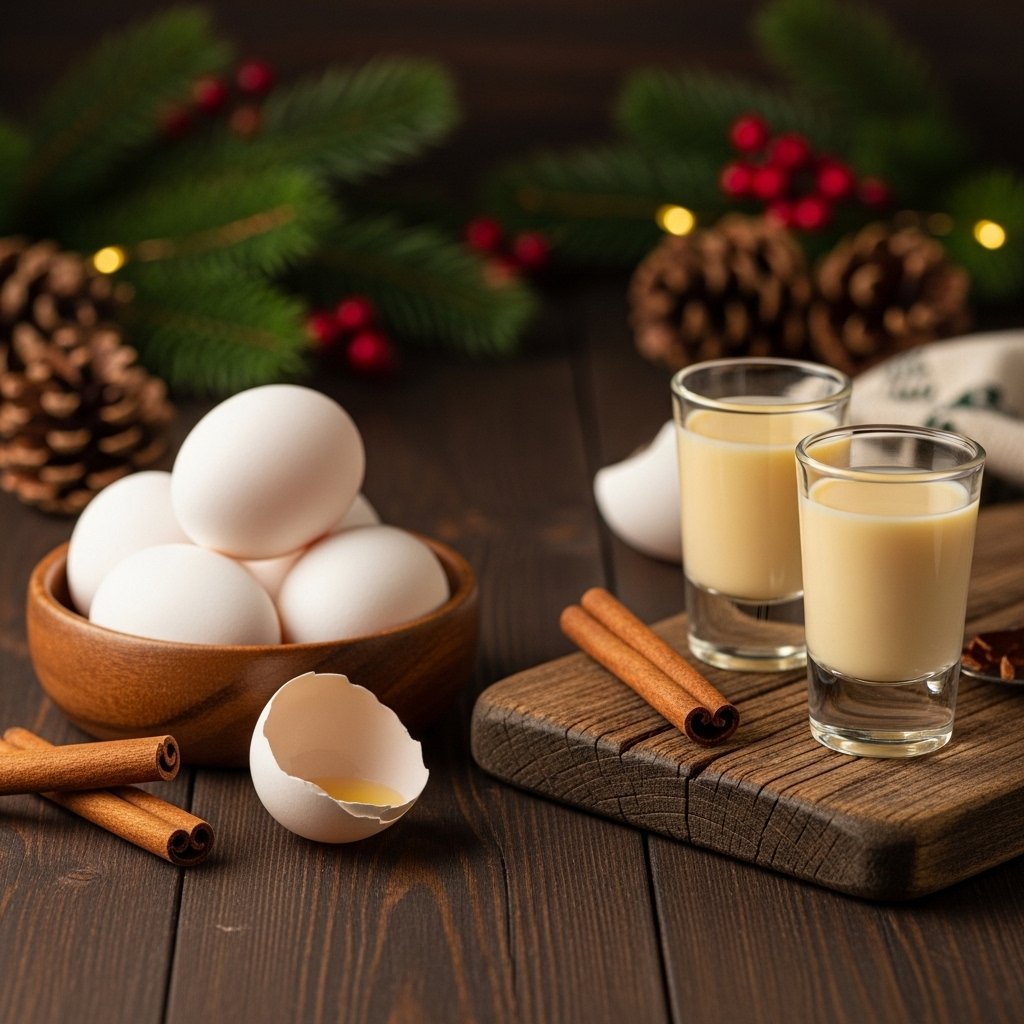
Homemade eggnog is one of the most iconic holiday drinks—rich, creamy, and filled with warm spices that instantly evoke the festive season. While store-bought versions are convenient, nothing compares to the flavor and texture of eggnog made from scratch.
With just a handful of ingredients and a simple cooking method, you can create a smooth, luxurious drink that’s perfect for holiday gatherings, cozy nights, or special celebrations. This guide walks you through every step, ensuring your eggnog turns out perfectly every time.
What Is Eggnog?
Eggnog is a traditional holiday beverage made from milk, cream, sugar, eggs, and spices like nutmeg. It’s typically served chilled and often includes alcohol such as rum, bourbon, or brandy for added warmth and depth.
What sets homemade eggnog apart is its velvety texture and balanced flavor—creamy without being too heavy, sweet but not overpowering, and gently spiced.
Why Make Eggnog at Home?
Making eggnog from scratch offers several advantages over store-bought versions.
- Fresher flavor with better control over sweetness and spice
- Creamier texture without artificial thickeners
- Customizable with or without alcohol
- Ability to adjust richness and ingredients to your preference
- A traditional, festive experience that adds to holiday enjoyment
Once you try homemade eggnog, it often becomes a yearly tradition.
Ingredients for Classic Homemade Eggnog
Each ingredient plays an important role in achieving the perfect balance.
- 4 large eggs
- 2/3 cup granulated sugar (divided)
- 2 cups whole milk
- 1 cup heavy cream
- 1 teaspoon vanilla extract
- 1/2 teaspoon freshly grated nutmeg (plus more for garnish)
- Pinch of salt
- 1/2 to 1 cup bourbon, rum, or brandy (optional)
Ingredient Notes
- Eggs create the signature creamy texture
- Whole milk and cream provide richness
- Nutmeg adds the classic holiday flavor
- Alcohol enhances flavor and acts as a mild preservative
Using high-quality ingredients makes a noticeable difference in taste.
Equipment You’ll Need
- Medium saucepan
- Mixing bowl
- Whisk
- Fine mesh strainer
- Thermometer (recommended for accuracy)
- Pitcher or storage container
These tools help ensure a smooth and consistent result.
Step-by-Step: How to Make Homemade Eggnog
1. Whisk Eggs and Sugar
In a bowl, whisk together the eggs and about half of the sugar until the mixture becomes pale and slightly thickened.
2. Heat Milk and Cream
In a saucepan, combine milk, cream, remaining sugar, nutmeg, salt, and vanilla. Heat over medium until steaming, but do not let it boil.
3. Temper the Eggs
Slowly add a ladle of the warm milk mixture into the eggs while whisking constantly. Repeat several times to gently raise the temperature without scrambling the eggs.
4. Cook the Mixture
Pour the tempered egg mixture back into the saucepan. Cook over medium-low heat, stirring constantly, until it thickens slightly and reaches 160°F (71°C).
Do not allow it to boil, as this can cause curdling.
5. Strain and Cool
Pour the eggnog through a fine mesh strainer into a clean container to remove any cooked bits. Let it cool to room temperature.
6. Chill
Refrigerate for at least 2 hours until fully chilled. This step improves both flavor and texture.
7. Add Alcohol (Optional)
Stir in bourbon, rum, or brandy once the mixture is cool.
8. Serve
Pour into glasses and garnish with freshly grated nutmeg before serving.
Tips for Perfect Eggnog
A few key techniques will help you achieve the best results.
- Cook gently and avoid boiling to prevent curdling
- Use a thermometer for precise temperature control
- Strain the mixture for a smooth, silky texture
- Chill thoroughly before serving for best flavor
- Taste and adjust sweetness or spice as needed
Taking your time with each step ensures a professional-quality result.
Common Problems and How to Fix Them
Even simple recipes can have challenges—here’s how to handle them.
- Curdled eggnog: Strain immediately and whisk vigorously
- Too thick: Add a splash of milk to thin it out
- Too thin: Return to heat briefly and cook slightly longer
- Too sweet: Balance with a pinch of salt or extra dairy
- Too strong (alcohol): Dilute with milk or cream
These quick fixes can save your batch without starting over.
Flavor Variations to Try
Once you master the classic recipe, try experimenting with different flavors.
Spiced Eggnog
Add cinnamon, cloves, or allspice for a deeper spice profile.
Dairy-Free Eggnog
Use coconut milk and almond or oat milk. Substitute cream with coconut cream for richness.
Vanilla Bean Eggnog
Infuse milk with a split vanilla bean for a more intense flavor.
Extra Creamy Version
Increase the amount of cream for a richer, dessert-like drink.
Alcohol-Free Eggnog
Skip the alcohol for a family-friendly version that’s just as delicious.
These variations allow you to tailor eggnog to any preference.
Serving Ideas and Garnishes
Presentation can elevate your eggnog experience.
- Top with freshly grated nutmeg
- Add whipped cream for extra indulgence
- Garnish with a cinnamon stick
- Serve in festive glasses or mugs
Eggnog is best served chilled, making it refreshing despite its richness.
Storage and Make-Ahead Tips
Refrigeration
Store eggnog in an airtight container in the refrigerator for up to 3 days. Stir before serving, as ingredients may settle.
Make Ahead
Eggnog often tastes better after resting for a day, allowing flavors to meld.
Freezing
You can freeze eggnog for longer storage, though the texture may change slightly. Thaw in the refrigerator and whisk well before serving.
Why This Recipe Works
This method works because it carefully balances heat and technique. Tempering the eggs prevents scrambling, while gentle cooking thickens the mixture safely. Straining ensures a smooth texture, and chilling allows flavors to fully develop.
The combination of dairy, eggs, sugar, and spices creates a drink that is rich yet balanced, making it a timeless holiday favorite.
Homemade eggnog is more than just a drink—it’s a seasonal tradition that brings warmth and celebration to any gathering. With simple ingredients and the right technique, you can create a creamy, flavorful eggnog that becomes a highlight of your holiday table.
FAQs
Is homemade eggnog safe to drink?
Yes, it does take pasteurized eggs, the tempered heated milk and the chill-factor for safety. It eliminates salmonella dangers of uncooked eggs. Refrigerate and eat within 5 days.Cooked: If you’re expecting or immune-compromised, go for cooked over raw. Always use fresh dairy.
Can you make eggnog without alcohol?
Absolutely—this recipe shines alcohol-free. Omit the booze for kids or nondrinkers, or infuse with espresso for a coffee nog. Full-flavour from the cream, spices and vanilla. Spike by glass later, if desired for flexibility at mixed-company gatherings.
How long does homemade eggnog last?
Transfer to a sealed pitcher and store in the fridge for 3–5 days. It does separate, just stir before serving. Freezing ladlefuls in ice cube trays—the mixture freezes for up to 2 months; just thaw and blend again when you’re ready to use. If it smells off, or is moldy in any way, toss it.
What’s the difference between eggnog and tom and jerry?
Eggnog is a creamy, cold beverage made with eggs, dairy and spices. Then there’s Tom and Jerry, a hot, frothed cocktail made with the same batter but served warm in mugs filled with rum — thicker and more like boozy hot cocoa. Both trace to 19th-century roots.
Can I make dairy-free eggnog?
Yes: Replace milk/cream with coconut milk and almond milk (2:1 ratio). Blend silken tofu or aquafaba for eggs. It froths well and tastes coconutty-rich. Sweeten with maple syrup for natural vibe—perfect for vegan holidays.
Why is my eggnog separating?
Normal — fats rise, liquids sink with no emulsifiers. Shake well or stir before serving. Chilling longer helps stabilize. Do not overfold the whites, which will cause air bubbles to burst and the separation to deteriorate.