
Perfect Roast Spatchcocked Turkey: Crispy Skin & Juicy Meat Every Time
Perfect Roast Spatchcocked Turkey: Crispy Skin & Juicy Meat Every Time
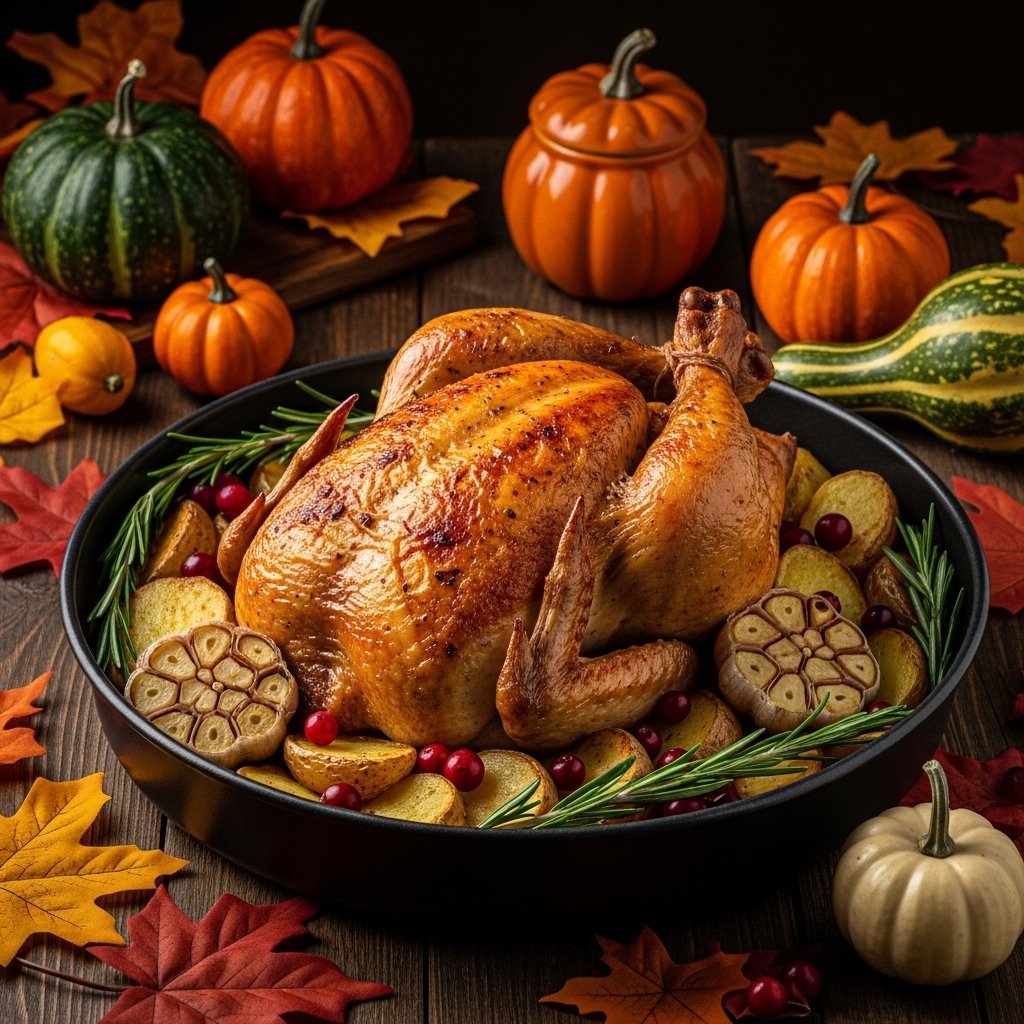
Roasting a whole turkey can be a stressful process—uneven cooking, long oven times, and the constant worry of dry breast meat are common challenges. Spatchcocking offers a smarter, more reliable way to cook turkey, delivering crisp skin, juicy meat, and significantly shorter cooking times.
By removing the backbone and flattening the bird, you create an even cooking surface that allows heat to circulate efficiently. The result is a perfectly roasted turkey that’s easier to cook, carve, and serve.
What Is Spatchcocking?
Spatchcocking, also known as butterflying, is a technique where the backbone of the turkey is removed so the bird can be flattened before roasting.
This method transforms the way turkey cooks:
- Promotes even cooking by exposing all parts to direct heat
- Reduces cooking time by nearly half
- Prevents dry breast meat and undercooked thighs
- Fits easily on a standard sheet pan
- Simplifies carving and serving
While this technique works for all poultry, it is especially effective for turkey.
Why Choose a Spatchcocked Turkey?
Compared to traditional roasting, spatchcocking offers clear advantages.
- Faster cooking: Approximately 6–8 minutes per pound
- Even doneness: No more overcooked breast or underdone legs
- Crispier skin: More surface area exposed to heat
- Better use of oven space: Leaves room for side dishes
- Easier handling: Flat shape simplifies carving
This method is ideal for both beginners and experienced cooks looking for consistent results.
Tools and Ingredients You’ll Need
Essential Tools
- Sharp kitchen shears (preferred over a knife)
- Large cutting board
- Rimmed baking sheet or roasting pan
- Meat thermometer
- Paper towels
Ingredients
- Whole turkey (10–18 pounds recommended)
- Olive oil or butter
- Salt and black pepper
- Fresh herbs (sage, thyme, rosemary)
Optional Additions
- Lemon zest or citrus slices
- Garlic cloves
- Aromatic vegetables (onions, carrots, celery, fennel)
These simple ingredients allow the natural flavor of the turkey to shine.
Step-by-Step: How to Spatchcock a Turkey
1. Prepare the Turkey
Ensure the turkey is fully thawed. Remove the giblets and neck from the cavity.
Pat the turkey completely dry inside and out. Dry skin is essential for achieving crispiness.
2. Remove the Backbone
Place the turkey breast-side down on a cutting board.
Using kitchen shears, cut along one side of the backbone from tail to neck. Repeat on the other side to remove it completely.
Save the backbone for making stock or gravy.
3. Flatten the Bird
Flip the turkey breast-side up. Press firmly on the center of the breastbone until it cracks and the turkey lies flat.
For better flattening, you can lightly score the cartilage at the center.
Optional: Dry Brine for Maximum Flavor
Dry brining enhances both flavor and texture.
- Sprinkle kosher salt evenly over the turkey (about 1 tablespoon per 5 pounds)
- Place uncovered in the refrigerator for 12–24 hours
- This dries the skin and allows seasoning to penetrate deeply
While optional, this step greatly improves the final result.
Seasoning the Turkey
Before roasting, build flavor with simple seasoning.
- Rub olive oil or softened butter over the entire surface
- Season generously with salt, pepper, and herbs
- Gently loosen the skin and apply seasoning underneath
- Add citrus zest or garlic for extra depth
You can also place vegetables under the turkey to flavor the drippings.
How to Roast a Spatchcocked Turkey
1. Preheat the Oven
Set your oven to 425°F (220°C). For larger birds, you can reduce to 400°F after the first 30 minutes.
2. Arrange the Turkey
Place the flattened turkey on a rack or directly on a sheet pan. Tuck the wings under to prevent burning.
3. Roast
Cook until the internal temperature reaches 165°F (74°C) in the thickest part of the thigh.
Estimated cooking time:
- 10–12 pounds: 60–80 minutes
- 12–14 pounds: 75–90 minutes
- 15–18 pounds: 90–110 minutes
Start checking temperature early to avoid overcooking.
4. Optional Basting
Basting is not necessary, but you can baste once or twice for extra flavor.
Resting and Carving
Rest the Turkey
Let the turkey rest for 20–30 minutes after roasting. This helps retain juices and improves texture.
Carve Efficiently
- Remove legs and thighs first
- Separate wings
- Slice breast meat across the grain
The flat shape makes carving easier than a traditional whole bird.
Expert Tips for Best Results
- Use sharp kitchen shears for safer, easier cutting
- Don’t skip drying the turkey—moisture prevents crisp skin
- Roast at high heat for better browning
- Use a thermometer for accurate doneness
- Avoid overcrowding the pan for even cooking
These techniques ensure consistent, high-quality results.
Common Mistakes to Avoid
- Not drying the turkey thoroughly before roasting
- Overcooking due to relying only on time instead of temperature
- Skipping the resting period
- Using low heat, which prevents proper browning
- Forgetting to tuck the wings, leading to burning
Avoiding these mistakes makes a noticeable difference in the final dish.
Flavor Variations and Ideas
Spatchcocked turkey is easy to customize.
- Herb butter: Mix butter with garlic, herbs, and lemon zest
- Spicy rub: Add paprika, cayenne, or chili powder
- Citrus flavor: Use orange or lemon slices under the skin
- Garlic infusion: Rub with roasted garlic paste
These variations allow you to tailor the turkey to your preferences.
Why This Method Works
Spatchcocking works because it eliminates the uneven thickness of a whole bird. By flattening the turkey, all parts cook at the same rate, reducing the risk of overcooking or undercooking.
The increased surface area also allows more skin to crisp up, while the shorter cooking time helps retain moisture.
Serving Suggestions
A spatchcocked turkey pairs beautifully with traditional sides.
- Mashed potatoes and gravy
- Stuffing or dressing
- Roasted vegetables
- Cranberry sauce
Leftovers can be used in sandwiches, salads, or soups.
Spatchcocking is a simple technique that delivers impressive results—faster cooking, juicier meat, and crispier skin. Once you try it, it’s likely to become your go-to method for holiday turkey.
FAQs
What does spatchcocking a turkey do?
Spatchcocking removes the backbone and flattens the bird, making for more uniform cooking. It not only speeds up the roasting time by 30-50%, it also crisps skin directly over flames while ensuring that every last bit of meat stays juicy. None of the above requires anything more than good kitchen shears, great news to home cooks everywhere
How long to roast spatchcocked turkey per pound?
Twenty minutes per pound at 375°F following the initial 425°F crisp. The result: a 14-pound bird will in 75-90 minutes have hit an internal thigh temp of 165°F. Use a thermometer each time; every oven and bird is different
Can you spatchcock and roast a frozen turkey?
Thaw fully first in fridge (24 hours per 5 pounds). A partial freeze means you can’t butterfly and risks variable cooking. Pat dry post-thawing for best skin.
Is spatchcocked turkey safe if breast reads 160°F?
Breast temp will reach 165°F during rest, under USDA guidelines. All juice should be clear then. The real critical zone is with thighs—they gotta hit 165°F now.
What’s the best way to get crispy skin on spatchcock turkey?
Sort broccoli slaw, 24 hours uncovered before roasting, start at 425°F 30 minutes, oil-and salt rub, and avoid early foil. Lift up on rack for more air exposure.
Can I make gravy from spatchcocked turkey drippings?
Sure—strain pan liquids, then cook with broth and thickener. No neck? Use stock from the backbone. The fat alone will render a strong taste.