
How to Make Perfect Hard-Boiled Eggs: Easy Step-by-Step Guide
How to Make Perfect Hard-Boiled Eggs: Easy Step-by-Step Guide
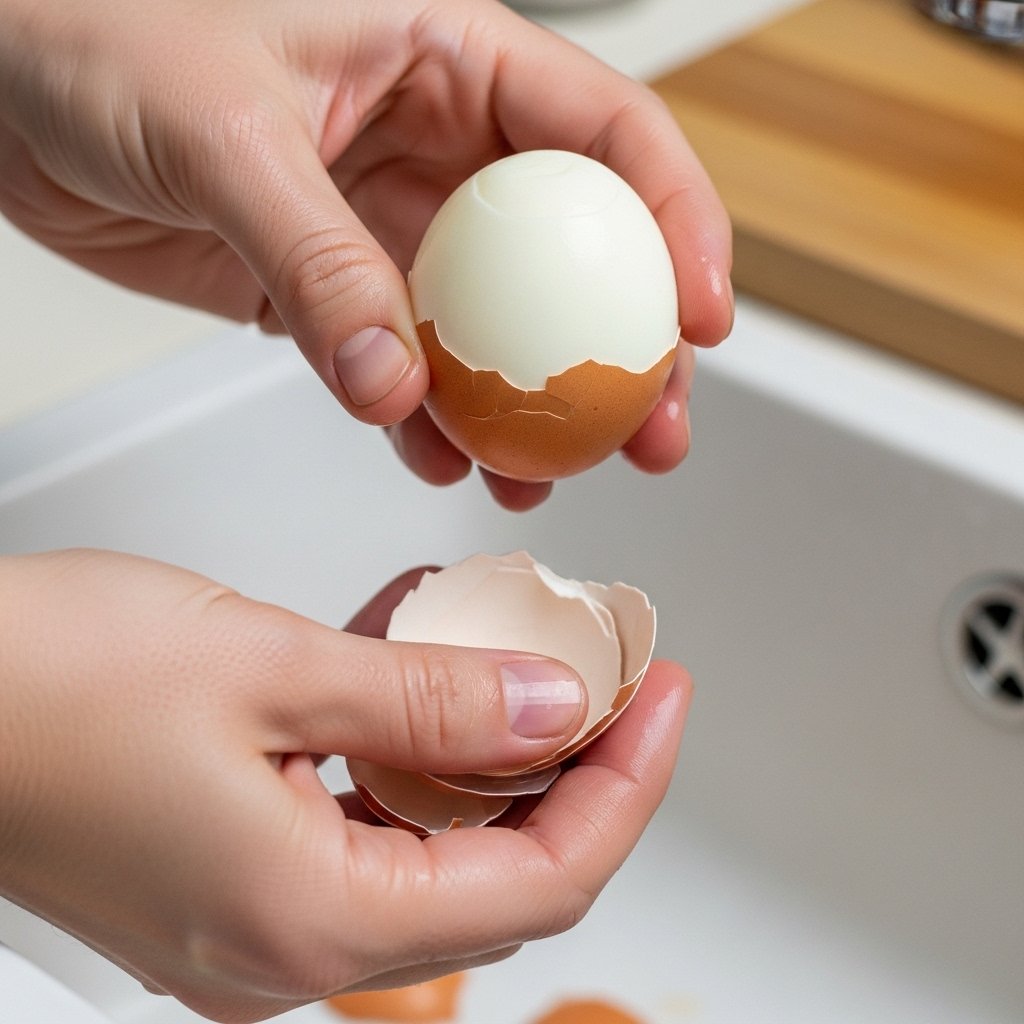
Hard-boiled eggs are one of the simplest yet most useful foods you can master in the kitchen. When done right, they have tender whites, creamy yellow yolks, and shells that peel off effortlessly.
Whether you’re meal prepping, making egg salad, or looking for a quick protein-rich snack, knowing how to make perfect hard-boiled eggs will save time and improve your cooking results. With the right technique and timing, you can avoid common problems like rubbery whites, green yolks, or stubborn shells.
Why Hard-Boiled Eggs Are a Kitchen Staple
Hard-boiled eggs are popular for their convenience, nutrition, and versatility.
- High in protein and essential nutrients
- Low in calories, making them a healthy snack
- Easy to prepare in large batches
- Versatile for salads, sandwiches, and snacks
- Great for meal prep and quick meals
They’re one of the most practical ingredients to keep on hand.
Ingredients and Tools You’ll Need
Ingredients
- Large eggs (slightly older eggs peel more easily)
- Cold water
- Ice cubes or ice water
Optional
- 1 teaspoon salt or vinegar (may help with peeling)
Tools
- Saucepan
- Lid
- Slotted spoon
- Bowl for ice bath
Simple tools and ingredients make this method accessible for anyone.
Step-by-Step: How to Make Hard-Boiled Eggs
1. Place Eggs in a Pot
Arrange the eggs in a single layer at the bottom of a saucepan. Avoid overcrowding to prevent cracking.
2. Add Cold Water
Fill the pot with cold water until the eggs are covered by about 1–2 inches.
3. Bring to a Boil
Place the pot over medium-high heat and bring the water to a full rolling boil.
4. Turn Off Heat and Cover
Once boiling, immediately remove the pot from heat and cover it with a lid.
5. Let Eggs Sit
Allow the eggs to sit in the hot water according to your desired doneness:
- Soft-boiled: 4–6 minutes
- Medium-boiled: 7–9 minutes
- Hard-boiled: 10–12 minutes
6. Prepare an Ice Bath
While the eggs are sitting, fill a bowl with ice and cold water.
7. Cool the Eggs
Transfer the eggs to the ice bath immediately after the timer ends. Let them cool for at least 5 minutes.
8. Peel and Serve
Tap the eggs gently, roll to crack the shell, and peel under running water for best results.
Boiled Egg Timing Guide
- Soft-boiled: Runny yolk, set whites (4–6 minutes)
- Medium-boiled: Jammy yolk, tender whites (7–9 minutes)
- Hard-boiled: Fully set yolk and whites (10–12 minutes)
Timing is the key factor in achieving the perfect texture.
Expert Tips for Perfect Hard-Boiled Eggs
Small adjustments can make a big difference.
- Use slightly older eggs for easier peeling
- Start with cold water to prevent cracking
- Avoid overcrowding the pot
- Transfer eggs immediately to an ice bath
- Peel under running water for smoother results
These simple techniques ensure consistent success.
How to Avoid Common Problems
Green or Gray Yolk
This happens when eggs are overcooked. Stick to proper timing and cool immediately.
Rubbery Whites
Caused by excessive heat or overcooking. Use the hot water resting method instead of prolonged boiling.
Difficult Peeling
Use older eggs and always cool them in ice water before peeling.
Cracked Eggs
Avoid dropping eggs into boiling water and handle them gently.
Easy Peeling Methods
Peeling can be the most frustrating part, but these methods help.
- Ice bath method: Rapid cooling loosens the shell
- Rolling method: Crack and roll the egg to loosen the shell evenly
- Peeling under water: Helps separate shell from egg
- Shake method: Shake gently in a jar with water to loosen the shell
These techniques reduce peeling frustration significantly.
Creative Ways to Use Hard-Boiled Eggs
Hard-boiled eggs can be used in many dishes.
- Slice into salads for added protein
- Make classic deviled eggs
- Prepare egg salad for sandwiches
- Add to grain bowls or noodle dishes
- Top avocado toast with sliced eggs
- Enjoy with salt and pepper as a simple snack
They’re a versatile ingredient for both simple and elaborate meals.
Nutritional Benefits of Hard-Boiled Eggs
Hard-boiled eggs are nutrient-dense and satisfying.
- Rich in high-quality protein
- Contain healthy fats for sustained energy
- Provide vitamins like B12 and riboflavin
- Include essential minerals such as selenium
They’re an excellent addition to a balanced diet.
Storage and Shelf Life
Refrigeration
Store unpeeled hard-boiled eggs in the refrigerator for up to 1 week.
Peeled Eggs
Keep peeled eggs in a sealed container with a damp paper towel and use within 3 days.
Freezing
Freezing is not recommended, as it affects texture and quality.
Proper storage helps maintain freshness and taste.
Pro Tips for Better Results
- Add a pinch of baking soda or vinegar to improve peeling
- Let eggs come closer to room temperature before cooking to reduce cracking
- Cook in batches for consistent results
- Label stored eggs with the date for freshness tracking
These small habits can improve your overall results.
Meal Prep Ideas
Hard-boiled eggs are perfect for planning ahead.
- Boil a dozen eggs at once for the week
- Use them for quick breakfasts or snacks
- Add to lunchboxes or salads
- Keep them ready for last-minute meals
They’re one of the easiest meal prep ingredients.
Why This Method Works
This method works because it uses residual heat instead of continuous boiling. The eggs cook gently in hot water, which prevents overcooking and keeps the texture tender.
The ice bath stops the cooking process instantly, preserving the yolk’s bright color and making peeling easier. and golden — no gray rings in sight. My family ate them out of hand and in salads all week long.
Frequently Asked Questions
1. How long should I boil eggs for hard-boiled?
Allow to sit in hot water for 9–12 minutes, depending on how you like the yolk.
2. Why do my eggs have a green ring?
That’s a sign of overcooking; an ice bath can help prevent it.
3. How can I peel hard-boiled eggs easily?
For the best results, cool eggs in an ice bath and peel under running water.
4. Can I make hard-boiled eggs ahead of time?
Yes, you can store unpeeled eggs in the fridge for up to five days.
5. Do I need to add vinegar or salt?
Optional— use of vinegar or salt to prevent cracking and make it easy for you to peel.