
How to Harvest, Cure, and Store Butternut Squash
How to Harvest, Cure, and Store Butternut Squash
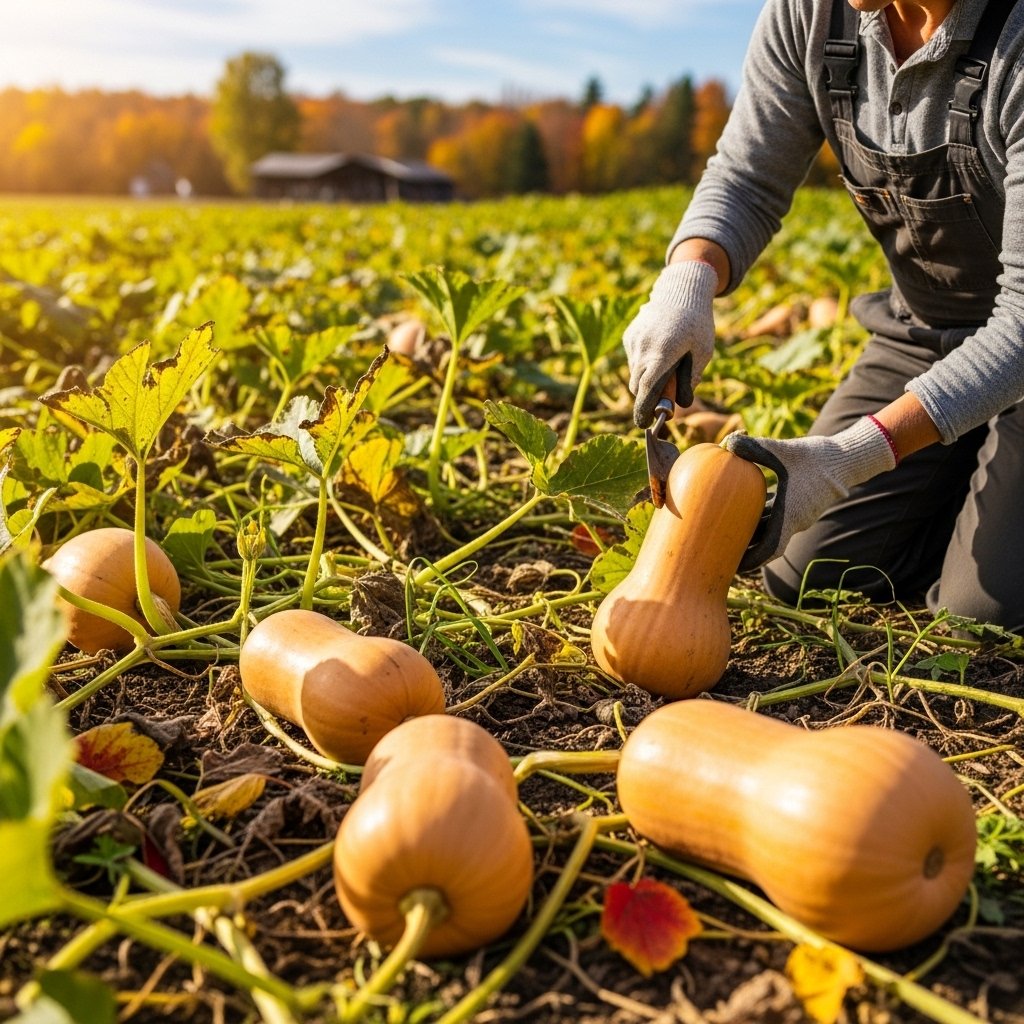
Butternut squash is one of those crops you really want to get right. Harvest too early and the flesh is watery and bland; harvest too late and you risk frost damage, rot, and poor storage. The trick is that the “right moment” isn’t a single date on the calendar—it’s a combination of color, skin hardness, stem condition, and weather. Once you know what to look for on the vine, you can pick confidently and enjoy rich, sweet squash all winter.
This guide walks you through exactly when to harvest butternut squash, how to test for ripeness, what to do when frost is coming, and how to cure and store your crop so it lasts for months.
How Long Does Butternut Squash Take to Mature?
Most butternut varieties take about 80–120 days from sowing to harvest, depending on the cultivar and growing conditions.
- Common types like ‘Waltham’ are usually around 100–110 days to maturity.
- Smaller, early types (such as “Honeypatch”-style minis) can be ready a bit sooner; large fruits or cool summers may push maturity later.
Use days to maturity as a rough guide only. Weather, sun, and soil can speed up or delay ripening, so always confirm with visual and tactile signs before you cut.
7 Clear Signs Your Butternut Squash Is Ready to Harvest
1. Uniform Tan Color (No Green Patches)
The first and most obvious signal is skin color.
- Immature butternut squash are pale green with darker green streaks or mottling.
- As they ripen, the skin turns a solid, matte tan or beige, with green streaks fading or disappearing entirely.
If you still see clear green patches or stripes, the squash likely needs more time on the vine—unless frost is imminent (more on that below).
2. Hard, Tough Rind (Fingernail Test)
A ripe butternut should have a hard rind that’s difficult or impossible to puncture with your fingernail.
- Press firmly with a fingernail:
- If it easily pierces the skin or leaves a groove, the squash is still immature.
- If the rind feels very firm and your nail barely marks it (or not at all), it’s likely ready.
This hard skin is what allows winter squash to store for months without shriveling or rotting.
3. Stem Turning Brown, “Corky,” and Dry
The stem tells you how connected the squash still is to the vine.
- On immature fruits, stems are green and pliable.
- On harvest‑ready fruits, stems are woody, brownish, and starting to look corky or shriveled.
A drying stem indicates that the fruit has stopped actively growing and is finishing ripening.
4. Full Size for the Variety
Check the seed packet or variety description for expected size and shape. Most standard butternuts reach around 8–12 inches long when mature, with a well‑filled “neck” and bulb.
If your fruit is noticeably smaller than expected and still green, it likely needs more time. If size is right and the color and rind tests also fit, it’s ready to pick.
5. Leaves Yellowing and Vines Beginning to Die Back
As the season winds down, vines naturally start to decline.
- When the majority of the plant’s leaves have yellowed or died back and most fruits are tan and hard, it’s usually time to harvest.
- Many growers aim to harvest in late September or October, before a hard frost and prolonged wet weather.
6. Timing Relative to Frost
Frost is non‑negotiable: you must harvest butternut squash before a hard frost hits.
- Light frost can scar or damage the skin; hard frost can ruin fruits and dramatically shorten storage life.
- If a hard frost is forecast, harvest all squash that are tan or nearly tan—even if a few green streaks remain.
You can finish ripening and curing these fruits indoors (details below), which is far better than losing them in the field.
7. Rough Calendar Check: Late Summer to Fall
In most temperate climates, butternut squash planted after the last spring frost will be ready from late summer through fall.
- Many gardeners harvest from September onward, with the bulk of harvest before first frost and before extended cold, wet spells.
If it’s late in the season and your fruits have the right color and hardness, err on the side of harvesting slightly late rather than early—winter squash store better and taste better when fully mature.
How to Harvest Butternut Squash Without Damaging It
Once you’ve decided your squash is ready, harvest carefully—how you cut and handle it directly affects storage life.
- Use clean, sharp pruners or a knife; don’t twist or yank fruits off the vines.
- Cut the stem leaving about 2.5–7.5 cm (1–3 inches) of stem attached; avoid cutting flush against the fruit.
- Handle fruits gently: don’t drop them or toss into buckets—bruises become rot points in storage.
- If the stem snaps off and leaves a wound, use those fruits first; they won’t store as long.
Always harvest before vines turn to mush from frost or long periods of cold, wet weather.
How to Cure Butternut Squash for Better Flavor and Storage
Freshly harvested butternut is technically edible right away, but curing dramatically improves flavor and storability.
What Curing Does
- Hardens and dries the skin (rind), sealing small scratches and wounds.
- Allows starches in the flesh to convert to sugars, deepening sweetness.
How to Cure
You have two main options, depending on your climate:
In the field (if weather cooperates):
- Leave cut squash lying in the garden, on dry ground or on boards, for 5–7 days in warm, dry, frost‑free weather.
Indoors (safer in cool or wet climates):
- Bring squash into a warm, dry, well‑ventilated place (around 24–29 °C / 75–85 °F is ideal).
- Arrange them in a single layer, not touching, on racks or shelves.
- Cure for 7–14 days until the skin is fully hardened and stems are dry.
Avoid piling squash during curing; good airflow is essential to prevent mold.
How to Store Butternut Squash (So It Lasts for Months)
Properly cured butternut squash can store for 3–6 months or more under the right conditions.
Ideal storage conditions:
- Temperature: cool but not freezing—around 10–15 °C (50–59 °F).
- Humidity: moderate (not bone‑dry, not damp); good airflow to prevent mold.
- Light: dark or low light; store away from direct sun.
Storage tips:
- Keep fruits in a single layer on shelves, crates, or racks; avoid stacking.
- Don’t store them directly on concrete; use cardboard or wood underneath.
- Check monthly and remove any squash showing soft spots or mold.
Under ideal conditions, butternut harvested in early fall can still be delicious into late winter or early spring.
What If You Had to Harvest Early?
If frost, disease, or pests force you to pick slightly underripe squash (still showing some green), all is not lost.
- Bring them indoors and wash off dirt; dry thoroughly.
- Cure them as described above in a warm, dry place.
- Expect somewhat shorter storage life and slightly less sweet flavor, but most will still be perfectly usable in soups, curries, and roasts.
Green, tiny, very immature fruits generally won’t cure well; treat those as summer squash—peel, cube, and cook them fresh rather than trying to store.
FAQ Section
1. Can butternut squash ripen off the vine?
Yes—if fruits are close to mature (mostly tan, nearly full‑size), they’ll continue to cure and sweeten off the vine in a warm, dry place, especially if harvested just before frost; very green, immature squash will not ripen well.
2. Is it better to harvest butternut squash early or late?
Within reason, later is better: fully mature squash harvested with a hard rind and dry stem has better flavor and longer storage; just be sure to pick before hard frost or prolonged wet, cold weather.
3. Can I eat butternut squash with some green on the skin?
If the squash is mostly tan with a bit of green striping and passes the fingernail test, it’s fine to cure and eat; flavor may be slightly less sweet, but it’s still good, especially when roasted.
4. How do I know if I waited too long to harvest?
Signs of over‑maturity or damage include cracked or shriveled stems, soft spots on the rind, sunken areas, or decay at the blossom end; these fruits won’t store long and should be used promptly.
5. How long will cured butternut squash keep?
When harvested at full maturity, cured properly, and stored in a cool, dry, well‑ventilated space, butternut squash typically keeps 3–6 months, and sometimes up to 6+ months in excellent conditions.