
Why Tomato Plants Aren’t Flowering: 10 Fixes for More Blooms This Season
Why Tomato Plants Aren’t Flowering: 10 Fixes for More Blooms This Season
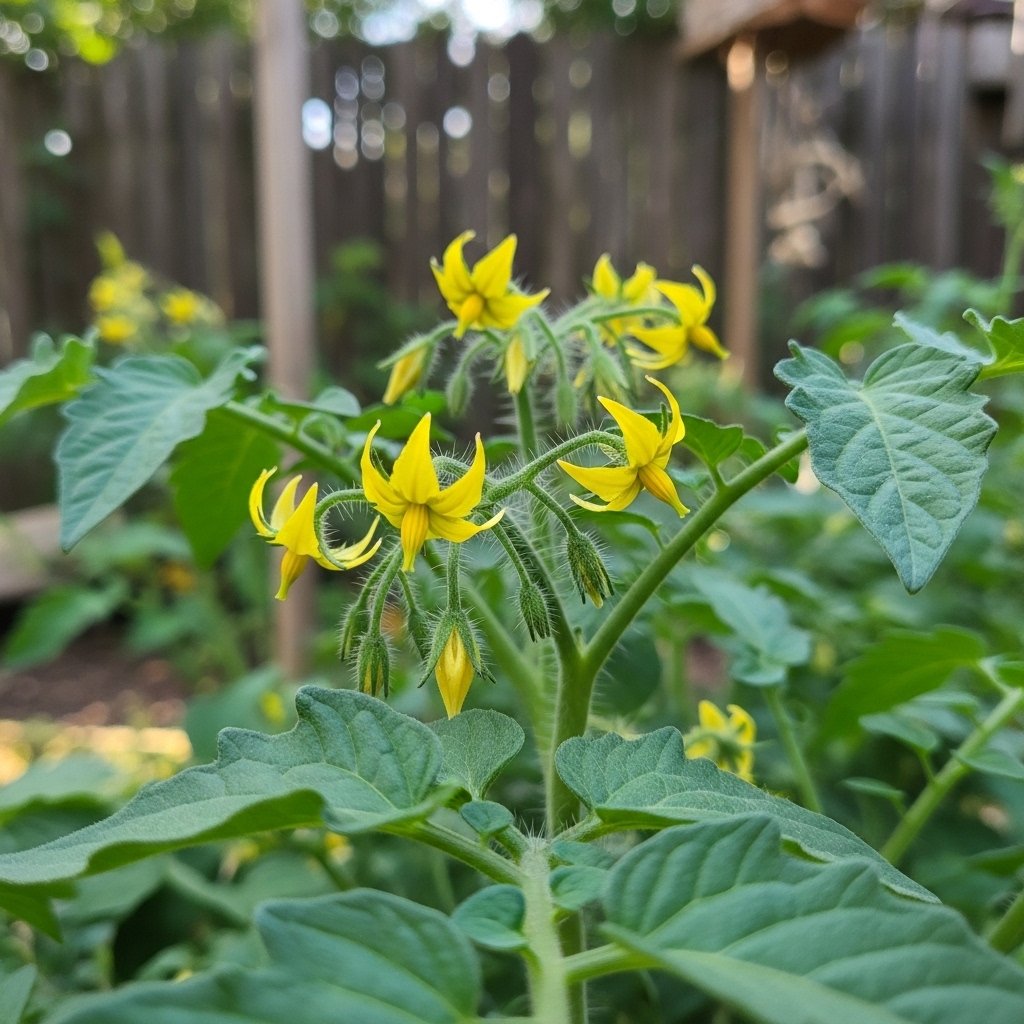
A tomato plant that looks lush and green but refuses to flower is one of the most frustrating garden problems. You’ve done the work, the vines are climbing, foliage looks great—and yet there isn’t a single yellow blossom in sight. The good news is that tomatoes are very predictable: when they don’t flower, it’s almost always because one (or more) of a few key growing conditions isn’t right. Fix those, and flowers usually follow within a couple of weeks.
This guide walks you through the most common reasons tomatoes don’t flower, how to diagnose what’s happening in your garden, and the practical steps to get your plants blooming again.
1. Temperatures Outside the “Flowering Zone”
Tomatoes are remarkably sensitive to temperature. They flower and set best when conditions are mild—not too cold and not too hot.
- Ideal daytime temperatures for flowering: roughly 21–29 °C (70–85 °F).
- Ideal nighttime temperatures: roughly 13–21 °C (55–70 °F).
If it’s consistently too cold (especially nights below about 10–13 °C / 50–55 °F), plants may delay flowering and focus on vegetative growth until conditions improve. On the other extreme, heat waves with daytime highs over 32 °C (90 °F) and warm, humid nights above 21–24 °C (70–75 °F) can cause plants to abort buds, drop existing flowers, or simply stop producing new buds to conserve energy.
What to do:
- Use shade cloth during extreme heat to reduce canopy temperatures by up to 5–10 °F (3–6 °C).
- Mulch around plants to moderate soil temperatures and retain moisture.
- Avoid setting out seedlings too early in cold climates; wait until nights reliably stay above 10–13 °C (50–55 °F).
Once temperatures return to that 21–29 °C range, plants often begin flowering on their own.
2. Not Enough Sunlight
Tomatoes are true sun lovers and simply won’t flower well in shade.
They need:
- At least 6–8 hours of direct sun per day; 8+ hours is ideal for strong flowering and fruiting.
In partial shade or behind taller plants or structures, tomatoes often grow tall and leafy as they stretch toward light, but form few or no flower trusses.
Fix:
- Move container plants to the sunniest possible location.
- For in‑ground beds, prune or relocate shading plants, or choose a different, more open site next season.
- In very hot regions, aim for full morning sun and some light afternoon shade rather than deep shade overall.
If light was the limiting factor, you’ll usually see new flower clusters within a couple of weeks after improving exposure.
3. Too Much Nitrogen (Lush Leaves, No Flowers)
If your tomatoes are big, bushy, deep green, and vigorous—but have no flowers—excess nitrogen is a prime suspect.
Nitrogen fuels leafy growth. When there’s too much relative to phosphorus and potassium, plants prioritize stems and foliage at the expense of reproductive growth (flowers and fruit). This often happens when:
- You use lawn fertilizer or high‑nitrogen feeds near tomatoes.
- You regularly apply manure or rich compost without balancing nutrients.
What to do:
- Stop all high‑nitrogen fertilizing immediately.
- Switch, if needed, to a balanced or slightly phosphorus‑leaning fertilizer (for example, a lower first number and higher middle number on the N‑P‑K label).
- Water deeply to help leach excess nitrogen through the soil (important for containers and raised beds).
Over time, extra nitrogen will dilute and plants usually rebalance, starting to produce flower trusses once growth slows.
4. Poor or Imbalanced Nutrition
On the flip side, very poor soil or imbalances can also prevent flowering.
Tomatoes need:
- Sufficient phosphorus and potassium for strong bloom and fruit set.
- Adequate calcium, magnesium, and micronutrients for overall plant health.
In nutrient‑poor soils, tomatoes may stay small, pale, and slow, never reaching the energy threshold to begin reproductive growth.
Fix:
- Do a soil test if possible to see what’s missing.
- Add compost or well‑rotted organic matter to increase overall fertility and organic content.
- Use a balanced tomato fertilizer according to label directions; avoid “more is better”—overfeeding causes its own problems.
With improved nutrition, expect plants to bulk up slightly first, then start forming flower clusters.
5. Water Stress: Too Dry or Too Wet
Tomatoes need consistent moisture. Both drought and waterlogging stress plants and can delay flowering.
- Too little water: plants focus on survival, not reproduction; growth slows and flowering is delayed or halted.
- Too much water: roots suffocate, plants become weak or diseased, and have neither the energy nor health to bloom.
Tomatoes typically need about 2.5–5 cm (1–2 inches) of water per week, more in very hot, dry weather, delivered as deep, infrequent soakings rather than light daily sprinkles.
Fix:
- Water deeply once or twice a week, soaking the root zone, and mulch to keep soil evenly moist.
- Avoid letting plants wilt badly between waterings and avoid constantly soggy soil.
- Drip irrigation or a soaker hose is ideal for steady moisture and disease prevention.
Within a few weeks of consistent watering, plants under mild stress often resume flowering.
6. Plants Are Too Young or Over‑Pruned
Sometimes, tomatoes just need more time—or they’re being pruned too aggressively.
- Indeterminate (vining) tomatoes generally start flowering once they reach a certain maturity and node count; if you planted late or started from seed, they may simply not be there yet.
- Over‑pruning can remove the very shoots where flowers form, especially if you remove all suckers on already small plants or prune before you see flower clusters.
Fix:
- Be patient with younger plants; focus on strong roots, good light, and consistent care.
- When pruning indeterminates, remove only some suckers and wait until at least a few flower trusses have formed before doing heavier pruning.
Determinate (bush) varieties generally need little or no pruning; removing too much foliage can reduce flowering and yield.
7. Wrong Variety for Your Climate or Season
Some tomato varieties are very sensitive to heat or cold; others are better adapted.
- In very hot areas, heat‑sensitive varieties may flower poorly or abort buds when temperatures stay high.
- In short, cool seasons, long‑season or large‑fruited heirlooms may not reach flowering and fruiting before fall if started late.
Fix:
- Choose region‑appropriate varieties (often labeled “heat set,” “heat tolerant,” or “early” for short seasons).
- In hot climates, plant earlier in spring or later for fall crops so flowering falls in milder weather.
If an existing plant truly can’t get what it needs in your climate window, treat it as a learning experience and adjust variety or planting dates next year.
8. Disease or Pest Pressure
Stressed plants bloom poorly.
Diseases (like blight, wilt, or viral infections) and pests (aphids, whiteflies, spider mites, etc.) can sap energy, distort growth, and interfere with flower development. Common signs include:
- Yellowing, spotted, or curling leaves.
- Stems with lesions or dark streaks.
- Visible pests on foliage or sticky honeydew.
Fix:
- Identify the specific disease or pest using local extension resources or reliable guides.
- Remove badly affected leaves, improve air circulation, and avoid overhead watering.
- Use appropriate organic or conventional controls if necessary (e.g., copper or biofungicides for some diseases, insecticidal soap or biologicals for pests).
Once the plant’s health stabilizes, it may resume flowering if the growing season is still long enough.
9. Blossoms Form But Still No Tomatoes?
Sometimes the problem isn’t lack of flowers; it’s that flowers don’t turn into fruit (blossom drop). While that’s technically a separate issue, it’s closely related and often confused with “not flowering.”
Common causes:
- Temperature extremes during bloom.
- Poor pollination (few bees, still indoor air in greenhouses).
- Drought or inconsistent watering at flowering.
Fix:
- Gently tap or shake flower clusters or use an electric toothbrush against stems to vibrate flowers and improve self‑pollination, especially in still air or greenhouses.
- Address temperature and moisture as above; most blossom drop corrects once conditions normalize.
Quick Diagnosis Table: Why Tomatoes Aren’t Flowering
| Symptom | Likely Cause | First Fix Step |
|---|---|---|
| Tall, leafy, no flowers | Excess nitrogen, low light | Stop high‑N feed, increase sun |
| Healthy plant, hot days & warm nights | Heat stress | Add shade cloth, improve watering & mulch |
| Slow, small, pale plants | Poor nutrition or cool temps | Add compost/balanced fertilizer, ensure warmth |
| Green, vigorous, in shade | Not enough sun | Move or open canopy for 6–8+ hrs direct light |
| Flowers appear then drop, no fruit | Temperature or pollination problems | Improve conditions, hand‑pollinate, steady moisture |
| Container plant, roots filling pot | Rootbound | Transplant to larger container with fresh mix |
FAQ Section
1. How long does it normally take for tomatoes to start flowering?
Most tomato plants begin flowering 5–7 weeks after transplanting, assuming they have full sun, adequate nutrition, consistent moisture, and suitable temperatures; seed‑sown plants outdoors may take longer depending on conditions.
2. My tomatoes are huge and green but have no flowers—what’s the first thing to change?
If foliage is lush and dark green, excess nitrogen and/or low light are likely; stop high‑nitrogen fertilizing, give at least 6–8 hours of direct sunlight, and water deeply but less often to encourage balanced growth and flowering.
3. Can pruning help tomatoes flower?
Light, careful pruning of indeterminate varieties (removing some suckers and lower leaves) can improve airflow and direct energy toward flowers, but heavy early pruning can remove potential flowering shoots and delay blooming.
4. Do container tomatoes have different flowering needs?
The principles are the same, but pots dry out and deplete nutrients faster; ensure large enough containers, consistent deep watering, regular feeding with a balanced tomato fertilizer, and at least 6–8 hours of sun.
5. Will tomato plants that didn’t flower this year come back next year?
Tomatoes are typically grown as annuals; even if stems survive mild winters, productivity and disease pressure usually make it better to start fresh plants next season and optimize conditions so they flower on schedule