
13 Common Jade Plant Problems: Fixes for Indoor Crassula Ovata
13 Common Jade Plant Problems: Fixes for Indoor Crassula Ovata
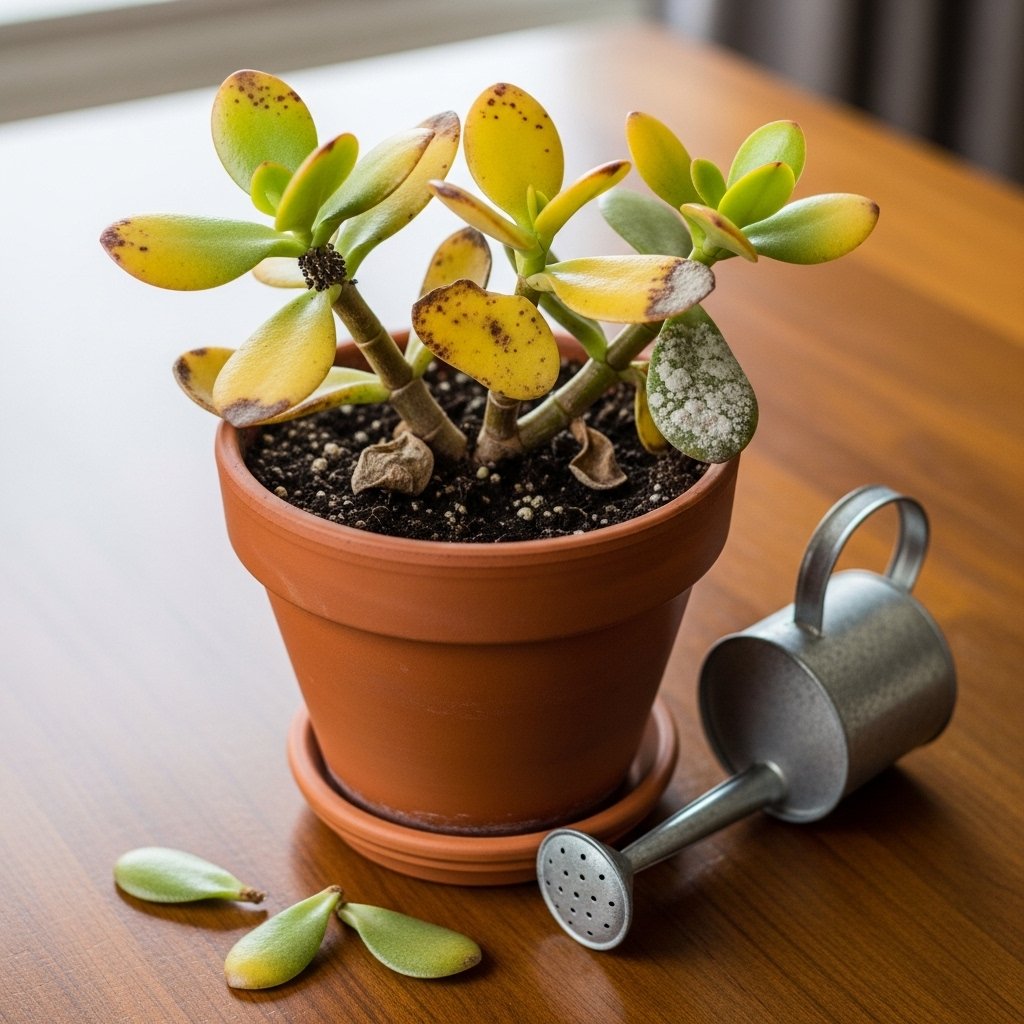
A mature jade plant that’s plump, glossy, and branching like a miniature tree looks almost indestructible. That toughness is part of the appeal—but it also tricks many people into thinking they can water “whenever” and park it in any spare corner. The result? Yellowing leaves, mushy stems, white spots, and sudden leaf drop that make a once-proud jade look tired and half‑dead.
The truth is that jade problems almost always come back to a handful of issues: water, light, temperature, soil, and pests. Once you know what each symptom is really telling you, you can usually save the plant and prevent the same issue from coming back. This guide will walk you through a practical, symptom‑first approach—what to look for, what it means, and exactly how to fix it.
What a Healthy Jade Plant Should Look Like
Before diagnosing problems, it helps to know your target. A healthy jade (Crassula ovata):
- Has firm, plump, glossy leaves that are evenly green, sometimes with a reddish edge in strong light.
- Holds its branches upright, with stems that feel solid rather than soft or brittle.
- Grows slowly but steadily, adding new leaves and occasional branches during the warm, bright months.
- Drops older leaves occasionally from the lower part of the plant—but not in large, sudden batches.
Anything that deviates from this—shriveling, mushiness, blotches, sudden leaf loss—is your cue to investigate.
Problem 1: Yellow, Soft, or Mushy Leaves
Yellowing, soft, or translucent leaves are the classic sign of overwatering, and they’re the number one jade plant killer.
How to Recognize Overwatering
- Leaves feel soft or squishy when gently squeezed, rather than firm.
- Lower leaves yellow and drop off easily while upper ones may still look green.
- Soil stays damp for more than 7–10 days after watering.
- Stems near the soil line may look darker, mushy, or slightly translucent.
In advanced cases, roots begin to rot and the whole plant can collapse.
Immediate Fix
- Stop watering and let the top half of the soil dry out while you assess severity.
- If stems are already mushy or there’s a sour smell from the pot, unpot the plant and inspect roots.
- Trim off all black, brown, or slimy roots and any mushy stem tissue using sterilized scissors or pruners.
- Let the plant (or healthy cuttings) air‑dry for 1–3 days so cut areas callus.
- Repot into fresh, dry, well‑draining succulent mix in a pot with drainage holes, then wait about a week before lightly watering.
Going forward, only water when the top 3–5 cm of soil are dry and the pot feels noticeably lighter.
Problem 2: Wrinkled, Shriveled, or Droopy Leaves
Wrinkled or shriveled leaves usually mean the plant is thirsty—but there’s a catch: they can also appear on roots damaged by chronic overwatering.
Classic Underwatering Signs
- Leaves look deflated, with deep wrinkles or a leathery texture.
- The soil is bone dry and pulls away from the sides of the pot.
- Stems may feel a bit limp or lighter than usual.
Fix for True Underwatering
- Give a deep watering until water drains from the bottom, then discard excess from the saucer.
- For very dry, compacted soil that repels water, soak the pot in a basin of water for 10–15 minutes, then let it drain thoroughly.
- Resume a schedule where you water thoroughly, then allow the soil to dry almost completely before watering again.
If wrinkling persists even in moist soil, suspect past root damage—unpot and check for rot, treating it like an overwatering case.
Problem 3: Leaves Dropping Suddenly
Losing a few older leaves from the bottom is normal; losing handfuls across the plant is not.
Common Causes
- Sharp changes in watering (from very dry to saturated, or vice versa).
- Sudden temperature swings, cold drafts, or hot air blasts.
- Big shifts in light—like moving from a bright window to a dark corner or outdoors full sun overnight.
Fix
- Stabilize routines: water consistently only when soil has dried, avoid moving the plant frequently, and keep it away from drafty windows or heaters.
- If leaf drop coincides with mushy or yellow leaves, treat for overwatering; if it follows a bright, hot spell with scorched patches, treat for sunburn and light stress.
Once stress is removed, new growth should resume from healthy stems over the next few months.
Problem 4: Leggy, Stretched, or Leaning Growth
A compact jade has short internodes (the spaces between leaves). When yours grows long, thin stems with wide gaps and leans toward the window, it’s telling you it needs more light.
What Causes Leggy Growth
- Insufficient light: the plant stretches toward the brightest direction (etiolation).
- One-sided light exposure, causing the plant to lean and become unbalanced.
Fix
- Move the jade to a brighter spot—ideally a south- or west-facing window with several hours of bright light.
- Rotate the pot a quarter turn every week so all sides receive even light.
- Prune leggy stems back to a node or branch point; you can root the cut tips as new plants.
The new growth that emerges under better light will be tighter and more compact.
Problem 5: White Spots on Leaves
White spots on a jade can mean several different things; diagnosis depends on appearance and texture.
1. Chalky, Hard Residue (Mineral Deposits)
- Looks like thin, whitish crusts or rings where water dried.
- Often appears after misting or splashing hard tap water.
Fix: Use filtered, distilled, or rainwater; wipe leaves gently with a damp cloth; avoid regular misting.
2. Cottony Clumps (Mealybugs)
- Soft, fluffy white clusters in leaf joints and on stems.
- Leaves may yellow, curl, or get sticky from honeydew.
Fix: Isolate the plant; dab mealybugs with cotton swabs dipped in isopropyl alcohol; repeat weekly and consider a light application of neem or horticultural oil on stubborn infestations.
3. Powdery, Dusty Coating (Powdery Mildew)
- Fine, powder-like white layer on surfaces, often in humid, stagnant air.
Fix: Improve air circulation, avoid overhead watering, remove heavily affected leaves, and apply a suitable fungicide or sulfur-based product if needed.
Problem 6: Black or Brown Spots and Mushy Stems
Dark spots are more serious than simple yellowing—they often signal fungal disease or advanced rot.
Black Spots
Common causes:
- Fungal infections thriving in damp conditions.
- Sooty mold growing on sticky honeydew from pests like scale or aphids.
- Rot spreading upward from waterlogged roots.
Fix:
- Remove affected leaves with sterilized scissors.
- Treat underlying pests with neem or horticultural oil if honeydew is present.
- If root rot is involved, trim diseased roots and repot in dry, fast‑draining soil after allowing cut surfaces to callus.
Brown Spots
Diagnosis:
- Soft brown patches with yellow halos often point to overwatering and incipient rot.
- Dry, crispy brown edges indicate underwatering or low humidity plus heat.
- Irregular, scorched brown blotches on sun‑exposed leaves often indicate sunburn.
Fix: address water balance first, then adjust light and temperature as needed.
Problem 7: Pests (Mealybugs, Scale, Aphids, Spider Mites)
Jade’s thick foliage gives pests hiding places, especially on plants kept indoors year‑round.
Typical signs:
- Sticky, shiny leaves (honeydew) and possibly sooty mold.
- Cottony white clusters (mealybugs).
- Tiny brown bumps that don’t rub off easily (scale insects).
- Fine webbing and speckled leaves (spider mites).
Safe treatment strategy for jade:
- Physically remove pests with a cotton swab dipped in rubbing alcohol or a soft cloth.
- Rinse the plant with a gentle stream of lukewarm water to dislodge remaining insects.
- Once dry, apply a light coating of neem oil or insecticidal oil, taking care not to saturate the leaf pores.
- Repeat every 7–10 days until no new pests appear.
Avoid strong, repeated applications of harsh soaps or oils; jade’s succulent leaves can be easily damaged by overuse.
Prevention: How to Keep Jade Problems from Coming Back
Most jade plant issues fall into three categories: hydration imbalance, environmental mismatch, and pest pressure. A preventive routine focuses on getting the basics right.
- Water by feel, not calendar: Let the top few centimeters of soil dry fully and verify with your finger (or a moisture meter) before watering deeply.
- Use the right soil and pot: Always choose a gritty, fast‑draining succulent mix in a pot with drainage holes; avoid decorative pots without proper exits for water.
- Give enough light: Bright, indirect light near a sunny window prevents leggy growth and supports strong, compact foliage.
- Avoid temperature extremes: Keep jades away from freezing drafts and blasts of hot, dry air; aim for stable, moderate room temperatures.
- Inspect regularly: Check leaves and stems every few weeks for spots, pests, or texture changes so you can intervene early.
Handled this way, a jade plant can easily become a decades‑long house companion rather than a revolving door of short‑lived succulents.
FAQ Section
1. How can I tell if I’m overwatering my jade plant?
Overwatering shows as soft or mushy leaves, yellowing and dropping lower leaves, dark or translucent stem bases, and soil that stays damp for more than a week; roots often look brown and slimy if inspected.
2. Why are my jade plant leaves wrinkled and shriveled?
Wrinkled, deflated leaves usually mean underwatering and depleted moisture stores, especially if the soil is very dry—though similar symptoms can appear if roots have been damaged by earlier overwatering.
3. What are the white cottony spots on my jade?
Cotton‑like white patches in leaf joints are mealybugs; treat by isolating the plant, wiping insects with alcohol‑soaked cotton swabs, and following up with light applications of neem or horticultural oil.
4. Can a jade plant recover from root rot?
Often yes, if caught early: unpot the plant, cut away all black or mushy roots and stem tissue, let the plant or cuttings callus for a few days, then replant in fresh, dry, well‑draining mix and adjust your watering habits.
5. Why is my jade plant leggy and falling over?
Leggy, leaning growth is almost always a light issue; the plant is stretching toward the brightest source. Move it to stronger light, rotate regularly, and prune back stretched stems to encourage compact, branching growth.