
How to Grow Butterfly Bushes Responsibly
How to Grow Butterfly Bushes Responsibly
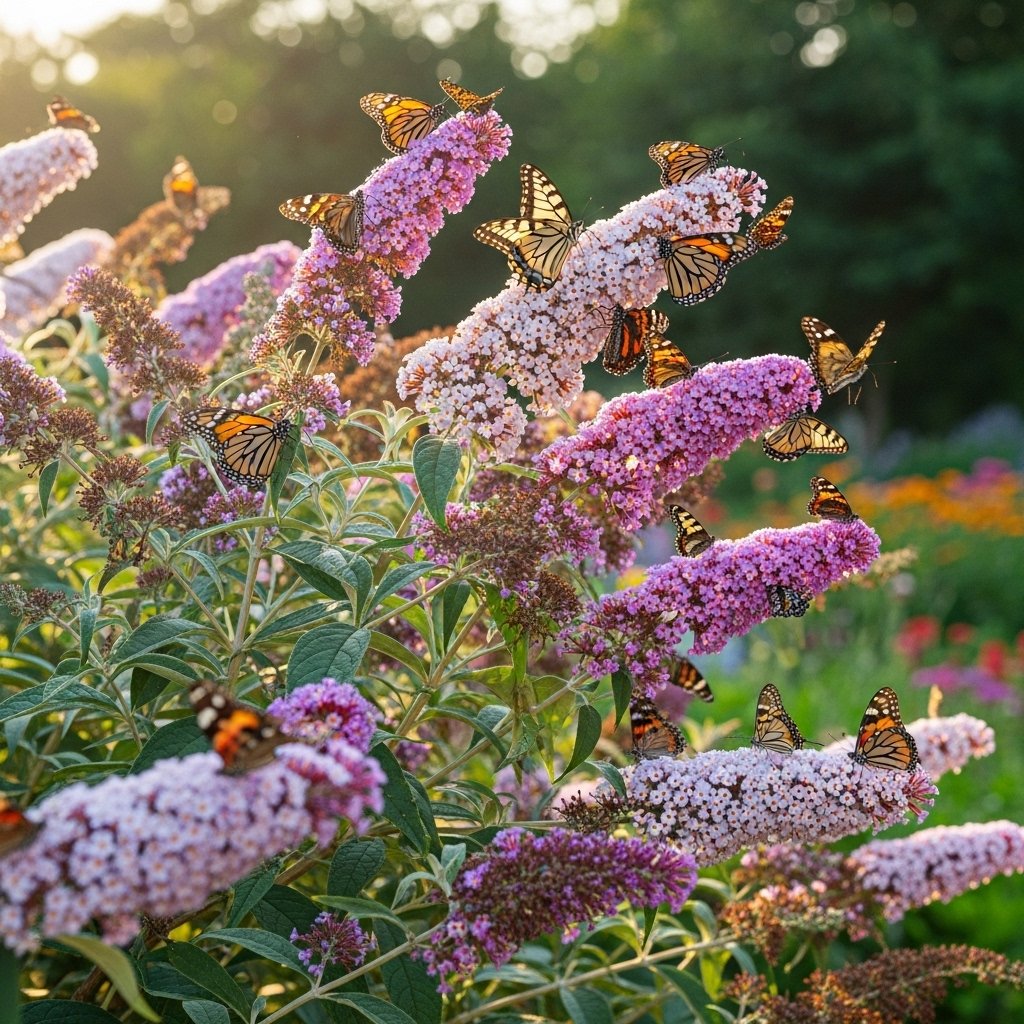
A well-grown butterfly bush is one of those plants that does more than just fill space—it becomes a living fountain of color and movement. Long, fragrant flower spikes drip with blossoms, and within days your shrub is buzzing with bees, hummingbirds, and butterflies. But while Buddleia has a reputation for being “plant it and forget it,” the difference between a leggy, half-blooming shrub and a dense, floriferous one comes down to a few smart decisions about planting, pruning, and water.
This guide covers everything you need to know about butterfly bush planting, growing, and care—from choosing the right variety and site, to pruning it hard in spring, managing water and soil, and keeping it pollinator-friendly without letting it get out of hand.
Understanding Butterfly Bush (Buddleia)
Butterfly bush (often Buddleja davidii and its hybrids) is a sun-loving, deciduous shrub known for long summer flower panicles in purple, pink, blue, white, or bi-color. Most varieties grow between 2 and 10 feet tall and wide, depending on cultivar; species types can get quite large, while newer dwarf selections stay compact for smaller gardens and containers.
These shrubs thrive in full sun and well-drained soil, are drought tolerant once established, and bloom on new wood—meaning fresh shoots each season carry the flowers. That growth habit is what makes bold, early-spring pruning so important for flower production and shape.
In some regions, older Buddleia types reseed aggressively and can be invasive; many gardeners now opt for sterile or low-seed cultivars to get the pollinator benefits without the weed problem.
Choosing the Right Site and Soil
Light: Full Sun for Best Bloom
Butterfly bush wants as much sun as you can give it.
- Aim for at least 6 hours of direct sunlight per day; more is better in cooler climates.
- In hotter regions, plants still perform best in full sun, but a touch of late-afternoon shade on very exposed sites can prevent stress in young shrubs.
Insufficient light is one of the most common reasons for poor flowering and weak, lanky growth.
Soil: Drainage Matters More Than Fertility
Butterfly bush prefers:
- Well-drained soil that retains some moisture but never stays waterlogged.
- Roughly neutral pH (around 6–7), although it will tolerate a range if drainage is good.
There are two schools of thought on amending soil:
- Some experts recommend planting directly into native soil, especially in heavy clay, to avoid creating a “bathtub” that holds water around the roots.
- Others suggest mixing compost into the planting area to boost organic matter and even out moisture and fertility.
The safest compromise is to focus on structure and drainage: loosen a wide planting area, improve severe compaction with organic matter, but avoid creating a pocket of super-soft amended soil surrounded by hard clay that collects water.
How to Plant Butterfly Bush
Ground Planting Step by Step
- Choose a sunny spot with room for the variety’s mature width—many full-sized cultivars need 5–10 feet of space.
- Dig a hole about twice as wide as the root ball and as deep, loosening the surrounding soil.
- Remove the bush from its pot and gently tease or “rough up” circling roots to encourage outward growth.
- Set the plant so the top of the root ball is level with or slightly above the surrounding soil.
- Backfill with native soil (optionally improved with some compost if your soil is very poor), firming lightly to remove air pockets.
- Water deeply to settle the soil.
- Add a 2–3 inch layer of mulch around (but not touching) the stems to conserve moisture and suppress weeds.
Avoid fall planting in colder zones (5–6): these shrubs need time to establish roots before winter; spring to mid-summer planting gives them a better chance to settle in.
Planting in Containers
Butterfly bush also adapts well to large containers, especially dwarf varieties.
- Choose a pot with ample drainage holes and fill it with a high-quality, well-draining potting mix; no rocks at the bottom are necessary.
- Plant at the same depth as in the nursery pot and water thoroughly.
- Place the container where it receives full sun.
With containers, you control drainage more easily but must pay closer attention to watering and winter protection.
Watering and Feeding
Watering Schedule
During the first growing season, butterfly bush needs consistent moisture while roots establish:
- Keep soil evenly moist but not soggy—water when the top few centimeters feel dry.
- In hot, dry spells, water deeply once or twice a week rather than sprinkling lightly every day.
Once established, butterfly bush becomes fairly drought tolerant and usually only needs supplementary watering during extended dry periods. Potted plants, however, dry out faster and require more regular checks.
Fertilizing
Butterfly bush is not a heavy feeder.
- At planting, some guides recommend no extra fertilizer, relying on native soil.
- Others suggest incorporating compost and top-dressing each spring with 2–3 inches of compost around the base.
Either way, avoid high-nitrogen fertilizers that push soft, leafy growth at the expense of flowers. A modest spring application of compost or a balanced, slow-release shrub fertilizer is plenty for most soils.
Pruning Butterfly Bush: The Critical Step
Because butterfly bush blooms on new wood, your pruning strategy directly affects flowering and plant shape.
When to Prune
- Prune in early spring, just as buds are swelling but before new growth fully emerges.
- In colder climates, wait until you can clearly see which stems survived winter; dead wood may be obvious.
Avoid heavy fall pruning; in many regions, leaving stems intact offers a bit of extra winter protection at the crown.
How Hard to Prune
Pruning intensity can vary with variety and climate, but common recommendations are:
- Cut full-sized butterfly bushes back to about 30 cm (12 inches) above ground each spring to stimulate vigorous new growth and abundant blooms.
- For dwarf or compact cultivars, you can prune less severely—removing around one-third to one-half of last year’s growth to maintain shape.
- Always remove dead, damaged, or crossing branches as you go.
Regular deadheading—snipping off spent flower spikes—encourages longer bloom and reduces self-seeding.
Managing Invasiveness and Responsible Growing
In several regions, especially parts of the U.S. Pacific Northwest and East Coast, some Buddleia davidii forms have been labeled invasive due to prolific self-seeding in wild areas. To grow butterfly bush responsibly:
- Choose modern, non-invasive or sterile cultivars where available; many breeding programs focus on low- or no-seed varieties.
- Deadhead consistently, removing seed heads before they mature, especially if you grow older, fertile types.
- Check local regulations or extension recommendations; in some areas, certain species or cultivars may be restricted.
These steps let you enjoy the pollinator benefits while minimizing ecological impact.
Overwintering and Cold-Climate Tips
Butterfly bush’s winter hardiness varies by variety and climate. Many cultivars are reliable to roughly USDA zones 5–9, but top growth may die back to the ground in colder areas.
To improve winter survival:
- Plant in spring so roots have a full growing season to establish.
- Mulch lightly around the base in late fall to buffer freeze–thaw cycles, but keep mulch off the crown to avoid rot.
- In very cold or exposed sites, consider planting in a spot with some wind protection or using snow cover as natural insulation.
Even if upper stems die back, established plants often resprout strongly from the base in spring.
Butterfly Bush in Containers and Small Gardens
For small spaces and patios, dwarf butterfly bushes offer full-sized flower power on a reduced footprint.
Container care essentials:
- Use a large pot (at least 40–50 cm wide) with drainage holes and quality potting soil.
- Water more frequently than in-ground plants, especially in hot weather—pots dry quickly.
- Feed lightly in spring with compost or a slow-release fertilizer.
- Prune just as you would in-ground plants, adjusting the cut-back height for size.
In cold climates, consider moving the pot to a sheltered, unheated area over winter or wrapping the container to protect roots from deep freezing.
Propagating Butterfly Bush
Butterfly bush propagates easily from softwood cuttings taken late spring to early summer.
Basic cutting method:
- Take 4–6 inch softwood cuttings from healthy, non-flowering shoots.
- Remove lower leaves and dip the cut end in rooting hormone.
- Insert cuttings into a sterile, well-draining rooting medium such as peat/perlite or potting soil with perlite.
- Keep the medium lightly moist (not wet) and place in bright, indirect light.
Roots form in several weeks; once cuttings are well-rooted, pot them on or harden them off for planting outdoors in appropriate conditions.
Division of mature clumps is also possible in early spring or fall for some forms, though cuttings are usually easier and more predictable.
Common Problems and How to Avoid Them
- Root rot and decline: Usually caused by poorly draining soil or overwatering; fix by improving drainage and watering deeply but infrequently.
- Lack of blooms: Often due to too little sun or insufficient pruning; move to full sun and prune in early spring to encourage new flowering wood.
- Leggy, floppy growth: Indicates not enough light or no hard spring cutback; prune more aggressively and ensure full sun.
- Self-seeding and volunteers: Deadhead regularly and consider switching to a sterile or low-seed cultivar.
Butterfly bushes are generally pest- and disease-resistant when grown in appropriate conditions, which is why they’re often recommended as low-maintenance shrubs for sunny borders.
FAQ Section
1. How much sun does a butterfly bush need?
Butterfly bushes perform best in full sun, needing at least 6 hours of direct light per day; plants in partial shade tend to bloom less and become leggy.
2. When should I prune my butterfly bush?
Prune in early spring before new growth emerges, cutting full-sized varieties back to about 30 cm (12 inches) and removing dead or damaged wood to encourage vigorous new flowering shoots.
3. Is butterfly bush invasive?
Some older Buddleia davidii types can reseed aggressively in certain regions; choose modern sterile or low-seed cultivars and deadhead spent flowers to grow butterfly bush more responsibly.
4. How often should I water a butterfly bush?
Keep soil consistently moist during the first growing season, then water established plants only during prolonged dry spells; avoid soggy conditions, which can lead to root rot.
5. Can I grow butterfly bush in a container?
Yes, especially dwarf varieties; use a large pot with drainage, a well-draining potting mix, full sun, regular watering in summer, and similar spring pruning to keep the plant compact and blooming.