
What To Do if Your Dog Ate a Chicken Bone
What To Do if Your Dog Ate a Chicken Bone
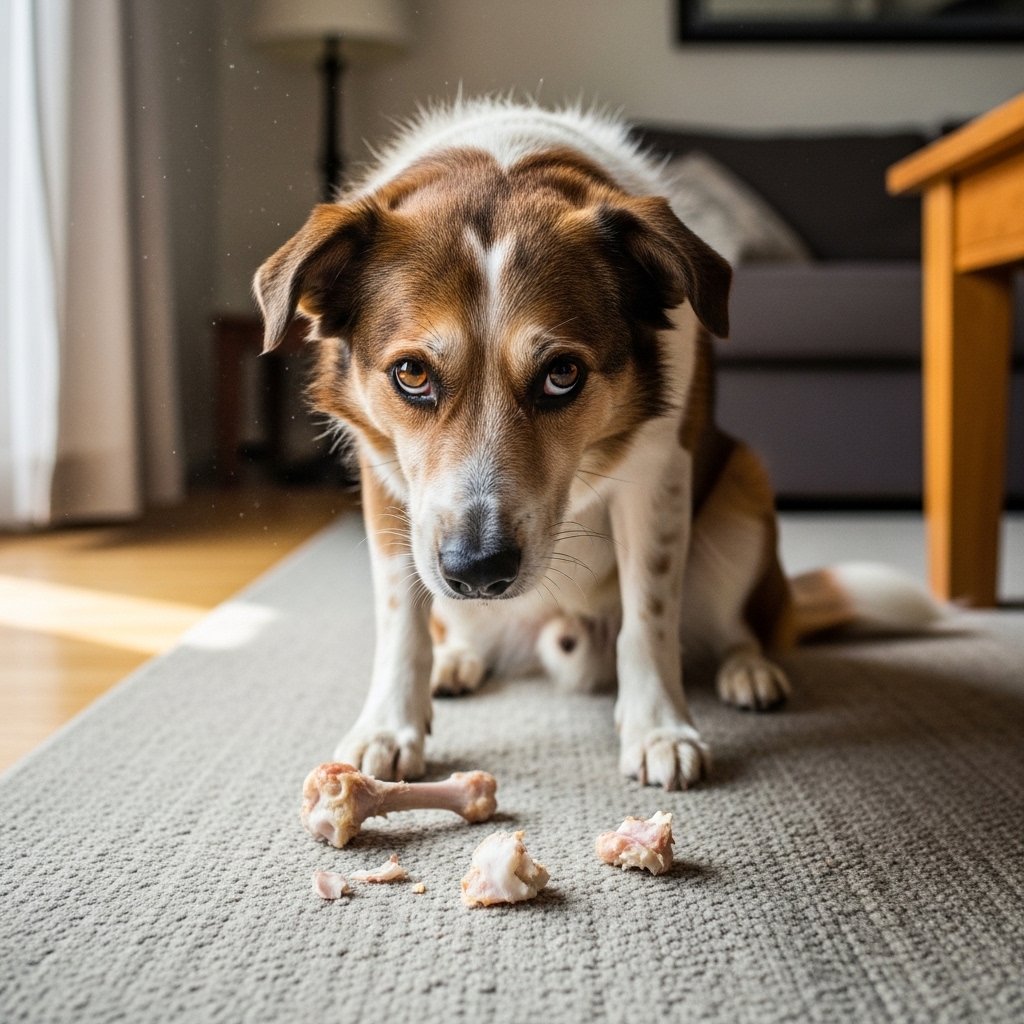
It happens fast. One moment there’s a leftover chicken wing on the plate, and the next, your dog has swallowed it. If your dog ate a chicken bone, don’t panic—but don’t ignore it either.
Chicken bones, especially cooked ones, can be dangerous for dogs. While some dogs pass them without issues, others can develop serious complications like choking, internal injuries, or blockages. Acting quickly and knowing what to watch for can make all the difference.
Why Chicken Bones Are Dangerous for Dogs
It might seem natural to give dogs bones, but chicken bones are a different story. They pose multiple risks due to their size, texture, and how they break apart.
Splintering and Internal Injury
Cooked chicken bones become brittle and can shatter into sharp pieces. These fragments can:
- Cut the mouth or tongue
- Tear the throat or esophagus
- Puncture the stomach or intestines
Even small splinters can cause significant internal damage.
Choking Risk
Chicken bones can easily get stuck in a dog’s throat. This is especially dangerous for smaller dogs or those that gulp food quickly.
Signs of choking include:
- Gagging or coughing
- Pawing at the mouth
- Difficulty breathing
- Excessive drooling
This situation can become life-threatening within minutes.
Intestinal Blockage
Larger pieces—or multiple fragments—can become lodged in the digestive tract. This can block food and fluid movement, leading to:
- Severe abdominal pain
- Vomiting
- Constipation
In many cases, surgery is required to remove the obstruction.
Infection and Bacteria
Raw chicken bones may carry bacteria like salmonella. However, the bigger concern—whether bones are raw or cooked—is physical damage caused by splintering or blockage.
Immediate Steps to Take
If your dog has just eaten a chicken bone, your response should be calm and deliberate.
1. Stay Calm
Dogs pick up on your emotions. Staying calm helps you think clearly and prevents your dog from becoming anxious or reactive.
2. Remove Any Remaining Bones
If your dog still has pieces in their mouth, carefully try to remove them. Be cautious—dogs may guard food or swallow quickly if they feel threatened.
3. Check for Choking
Watch your dog closely right away. Look for:
- Difficulty breathing
- Gagging or retching
- Panic or restlessness
If you see any of these signs, seek emergency veterinary care immediately.
4. Avoid Risky Actions
Do not induce vomiting unless a veterinarian instructs you to do so. Sharp bone fragments can cause more damage on the way back up.
Avoid giving medications or home remedies without professional advice.
Symptoms to Watch For After Ingestion
Even if your dog seems fine initially, problems can develop hours—or even days—later. Monitoring is critical.
Contact your veterinarian if you notice:
- Vomiting (especially repeated episodes)
- Blood in stool or black, tarry stool
- Loss of appetite
- Lethargy or unusual behavior
- Abdominal swelling or pain
- Straining to defecate or constipation
- Whining, pacing, or signs of discomfort
Some internal injuries are not immediately visible, so ongoing observation is essential.
When to Call the Vet
You should always inform your veterinarian if your dog eats a chicken bone, even if there are no symptoms yet.
Your vet may:
- Advise home monitoring if risk appears low
- Recommend feeding soft foods like bread or rice to help cushion fragments (only if safe)
- Suggest bringing your dog in for an exam
Seek immediate care if your dog shows distress, choking, or signs of internal injury.
How Vets Diagnose and Treat the Problem
If your dog needs medical attention, the vet will assess the situation based on symptoms and risk level.
Diagnosis
Common diagnostic steps include:
- Physical examination of the mouth and abdomen
- X-rays or ultrasound to locate bone fragments
- Monitoring for signs of blockage or perforation
Treatment Options
Treatment depends on severity:
- Fluids and medications for mild irritation
- Antibiotics if infection is suspected
- Endoscopy to safely remove bones from the upper digestive tract
- Surgery for blockages or internal damage
Early intervention significantly improves outcomes.
How Long Does It Take for a Dog to Pass a Chicken Bone?
If no complications occur, a dog may pass bone fragments within 24 to 72 hours.
However, this depends on:
- The dog’s size and breed
- The size and number of bones consumed
- Whether the bone splintered
- The dog’s digestive health
Even if your dog passes the bone, continue monitoring for delayed symptoms.
What NOT to Do
Avoid these common mistakes:
- Do not induce vomiting without veterinary guidance
- Do not ignore the situation
- Do not give random home remedies
- Do not assume your dog is fine just because they seem normal initially
These actions can worsen the situation or delay critical care.
Preventing Future Incidents
Prevention is the best way to protect your dog from serious harm.
Keep Bones Out of Reach
- Dispose of chicken bones in sealed trash bins
- Clean up plates and leftovers immediately
- Be extra cautious during gatherings and barbecues
Train Your Dog
Teaching commands like “leave it” and “drop it” can prevent dangerous situations in seconds.
Supervise During Meals
Dogs often grab food quickly when unsupervised. Keep an eye on them around food and guests who may unknowingly offer scraps.
Safe Alternatives to Chicken Bones
Instead of risky bones, offer safer chewing options:
- Vet-approved dental chews
- Durable rubber toys like KONGs
- Nylon chew toys designed for dogs
- Dog-safe fruits and vegetables (like carrots or apple slices, without seeds)
Always choose chews appropriate for your dog’s size and chewing strength.
Raw vs Cooked Bones: What’s the Difference?
There’s often confusion about whether raw bones are safer.
- Cooked chicken bones: Always dangerous due to splintering
- Raw chicken bones: Lower splinter risk but still carry bacteria and choking hazards
- Large raw bones: Sometimes used in raw diets, but only under veterinary guidance
Even raw bones are not risk-free and should never be given casually.
Final Thoughts
If your dog eats a chicken bone, it’s not always an emergency—but it’s never something to ignore. The risks range from mild irritation to life-threatening complications, and symptoms may not appear right away.
Stay calm, monitor closely, and involve your veterinarian when needed. Quick action and awareness can prevent serious outcomes and keep your dog safe.
FAQs
How long after eating a chicken bone should I worry?
Monitor 72 hours; seek vet if no bone fragments in stool.
Can small chicken bone pieces pass naturally?
Yes, many small pieces dissolve in stomach acid, but keep an eye out for symptoms.
Should I make my dog vomit a chicken bone?
No, making your dog vomit can cause the bone to splinter. Call your vet first.
What cushions bones in a dog’s stomach?
Feed your dog bread or pumpkin to help cushion sharp edges.
Is it okay if my dog ate a raw chicken bone?
Raw is safer but risks bacteria; still monitor closely.