
How Often to Water Mums for Maximum Flowers -Expert Tips
How Often to Water Mums for Maximum Flowers
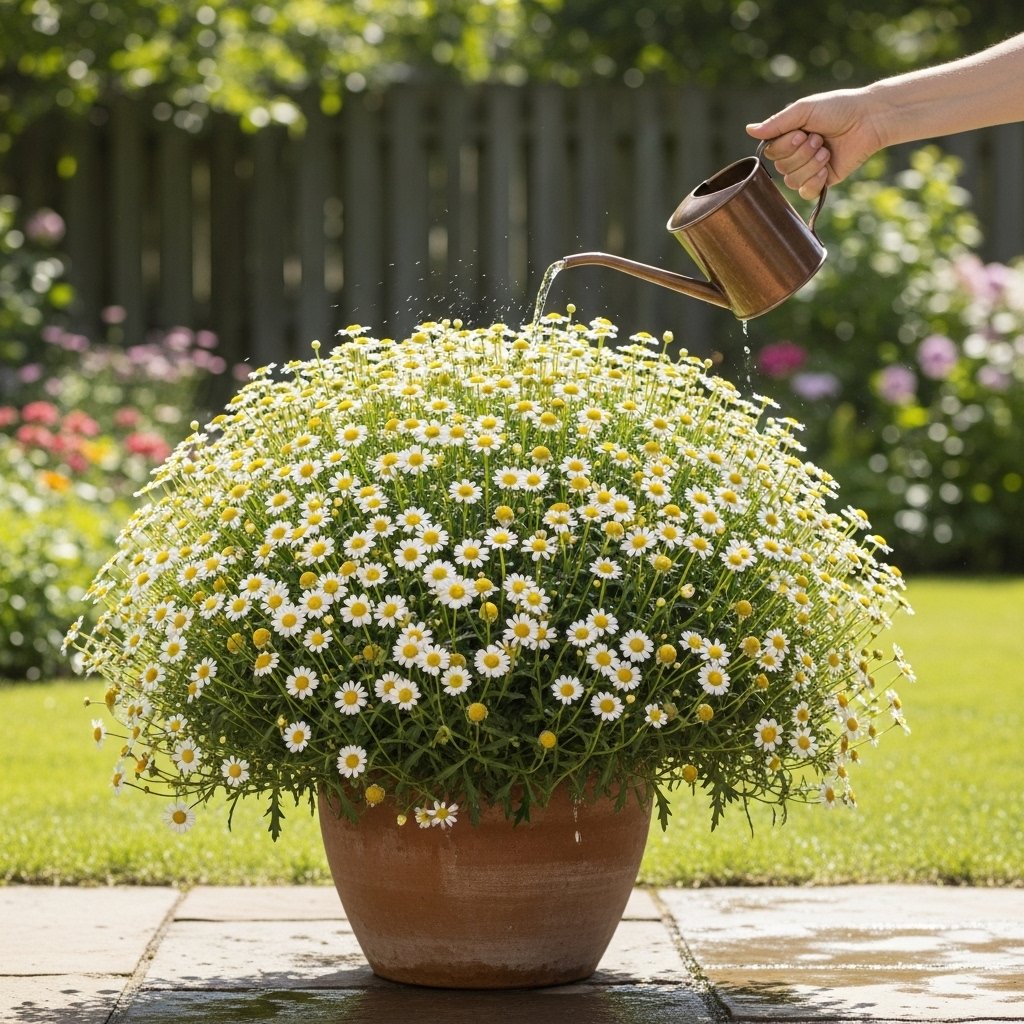
Mums look tough—dense domes of foliage and flowers that seem ready for anything—but their root systems tell a different story. Chrysanthemums are shallow‑rooted, which makes them extra dependent on consistent moisture and extra vulnerable to both drying out and sitting in soggy soil. The way you water mums is one of the biggest factors in how long they bloom and how good they look.
This guide breaks down how often to water mums in beds and containers, how to tell when they actually need a drink, and the best techniques to keep soil moist without drowning the roots or ruining the flowers.
How Much Water Do Mums Really Need?
Most mums perform best when they receive about 2.5 cm (1 inch) of water per week during the growing and blooming season, including rainfall. However, that’s only a baseline. The right frequency depends on:
- Whether they’re in the ground or in pots.
- Your climate and current weather (heat, wind, humidity).
- Soil type and drainage.
The consistent principle: mums like soil that is evenly moist around the root zone but never waterlogged.
How Often to Water Garden Mums (In the Ground)
Garden mums in beds have access to a larger soil reservoir than potted plants, so they usually need less frequent watering.
General Schedule
- In average conditions, one deep watering every 7–10 days is often enough, as long as you soak the soil thoroughly.
- In hot, dry, or windy weather, you may need to increase to every 3–5 days, especially on newly planted mums.
How to Check
The most reliable method isn’t the calendar; it’s your fingers:
- Insert a finger 5 cm (2 inches) into the soil near the base of the plant.
- If it feels dry at that depth, it’s time to water.
- If it still feels moist, wait a day or two and check again.
Mulch 5–7 cm (2–3 inches) around mums helps keep moisture stable and reduces how often you need to irrigate.
How Often to Water Potted Mums
Container mums dry out significantly faster than those in beds because they have limited soil volume and more exposed sides.
Typical ranges:
- In cool, mild weather: every 2–3 days may be enough.
- In warm or windy conditions, especially full sun: often once a day, sometimes even twice for small pots in intense heat.
Again, don’t rely purely on a schedule. Instead:
- Feel the top 2–3 cm of potting mix; if it’s dry and the pot feels noticeably lighter when lifted, water.
- If the soil is very dry and pulling away from the sides, bottom‑water by soaking the pot in a tray or bucket of water for about 30 minutes, then drain thoroughly.
Always ensure containers have drainage holes. Mums in pots with no drainage are almost guaranteed to suffer root rot.
The Right Way to Water Mums
How you deliver the water is just as important as how often.
Water at the Base, Not Over the Blooms
Wet foliage and flowers increase the risk of fungal disease and can shorten bloom life.
Best practice:
- Direct the stream of water at the soil level, around the base of the plant, keeping leaves and flowers as dry as possible.
- Use a watering can with a long spout, a hose with a gentle nozzle, or a soaker hose around in‑ground mums.
Overhead watering with a strong spray can flatten blooms and splash soil onto the foliage, spreading disease.
Water Deeply, Then Let Excess Drain
For both garden and potted mums, aim for deep, thorough watering rather than frequent shallow sips.
- Water until you see a steady stream draining from the pot’s drainage holes or until the soil in beds is moist several inches down.
- Never let pots sit in standing water for more than about 15–30 minutes; empty saucers to avoid root suffocation.
Deep watering encourages roots to grow downward, making plants more resilient between waterings.
Best Time of Day to Water
Morning is ideal for watering mums.
- Cooler morning temperatures allow plants to absorb moisture before midday heat.
- Leaves and surfaces dry quickly, lowering disease risk.
Avoid late evening watering when possible; water sitting on leaves and in dense foliage overnight can encourage fungal issues.
Signs You’re Overwatering or Underwatering
Because mums are shallow‑rooted, they show water stress quickly.
Underwatering Symptoms
- Wilting and drooping, especially in the heat of the day.
- Dry, crisp leaf edges or browning foliage.
- Soil pulling away from the sides of the pot or bed.
If plants perk up within a few hours of watering, you likely caught underwatering in time.
Overwatering Symptoms
- Limp, droopy foliage despite moist or soggy soil.
- Yellowing leaves starting from the bottom.
- Mushy stems or signs of root rot in containers.
If you see these, back off on watering and check drainage. In pots, consider repotting into fresh, well‑drained mix if roots are rotting.
Special Situations: Newly Planted and Fall Display Mums
Newly Planted Garden Mums
Newly planted mums need more frequent water for the first couple of weeks while roots establish.
- Water every other day (or more often in hot weather) during the first 10–14 days, ensuring soil stays evenly moist.
- After establishment, taper back to the deeper, less frequent schedule.
Decorative “Gift” Mums
Mums bought in tight nursery pots for short‑term porch or indoor displays dry out very quickly.
- Check soil daily; water whenever the top 2–3 cm are dry and the pot feels light.
- In very small pots, they may need water almost every day, especially outdoors in sun.
If you want them to last longer than a week or two, consider repotting into a slightly larger container with fresh potting mix for better moisture buffering.
Simple Watering Setups That Make Life Easier
If you’re growing multiple mums or struggle with inconsistent watering, a few tools can help.
- Soaker hoses or drip irrigation for beds: deliver slow, deep water directly to the root zone, keeping foliage dry.
- Self‑watering trays or bottom‑watering tubs for containers: useful for rehydrating very dry pots and for consistent moisture when you’re away for a day or two.
- Moisture meters: handy if you’re not confident reading soil moisture by feel, particularly in deep containers.
These systems also reduce disease by avoiding wet foliage and conserving water.
FAQ Section
1. How often should I water mums in pots?
Check daily; in cool weather this may mean watering every 2–3 days, but in warm or sunny conditions many potted mums need water once a day, whenever the top 2–3 cm of soil feel dry and the pot is light.
2. Is it better to water mums from the top or bottom?
Water at soil level, not over the blooms, to keep foliage dry and prevent disease; for very dry pots, bottom‑watering by soaking in a tray for 20–30 minutes is an effective way to rehydrate the root ball.
3. Can mums get too much water?
Yes. Constantly soggy soil leads to root rot, yellowing, and wilting even when soil is wet; always ensure good drainage and let the top layer of soil dry slightly between waterings.
4. Do garden mums need watering in rainy fall weather?
Often not; if rainfall is providing roughly 2.5 cm (1 inch) of water per week and soil drains well, you can skip supplemental watering—just monitor for waterlogged spots and improve drainage if needed.
5. What’s the best way to keep mums blooming as long as possible?
Combine consistent, base‑level watering in well‑drained soil with deadheading spent blooms, good light, and avoiding overhead watering; this reduces stress and disease, helping flowers last for weeks..