
Tomato Leaves Curling: Causes, Prevention & Easy Fixes
Tomato Leaves Curling: Causes, Prevention & Easy Fixes
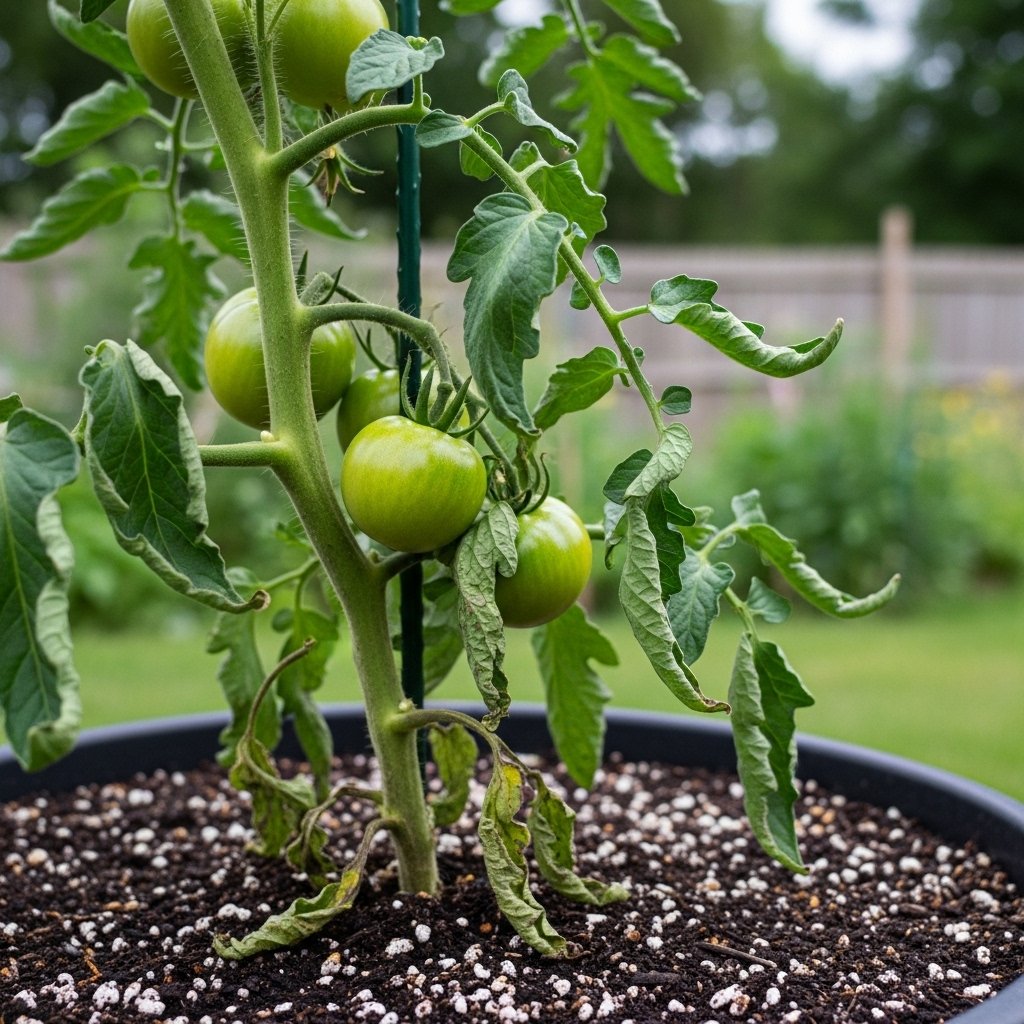
Curled tomato leaves can look alarming, but they’re usually a stress signal—not an immediate death sentence for your plants. Many forms of leaf curl are reversible once you adjust heat, watering, or pruning; others, like herbicide injury or viral disease, need tougher decisions. The key is reading the pattern of curl and the rest of the plant’s health so you can match symptoms to the right cause.
This guide covers the most common reasons tomato leaves curl, how to diagnose each one in your garden, and the simplest steps to fix or prevent the problem in future seasons.
1. Environmental/Physiological Leaf Curl (Most Common & Usually Harmless)
This is the “don’t panic” version of leaf curl. It’s a response to stress, not infection.
Typical triggers:
- Heat stress (temperatures consistently around or above 32 °C / 90 °F).
- Intense sun and high UV, especially midday.
- Drought or inconsistent watering (soil swinging from very dry to wet).
- Overwatering in cool weather, causing root stress.
- Heavy pruning, transplant shock, or root damage from cultivation.
Symptoms:
- Leaves curl or roll upward or inward along the midrib, often starting on older, lower leaves.
- Leaves may feel thicker and leathery but stay green and otherwise healthy.
- The plant is generally vigorous and still flowering and setting fruit.
What to do:
- Keep soil moisture consistent—deeply water when the top several centimeters are dry, then let it drain; avoid both drought and constant sogginess.
- Mulch around plants to buffer soil moisture and temperature.
- Provide light shade (shade cloth, row cover, or nearby taller plants) during extreme heat to reduce stress.
- Avoid aggressive pruning or heavy root disturbance around stressed plants.
Physiological leaf curl often looks dramatic but does not usually reduce yield significantly, and foliage may relax once conditions improve.
2. Water Stress: Underwatering & Overwatering
Tomatoes are water‑hungry but also hate “wet feet,” so both extremes lead to curl.
Underwatering:
- Leaves curl downward or inward and may feel dry or brittle.
- Wilting is worse in midday sun and improves somewhat at night.
Overwatering:
- Leaves curl and droop while soil stays wet; they may yellow or look limp.
- In containers, waterlogged soil and poor drainage are common culprits.
Fix & prevent:
- Aim for deep watering 1–2 times per week in ground (more often in containers) rather than frequent light sprinkles.
- Water in the morning so foliage dries quickly, reducing disease risk.
- Use mulch to reduce evaporation and soften moisture swings.
- Ensure containers and beds drain well; amend heavy clay with compost and avoid saucers full of standing water.
Once moisture is steady, new leaves usually grow out normally, though existing curled leaves won’t fully uncurl.
3. Heat and Sun Intensity
Tomatoes love warmth, but there’s a maximum comfort zone.
- When highs regularly exceed about 32 °C (90 °F), plants curl leaves to reduce exposed surface area and conserve water.
- Extremely high UV and strong afternoon sun can also cause sunscald (bleached patches) and curled, crispy edges.
You’ll often see:
- Upward curling or taco‑shaped leaves, especially on upper canopy.
- Leaves that look thick, a bit leathery, but otherwise green.
What to do:
- Install shade cloth (about 30–40% shade) during peak heat, especially for afternoon sun.
- Maintain adequate soil moisture and mulch.
- In hot climates, consider afternoon shade or slightly later planting to avoid peak summer extremes.
Heat‑related curl often resolves or lessens when temperatures moderate; fruiting can also improve as heat stress eases.
4. Nutrient Imbalances (Too Much Nitrogen, Not Enough P & K)
Nutritional stress doesn’t just change color; it also shows up as curling.
- Excess nitrogen leads to very lush, dark green growth that the root system can’t fully support, so leaves may curl and droop downward.
- Low phosphorus or potassium can stunt growth, cause yellowing, and contribute to curled, weak leaves.
What to do:
- Test soil with an at‑home kit or lab to check pH and N‑P‑K levels.
- Reduce or stop high‑nitrogen fertilizers; avoid lawn fertilizers near tomatoes.
- Use a balanced tomato fertilizer or amend with compost to even out nutrient supply, following recommendations from soil test results.
Correcting nutrition will mainly show up in healthier new growth and better flowering and fruiting, rather than uncurling existing leaves.
5. Herbicide Drift or Contaminated Compost/Manure
Herbicide injury is one of the more serious causes of curling and distortion.
Causes:
- Spray drift from nearby lawn, pasture, or field herbicides (e.g., 2,4‑D, dicamba).
- Herbicide residues in manure, straw, compost, or soil brought into the garden (from livestock fed treated hay, for example).
Symptoms:
- New growth is the most distorted: tightly curled, cupped, or twisted leaves; narrow, strappy foliage.
- Leaves may curl downward or upward with pronounced veins and a “fern‑like” look.
- Distortion often appears on multiple plants downwind or in the same soil or compost batch.
What to do:
- Stop using any suspect compost, manure, or straw and don’t add more until you’re sure it’s herbicide‑free.
- If drift is suspected, talk with neighbors about spraying practices and try to time your gardening when wind is low.
- Mild cases can sometimes grow out if no new exposure occurs; severe cases may never fully recover, and extension services recommend discarding badly affected plants and not eating their fruit if herbicide identity is unknown.
Prevent by carefully sourcing compost/manure and following all label and drift precautions when using any herbicide near vegetable gardens.
6. Viral Diseases (Tomato Yellow Leaf Curl & Others)
Viruses can cause leaf curl along with more serious decline.
Common viral culprits:
- Tomato yellow leaf curl virus (TYLCV).
- Tomato mosaic virus and others spread by whiteflies, thrips, or handling.
Viral symptoms usually include more than curl:
- Small, twisted, or cupped leaves; often yellowing or mottling.
- Stunted plants with poor flowering and little or no fruit set.
- Symptoms often start in the top/newest growth and progress downward.
What to do:
- Remove and destroy (do not compost) clearly virus‑infected plants to reduce spread.
- Control insect vectors like whiteflies and thrips with insecticidal soap or other appropriate controls.
- Rotate crops and avoid planting tomatoes in the same spot year after year.
- Choose virus‑resistant varieties if viruses are common in your area.
Unfortunately, viral damage cannot be reversed on affected plants. Prevention and removal are key.
7. Insect Pests (Aphids, Mites, etc.)
Sap‑sucking insects can cause leaves to curl and pucker where they feed.
Look for:
- Aphids clustered on leaf undersides and stems, with sticky honeydew.
- Spider mites causing fine webbing and speckled, dusty leaves.
- Broad mites causing distorted, curled new growth.
Pest‑related curl is often localized to specific leaves or branches rather than uniform across the plant.
What to do:
- Inspect undersides of curled leaves with a hand lens.
- Spray with a strong jet of water to dislodge pests, then follow with insecticidal soap or horticultural oil if needed, applied in the evening to avoid leaf burn.
- Improve airflow by sensible pruning and spacing to reduce pest pressure.
Once pests are under control, new growth should appear more normal.
8. Wind Damage and Mechanical Stress
High winds, blowing dust, or rough handling can physically damage leaves, leading to curling and cupping as they heal.
Indicators:
- Curling along with small tears or ragged edges on leaf margins.
- Plants in exposed, windy spots or near pathways where they’re frequently brushed.
Fix & prevent:
- Stake or cage plants to limit whipping in the wind.
- Use windbreaks (fencing, hedging, or temporary fabric) in very exposed gardens.
Wind‑curl is usually cosmetic and resolves as new, undamaged leaves grow.
9. When to Worry & When to Relax
A quick way to triage leaf curl:
- Plant looks otherwise healthy, green, and is flowering/fruiting; curl is even, mostly lower or middle leaves → likely physiological/environmental; adjust water, shade, pruning.
- New leaves are twisted, narrow, or badly deformed; plant is stunted or yellowed → suspect virus or herbicide; consider removal.
- Curl is localized with visible insects or webbing → treat pests.
Often, the best course with mild curl is to fix basics—water, heat, nutrients—and watch new growth rather than trying to “fix” already curled leaves.
FAQ Section
1. Will curled tomato leaves go back to normal?
Mild physiological curl from heat or water stress may relax slightly, but in most cases existing leaves stay somewhat curled; what matters is that new leaves grow in flat and healthy once the underlying stress is resolved.
2. Should I remove curled leaves from my tomato plants?
You can remove a few badly curled or damaged leaves to improve airflow, but there’s no need to strip the plant; focus on correcting the cause rather than defoliating, especially if the plant is otherwise vigorous.
3. How can I tell herbicide damage from normal leaf curl?
Herbicide injury typically affects new growth first, causing extreme cupping, twisting, and narrow, fern‑like leaves, often on multiple plants in the same area; environmental curl usually looks more uniform with leaves staying green and fairly normal in shape.
4. Does tomato leaf curl always mean a virus?
No—most leaf curl in home gardens is from environmental or cultural stress, not virus; viral problems are more likely when curling is accompanied by leaf yellowing or mottling, stunting, and poor fruit set, especially if pests like whiteflies are present.
5. What’s the best way to prevent tomato leaf curl overall?
Plant after soil has warmed, maintain consistent deep watering, mulch, avoid over‑fertilizing with nitrogen, limit harsh pruning, protect from herbicide drift, manage pests early, and provide shade during extreme heat; together these steps dramatically cut the risk of leaf curl and yield loss.