
24 Best Indoor Plants for Any Location (Easy-Care & Stylish)
24 Best Indoor Plants for Any Location (Easy-Care & Stylish)
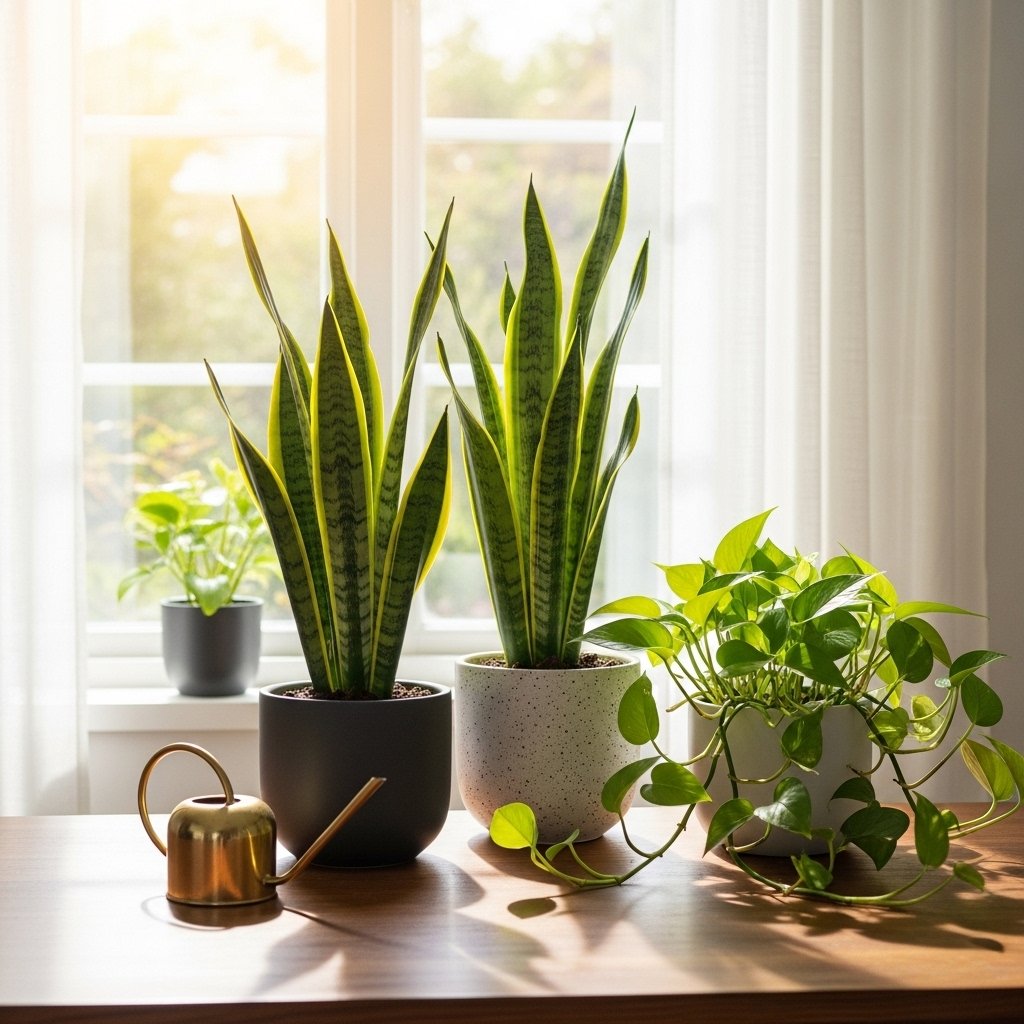
Before picking a plant by looks, match it to your conditions and habits. Most “problem” plants are simply bad matches for their environment.
Key factors to consider:
- Light level:
- Bright, direct: right in a sunny window.
- Bright, indirect: near a window but not sun‑blasted.
- Medium: bright room, but no direct beams.
- Low: a few meters from windows, or rooms with only reflected light.
- Your routine:
- Forgetful or very busy → choose drought‑tolerant, tough plants (snake plant, ZZ plant, pothos).
- Like to fuss and check plants often → pick plants that enjoy consistent moisture and attention (ferns, prayer plant, some calatheas).
- Pets and kids: Some popular plants are toxic if chewed (pothos, philodendron, dieffenbachia, peace lily, etc.), so check toxicity if you have curious pets or toddlers.
- Humidity & temperature:
- Air‑conditioned, dry rooms → favor hardy, low‑humidity plants like sansevieria, ZZ, succulents.
- Bathrooms or kitchens → great for humidity‑lovers like ferns, peace lilies, some calatheas.
12 Easy Indoor Plants for (Almost) Any Home
Here are widely recommended “starter” plants that most guides and experts agree are forgiving and adaptable.
1. Snake Plant (Sansevieria / Dracaena trifasciata)
- Light: Low to bright, tolerates almost anything except deep darkness.
- Water: Infrequent; let soil dry almost completely between waterings.
- Why it’s “perfect”: Extremely tough, handles neglect, travel, and inconsistent care; upright form suits corners and bedrooms.
2. ZZ Plant (Zamioculcas zamiifolia)
- Light: Low to medium, tolerates low light very well.
- Water: Very drought‑tolerant; water only when soil is fully dry.
- Why it’s great: Glossy leaves, architectural shape, and almost suspiciously hard to kill—ideal for offices and dim rooms.
3. Pothos (Epipremnum aureum)
- Light: Low to bright, prefers bright indirect but manages in low.
- Water: Let the top part of soil dry between waterings.
- Why it’s great: Fast‑growing trailing vine, works in hanging baskets and shelves; very forgiving of missed waterings.
(Keep away from pets and kids; it’s toxic if chewed.)
4. Philodendron (Vining Types)
- Light: Medium to bright indirect.
- Water: Evenly moist, drying slightly between waterings.
- Why it’s great: Similar to pothos in look and ease; many varieties stay compact and are easy to shape.
5. Peace Lily (Spathiphyllum)
- Light: Low to medium, blooms better with brighter indirect light.
- Water: Likes evenly moist soil; will “dramatically” droop when thirsty, then bounce back after watering.
- Why it’s great: Clear visual signal when it needs water, glossy leaves, and white blooms that brighten low‑light corners.
6. Spider Plant (Chlorophytum comosum)
- Light: Low to medium, avoids harsh direct sun.
- Water: Moderate; keep slightly moist, allowing top to dry a bit.
- Why it’s great: Produces baby plantlets you can root easily; often recommended as a beginner, low‑light air‑purifying plant.
7. Rubber Plant (Ficus elastica)
- Light: Medium to bright indirect; tolerates some direct morning sun.
- Water: Let top soil dry between waterings; dislikes soggy roots.
- Why it’s great: Bold, glossy leaves and tree‑like form; many beginners find it easier than drama‑prone fiddle leaf figs.
8. Chinese Evergreen (Aglaonema)
- Light: Low to medium, good for dim rooms.
- Water: Allow the top layer to dry before watering again.
- Why it’s great: Very tolerant of low light and irregular watering, with attractive patterned leaves.
9. Cast Iron Plant (Aspidistra)
- Light: Low to medium; famous for surviving in “impossible” corners.
- Water: Moderate; tolerates some neglect and dryness.
- Why it’s great: Truly lives up to its name—ideal where other plants fail (hallways, north‑facing rooms).
10. Aloe Vera
- Light: Bright, ideally some direct sun.
- Water: Infrequent; treat like a succulent—water deeply, then allow to dry fully.
- Why it’s great: Medicinal gel in the leaves, sculptural shape, and very forgiving if you forget the watering can.
11. Monstera deliciosa
- Light: Medium to bright indirect.
- Water: Let the top few centimeters of soil dry between waterings.
- Why it’s great: Big, tropical leaves and fast growth; surprisingly forgiving provided you don’t severely overwater.
12. Low-Light Champions (When You Have Almost No Sun)
Good picks when your space is genuinely dim:
- ZZ plant and cast iron plant.
- Snake plant and pothos.
- Parlor palm and lucky bamboo for softer, leafy looks.
These plants are consistently recommended as low‑light survivors in multiple guides.
Quick Matching Table: Plant vs Light & Care Level
| Plant | Light Level | Watering Style | Best For |
|---|---|---|---|
| Snake plant | Low–bright | Very infrequent | Busy people, bedrooms |
| ZZ plant | Low–medium | Very infrequent | Offices, low‑light corners |
| Pothos | Low–bright indirect | Moderate, dries a bit | Hanging baskets, shelves |
| Philodendron | Medium–bright indirect | Moderate | Table/shelf greenery |
| Peace lily | Low–medium | Evenly moist | Bathrooms, soft leafy look |
| Spider plant | Low–medium | Moderate | Kids’ rooms, hanging pots |
| Rubber plant | Medium–bright | Moderate, no soggy soil | Statement floor plant |
| Chinese evergreen | Low–medium | Moderate, fairly forgiving | Offices, low‑light corners |
| Cast iron plant | Low–medium | Moderate, tough | Hard‑to‑fill dark spots |
| Aloe vera | Bright, some sun | Sparse, succulent style | Sunny sill, minimal care |
| Monstera | Medium–bright indirect | Moderate | Living‑room “jungle” look |
Basic Care Rules for Almost Any Houseplant
Once you’ve matched plant to place, a few simple rules keep most indoor plants happy.
Fertilizer: During active growth (spring–early autumn), a diluted balanced houseplant fertilizer once a month is enough for most species; don’t overfeed.
Light: “Bright indirect” usually means you can comfortably read a book without turning on a light; avoid harsh midday sun unless the plant is a succulent or cactus.
Water:
Check soil with your finger before watering; most popular houseplants prefer the top 2–3 cm to dry before the next drink.
Err slightly on the dry side rather than keeping soil constantly wet.
Drainage: Always use pots with drainage holes and a free‑draining mix appropriate to the plant (more perlite or grit for succulents; richer mix for foliage plants).
Humidity & cleaning: Many tropicals appreciate occasional misting, a pebble tray, or simply being grouped together, plus wiping dust off leaves so they can photosynthesize efficiently.
FAQs
Which indoor plant is best for low light?
Snake plant and ZZ plant top the list for low-light spots. They need water just every 2-4 weeks and purify air effectively, making them ideal for offices or bedrooms with minimal sun.
How often should I water indoor plants?
Water when the top inch of soil feels dry—typically weekly for most, less for succulents. Overwatering causes 90% of houseplant deaths, so err on the dry side.
Are indoor plants safe for pets?
Yes, options like spider plants, pothos, and Boston ferns are pet-safe. Avoid lilies or philodendrons if cats chew leaves, as they can irritate.
Can indoor plants survive in bathrooms?
Boston ferns, peace lilies, and calatheas love bathroom humidity. Place them near showers for best growth, but ensure some indirect light.
How do I propagate indoor plants?
Stem cuttings in water work for pothos and philodendrons—roots form in weeks. Succulents like jade root in soil; keep moist until established.
Conclusion
The 24 best indoor plants—from snake and ZZ for shade to fiddle leaf figs for brightness—offer solutions for every location and lifestyle. Match them to your space, follow the care steps, and avoid pitfalls for lasting greenery. Start with 2-3 forgiving varieties today; your home will feel fresher and more vibrant soon. You’re now equipped for success