
How To Grow and Care For Kalanchoe
How To Grow and Care For Kalanchoe
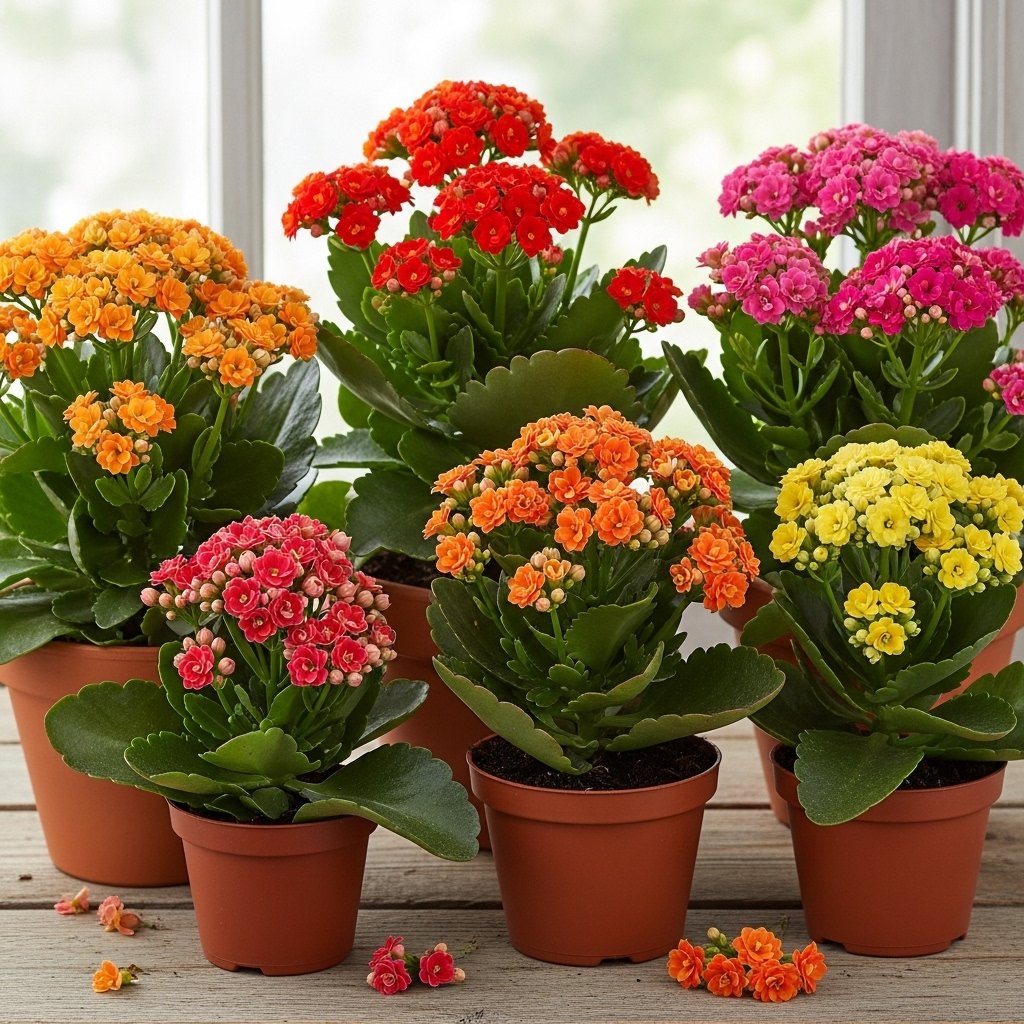
Kalanchoes add bright flowers and interesting leaves to gardens or homes. These easy-care succulents are great for beginners. They come from Madagascar and provide color all year.
Expect clusters of tiny flowers in shades of orange, yellow, pink, or red. Plants reach 1-2 feet tall, with fleshy leaves storing water efficiently. They’re drought-tolerant and low-maintenance gems.
Varieties of Kalanchoes
Kalanchoe blossfeldiana, also called Flaming Katy, is the most popular type for homes. It has star-shaped flowers on short stems.
Kalanchoe daigremontiana, known as Mother of Thousands, features plantlets along leaf edges for easy propagation. Its silvery leaves add a unique texture.
Other types are Kalanchoe thyrsiflora, known as paddle plant, with flat, round leaves, and Kalanchoe fedtschenkoi, or lavender scallops, which trails nicely. Pick a type that fits your space and light.
Light Requirements
Kalanchoes bloom best in bright, indirect light. Indoors, put them near east or west windows.
Keep them out of direct midday sun to avoid leaf burn. If growing outside in hot places like India, give them filtered shade.
If light is low, the stems may grow long and thin. Turn your plants each week so they grow evenly. Try to give them 12 to 14 hours of light each day.
Watering Best Practices
Water only when the top 2 inches of soil are dry, usually every 2 to 3 weeks indoors. Check with your finger to be sure.
Overwatering causes root rot, the leading cause of death for these succulents. Always use pots with drainage holes and well-draining soil.
In winter, water just once a month because the plant grows more slowly. To bottom-water, set the pot in a saucer of water for 30 minutes, then pour out any extra water.
Soil and Potting Essentials
Use a cactus or succulent soil mix with perlite for better airflow. You can also make your own by mixing half potting soil, a third sand, and the rest perlite.
Repot every 2-3 years in spring into a container one size larger. Terracotta pots promote drying and prevent soggy roots.
Put some gravel at the bottom of the pot for extra drainage. This mimics the dry conditions in which these plants grow naturally.
Temperature and Humidity Needs
Kalanchoes like daytime temperatures between 60 and 85°F, and cooler nights around 50°F help them bloom. Keep them away from drafts and heaters.
They do best in low humidity, so normal home air is fine. Don’t mist the leaves, as this can cause fungus problems.
Use a weak, balanced fertilizer (10-10-10) every 4 to 6 weeks in spring and summer. Don’t fertilize in fall or winter.
Fertilizers with extra phosphorus help plants produce more flowers. Too much fertilizer can make the plant grow weak and spindly.
Fertilize after you water to protect the roots. Once a month, water the soil well with plain water to wash away any salt.
Pruning and Deadheading
Remove old flowers to help the plant keep blooming. Use your fingers or scissors to cut just above a leaf. This helps the plant use its energy better.
Cut back long, thin stems in spring to make the plant bushier. Remove any yellow leaves at the bottom to allow air to circulate the plant.
Wear gloves because the sap can bother your skin. Pruning helps your plant stay healthy and compact each year.
Propagation Techniques
You can easily grow new plants from leaf cuttings or small plantlets. For Mother of Thousands, pick off the tiny plantlets along the leaf edges and plant them in soil.
Stem cuttings will grow roots in 2 to 3 weeks. Let the cut end dry overnight before planting. You can dip it in rooting hormone if you want.
Offsets from the base divide effortlessly during repotting. Keep moist but not wet until roots form.
Pest and Disease Control
Check the undersides of leaves for mealybugs or spider mites. Wipe them off with neem oil or insecticidal soap once a week.
If you overwater, root rot can cause the stems to become soft and mushy. Cut off the damaged parts and repot the plant in dry soil.
Prevent issues with quarantine, new plants, and good hygiene. Healthy, unstressed Kalanchoes are resistant to most problems.
Indoor vs. Outdoor Growing
Indoors, Kalanchoes do well on windowsills or shelves when cared for regularly. Outdoors in zones 10 to 12, plant them in garden beds with afternoon shade.
In cooler areas, treat as annuals or bring inside before frost. Use as a thriller in mixed containers for patios.
Group with other succulents for microclimate benefits. They excel in rock gardens, too.
Blooming and Reblooming Secrets
To get Kalanchoes to bloom again, give them 14 hours of darkness each night for 6 weeks. Cover them or move them to a dark spot from October to December.
Cooler nights around 55°F help buds set. Patience pays off with months of color.
Keep removing old flowers and feed with a high-phosphorus fertilizer. The blooms will last 4 to 8 weeks on their own.
Troubleshooting Common Issues
Leggy growth means more light is needed—relocate promptly. Drooping leaves signal thirst; wrinkled ones show underwatering.
Brown tips on the leaves can be caused by low humidity or fluoride in the water. Try using rainwater or distilled water instead.
If your plant isn’t flowering, check whether it’s getting the right amount of darkness and temperature. Prune it and make sure it gets enough light to bloom again.
FAQs
How often should I water my Kalanchoe?
Water every 2-3 weeks when the top 2 inches of soil are dry; always ensure drainage.
What light does Kalanchoe need to bloom?
Bright indirect light daily, with 14-hour nights for 6 weeks to trigger flowers.
Can Kalanchoes grow outdoors in India?
Yes, in partial shade; protect from monsoon rains and hot direct sun.
How do I propagate Kalanchoe plants?
Use leaf plantlets or stem cuttings; root in well-draining soil after callousing.
Why are my Kalanchoe leaves turning yellow?
Usually overwatering—let the soil dry fully and check roots for rot.