
TSA Liquid Limits: What You Can Carry & How Much You Can Bring
TSA Liquid Limits: What You Can Carry & How Much You Can Bring
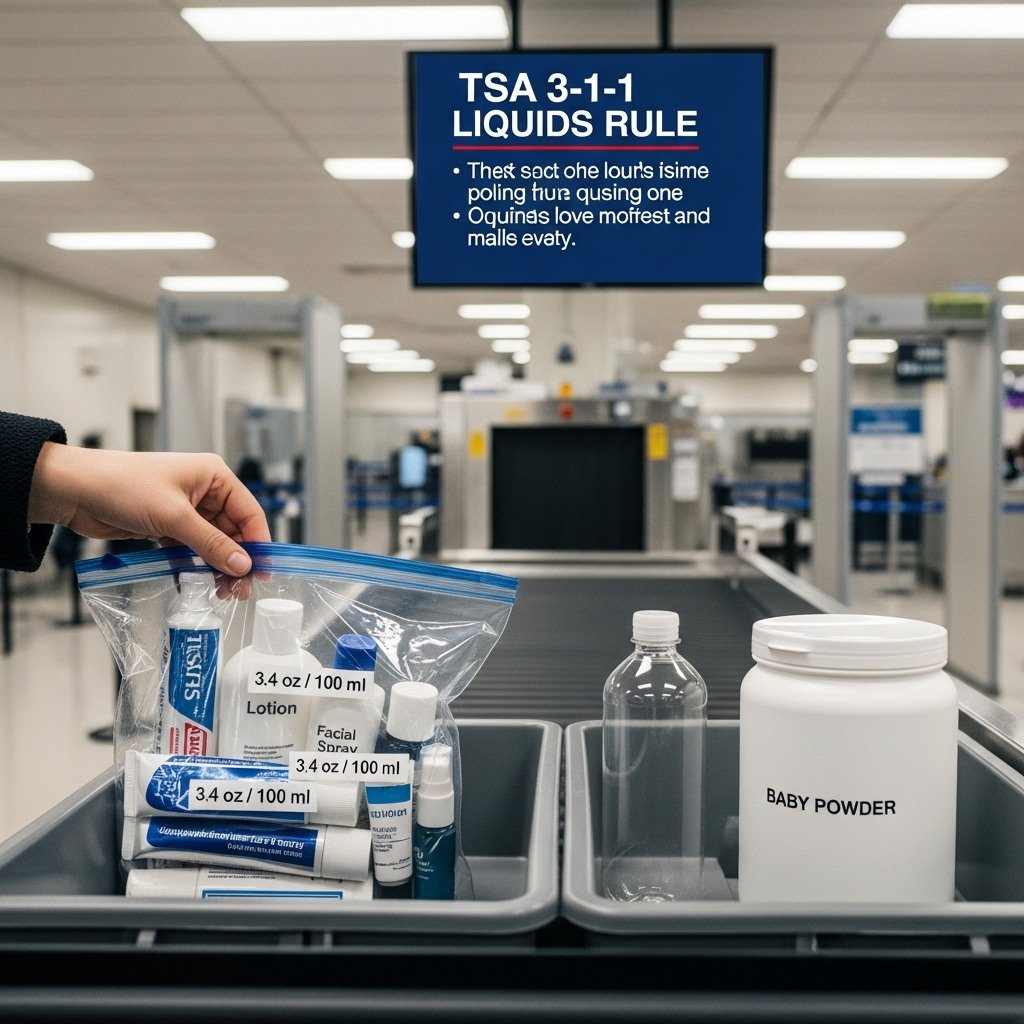
Traveling with liquids in your carry-on can feel like navigating a minefield. One wrong move at security, and you’re tossing out your favorite shampoo or holding up the line. This guide breaks down the TSA’s 3-1-1 rule and beyond, so you know exactly what you can pack, how to pack it, and how to breeze through checkpoints.
Whether you’re a frequent flyer or planning your first trip, you’ll walk away with clear rules, packing hacks, and confidence to avoid surprises. No more guesswork—just smooth sailing to your gate.
What Are TSA Liquid Limits?
TSA liquid limits refer to the U.S. Transportation Security Administration’s restrictions on liquids, gels, aerosols, and similar items in carry-on luggage. The core rule, known as 3-1-1, caps containers at 3.4 ounces (100 milliliters) each, all fitting into one quart-sized, clear plastic bag per passenger.
These measures enhance airport security by reducing risks from hazardous liquids during screening. They apply to domestic and international flights departing from U.S. airports, with similar rules worldwide via ICAO standards.
Why Follow TSA Liquid Limits?
Sticking to these rules saves time, money, and frustration at security.
- Prevents confiscation of valuables, like expensive skincare, keeping your trip on budget.
- Speeds up screening, helping you reach your gate faster amid busy travel days.
- Ensures compliance for international flights, where rules often mirror or exceed TSA standards.
- Reduces stress, letting you focus on vacation vibes instead of last-minute repacks.
Step-by-Step Guide to Packing Liquids in Carry-On Luggage
Follow these steps to pack compliant liquids every time.
- Measure your containers: Use travel-sized bottles no larger than 3.4 ounces (100 ml). Opt for reusable silicone squeezies to save space and money long-term.
- Gather into one bag: Place all qualifying liquids in a single, clear, quart-sized (about 1 liter) zip-top plastic bag. One bag per person—no sharing.
- Seal and label if needed: Double-check seals to avoid leaks. Label non-obvious items like creams to speed up checks.
- Place bag on top: Keep the bag accessible in an easy-to-reach pocket of your carry-on for quick removal at TSA.
- Screen separately: Remove the bag during screening and place it in a bin alone, following PreCheck or CLEAR lane rules if enrolled.
- Check larger items: Anything over 3.4 ounces—like full lotion bottles—goes in checked luggage, sealed in a Ziploc to prevent spills.
Comparison Table: Carry-On vs. Checked Luggage for Liquids
| Item Type | Carry-On Limits | Checked Luggage Limits | Best For |
|---|---|---|---|
| Liquids (e.g., shampoo) | 3.4 oz max per container, 1 qt bag | No volume limit, any size | Carry-on for essentials; checked for bulk |
| Gels/Creams | Same as liquids | Unlimited | Carry-on for meds; checked for hair products |
| Aerosols | 3.4 oz, must have secure cap | Unlimited, but pack securely | Carry-on for small deodorant; checked for hairspray |
| Alcohol | Under 24% ABV: 3.4 oz; over: prohibited | Up to 5 liters per container (under 70% ABV) | Duty-free in checked; small in carry-on |
| Meds/Nutritional | Exempt if declared | No limits | Carry-on for accessibility |
This table helps you decide based on convenience and needs—carry essentials, check the rest.
Customization for Different Travelers
Tailor your packing to your trip type for maximum efficiency.
For families with kids, prioritize diaper creams and baby food (exempt from limits if needed for the flight). Pack in the clear bag but declare at screening.
Business travelers might focus on hand sanitizer and face mist—grab TSA-approved 3.4 oz sizes from duty-free post-security.
International adventurers: Research destination rules (e.g., EU mirrors 100 ml). For long-haul, use checked bags for duty-free liquor buys.
Solo backpackers: Invest in multi-use products like all-in-one shampoo-conditioner to minimize bag space.
Expert Tips for Best Results
I’ve helped dozens of travelers skip security headaches—here’s what works.
Decant bulk items into labeled 3 oz containers at home using a funnel; it cuts costs over buying minis.
Freeze your liquids overnight—they’re solid at screening, fitting rules loosely, then thaw mid-flight.
Enroll in TSA PreCheck for keeping liquids in your bag during expedited lines.
For powders over 12 oz (like protein), declare them separately to avoid extra swabs.
Layer your bag: Liquids first, then solids like toothpaste tabs for easy inspector access.
Common Mistakes to Avoid
- Overfilling the quart bag: It bulges and gets rejected, forcing a full unpack and delays.
- Forgetting aerosols need protective caps: Leaks contaminate everything, leading to total loss.
- Packing solids as liquids: Protein powder jars trigger extra checks if undeclared, slowing lines.
- Ignoring exemptions for meds: Hiding them risks confiscation—always declare.
- Sharing bags with travel companions: One per person, or the whole group gets pulled aside.
Real-World Examples
Picture Sarah, a mom flying cross-country with toddlers. She packed baby formula (exempt) separately and squeezed diaper rash cream into 3 oz bottles in her bag. At security, she declared it—no issues, kids happy.
Tech exec Mike grabbed duty-free cologne post-security in a STHT bag (exempt). Pre-security attempt? Confiscated. Lesson: Buy after checkpoints.
Backpacker Alex froze his gel toiletries for a Europe hop. They passed as solids, saving checked bag fees on a budget airline.
These scenarios show how rules apply in daily travel, building your confidence.
FAQs
What counts as a liquid under TSA rules?
Liquids include gels, creams, pastes, and aerosols—like toothpaste, lotion, and mascara. Even peanut butter qualifies. Solids like lipstick don’t. Stick to 3.4 oz containers in your quart bag for compliance.
Can I bring a full water bottle through TSA?
Empty bottles yes—fill post-security at fountains. Full ones no, unless medically necessary and declared. Hydro flasks work great: empty them before lines, refill after.
Are there exceptions for medications or baby items?
Yes, prescription meds, insulin, and baby formula/food are exempt from 3-1-1. Declare them, show if liquid, and keep in original packaging. Notify officers for smooth screening.
What about duty-free liquids in carry-on?
Duty-free buys in STHT (secure, tamper-evident) bags are allowed post-security. Keep receipts visible. Don’t open until destination—international flights may require this.
Do TSA liquid rules apply to international flights?
From U.S. airports, yes. Abroad, most follow 100 ml limits (e.g., EU, Canada). Always check airline and origin country rules to avoid surprises.
How do I pack liquids for checked bags?
No size limits, but use sealed plastic bags inside to contain leaks. For alcohol, cap at 5 liters under 70% ABV. Label clearly for baggage handlers.
Conclusion
TSA liquid limits boil down to the 3-1-1 rule: 3.4 oz containers in one quart bag per person. Master exemptions, pack smart with our guide and table, and dodge pitfalls like overpacking.
You’re now equipped for any flight—domestic or global. Pack confidently, check your airline’s site for updates, and enjoy worry-free travel. Safe journeys!