
15 Common Peace Lily Problems and Proven Fixes for Thriving Plants
15 Common Peace Lily Problems and Proven Fixes for Thriving Plants
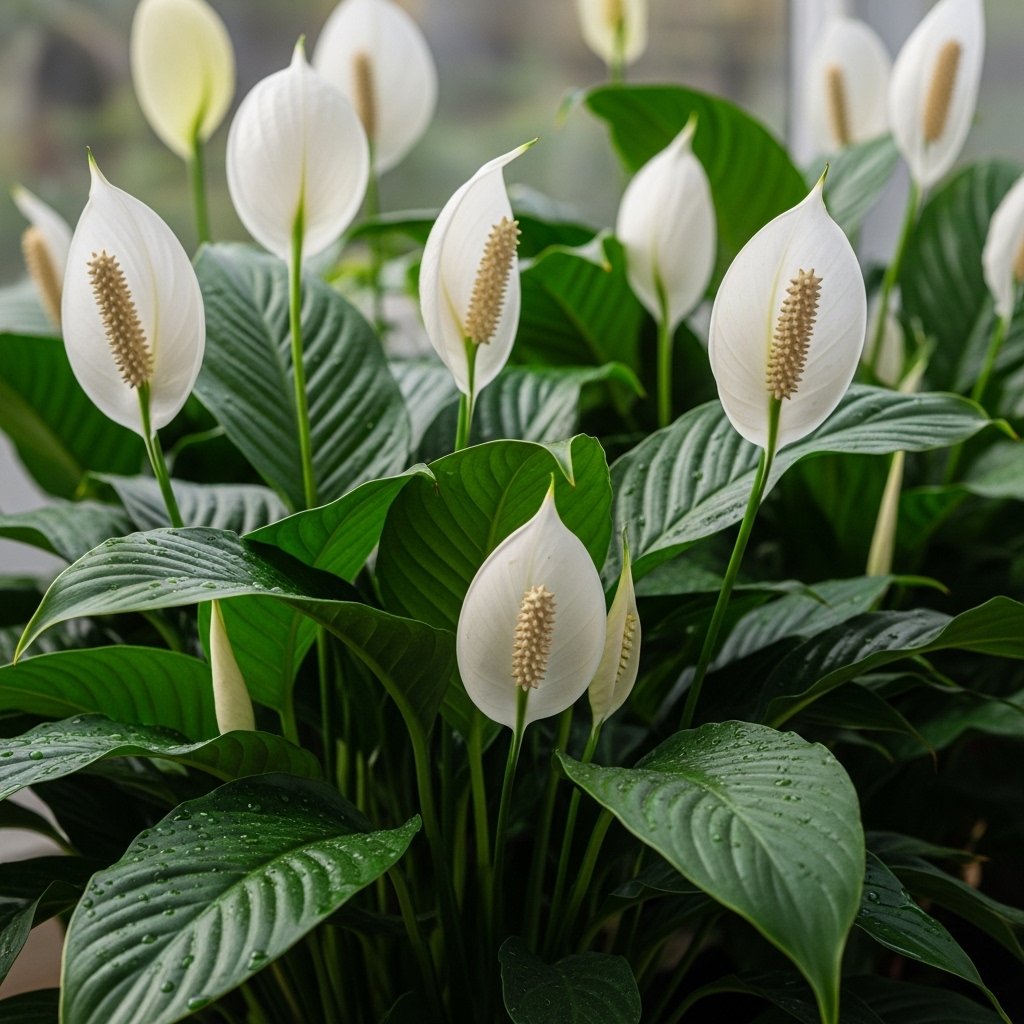
Peace lilies have a reputation for being easy houseplants—and to an extent, they are. They forgive the occasional missed watering and tolerate low light better than many tropicals. But when conditions drift too far from what they like, they show it quickly: leaves droop, tips turn brown, patches go black, or the plant simply refuses to bloom.
The key to solving peace lily problems is to stop guessing and start reading the plant. Most issues fall into a few categories—water, light, humidity, potting mix, fertilizer, and pests—and each creates a distinct pattern of symptoms. This guide walks through the most common peace lily problems, what they really mean, and exactly how to fix and prevent them.
What a Healthy Peace Lily Should Look Like
A healthy Spathiphyllum has:
- Upright, glossy, mid‑ to dark‑green leaves with no extensive browning or yellowing.
- Firm stems; foliage may droop slightly before watering but springs back quickly once hydrated.
- Occasional white spathes (the “flowers”) when given enough light, especially in spring and summer.
If your plant looks chronically droopy, discolored, or stagnant, it’s time to diagnose.
Problem 1: Drooping or Wilting Leaves
Drooping is the peace lily’s most dramatic cry for help—and it can come from opposite causes: underwatering or overwatering.
Underwatering (Most Common)
Signs:
- Plant is fully limp, leaves hang down along the pot.
- Soil is very dry and may pull away from the pot’s sides.
- Leaves perk up within hours of a deep watering.
Fix:
- Water thoroughly, soaking the root ball until water drains from the bottom.
- If soil has become hydrophobic and water runs down the sides, set the pot in a basin of water for 10–15 minutes, then drain.
- Resume watering whenever the top 2–3 cm of soil feel dry—often about once a week, but always check soil, not the calendar.
Overwatering
Signs:
- Plant droops even though the soil is wet or soggy.
- Lower leaves may yellow, then turn brown; stems can become mushy at the base.
Fix:
- Gently slide the plant out and check roots; trim away any brown, mushy, or rotten roots.
- Repot in a fresh, airy, well‑draining mix (a quality indoor potting soil with added perlite works well) and a pot with drainage holes.
- Water less frequently: keep soil lightly moist, never waterlogged.
Problem 2: Yellow Leaves
Occasional yellowing of older, lower leaves is normal as they age. Persistent, widespread yellowing points to stress.
Common causes:
- Overwatering and root rot (most frequent).
- Poor light—either too low or too intense.
- Nutrient deficiency or rootbound conditions limiting uptake.
- Temperature or humidity problems (chill, hot drafts, or very dry air).
Fix:
- Check water first. If soil is consistently damp and roots look unhealthy, treat as overwatering: trim roots, repot, and adjust watering.
- Improve light. Move the plant to bright, indirect light—no harsh sun, but more than a dim corner.
- Assess the pot. If roots circle tightly or poke through drainage holes, repot into a container 2–3 inches wider with fresh soil.
- Feed lightly. Use a balanced houseplant fertilizer at one‑quarter to one‑half strength every 6–8 weeks in spring and summer. Avoid overfertilizing, which can burn roots and worsen yellowing.
Remove fully yellow leaves to tidy the plant, but focus on correcting the cause so new growth emerges healthy.
Problem 3: Brown Leaf Tips
Crispy brown tips on peace lily leaves are extremely common and rarely fatal, but they are telling you something specific.
Main culprits:
- Buildup of salts and minerals from hard tap water or fertilizer.
- Low humidity and dry indoor air.
- Underwatering episodes that let leaf edges dry out.
Fix:
- Switch water source if possible—use filtered, distilled, or rainwater; at minimum, let tap water sit overnight to dissipate some chlorine.
- Flush the soil with plenty of clean water to wash out accumulated fertilizer salts; let it drain well.
- Boost humidity to around 50–60% using a humidifier, pebble tray, or by grouping plants.
- Water more consistently: don’t let the plant fully dry out between waterings.
You can trim off the brown tips with clean scissors, following the leaf’s natural shape. New leaves will not show the same problem if the cause is fixed.
Problem 4: Brown Patches or Black Leaves
Brown patches and blackening leaves are more serious—they may indicate severe underwatering, sunburn, disease, or fertilizer burn.
Brown Patches / Scorched Areas
Often from:
- Direct sunlight hitting leaves, especially at midday.
- Severe underwatering with leaf tissue drying out.
Fix:
- Move the plant to bright, indirect light; avoid any direct sun.
- Water deeply and regularly so soil stays evenly, lightly moist.
Black Leaves or Large Black Areas
Black leaves usually signal:
- Fungal or bacterial disease (leaf blight, root rot).
- Major fertilizer or chemical burn.
Fix:
- Isolate the plant from others to prevent spread.
- Prune off affected leaves and stems with sterilized scissors or pruners, cleaning tools between cuts.
- Check roots—if they’re brown and mushy, trim damaged parts and repot into fresh, well‑draining mix.
- Reduce or stop fertilizer, and consider using a fungicide labeled for houseplants if disease signs continue.
Problem 5: Curling Leaves
Leaves that curl or twist are typically reacting to:
- Low humidity and dry air.
- Underwatering or irregular watering.
- Compact, rootbound conditions where roots can’t absorb enough moisture.
- Occasionally pests like spider mites sucking sap.
Fix:
- Increase humidity and maintain even moisture in the soil.
- Check whether roots are tightly packed; divide or repot into a larger pot with fresh soil if overcrowded.
- Inspect the undersides of leaves for pests and treat promptly if present (see below).
Problem 6: Not Flowering (No White Spathes)
A peace lily that never blooms is usually telling you it’s not getting enough light or nutrients, or that it’s extremely rootbound.
Causes:
- Very low light (far from windows, dark corners).
- Nutrient-poor soil, especially in older potting mixes.
- Severe rootbound condition—roots circling and filling the pot.
Fix:
- Move to a brighter location with plenty of indirect light; they will not bloom well in deep shade.
- Feed lightly with a balanced fertilizer at one‑quarter strength every 6–8 weeks in the growing season.
- Repot rootbound plants into a pot 2–3 inches larger, using fresh, airy potting mix.
Don’t expect immediate blooms; it can take a couple of months of better conditions for new spathes to appear.
Problem 7: Pest Issues
Peace lilies are relatively resistant to pests, but stressed plants can attract:
- Spider mites: fine webbing and tiny moving dots, often on the undersides of leaves.
- Aphids and thrips: small soft-bodied insects on new growth, leaves may curl or distort.
- Mealybugs: cottony white clumps on stems and leaf joints.
Fix:
- Isolate the plant to prevent spread.
- Rinse foliage with a gentle shower to dislodge insects.
- Treat with insecticidal soap or neem oil, covering leaf undersides; repeat weekly until pests are gone.
- Strengthen overall care (light, water, humidity) so the plant is less vulnerable.
Quick Diagnosis Table
| Symptom | Most Likely Cause(s) | First Fix Step |
|---|---|---|
| Whole plant drooping, dry soil | Underwatering | Deeply water, then adopt consistent schedule |
| Drooping in wet soil, mushy base | Overwatering, root rot | Trim roots, repot in airy mix, reduce watering |
| Yellow leaves (many) | Overwatering, low light, rootbound, nutrients | Check roots, light, pot size, feed lightly |
| Brown, crispy tips | Mineral buildup, low humidity, underwatering | Flush soil, switch water, raise humidity |
| Black patches / leaves | Disease, severe overwatering or fertilizer | Prune, repot, reduce feed, consider fungicide |
| Leaves curling | Low humidity, inconsistent water, rootbound | Stabilize watering, increase humidity, repot |
| No blooms | Too little light, rootbound, low nutrients | Move to brighter spot, feed lightly, repot if needed |
FAQ Section
1. How often should I water my peace lily?
Water when the top 2–3 cm of soil feel dry—often about once a week—by watering thoroughly until excess drains out, then letting the soil become lightly moist but not soggy before watering again.
2. Why are my peace lily’s leaves turning yellow and brown at the same time?
Combined yellow and brown often indicate chronic overwatering or poor drainage causing root stress, sometimes compounded by low light or salt buildup; check roots, repot if needed, and adjust watering.
3. Can I cut off brown or yellow leaves?
Yes—remove fully yellow or brown leaves at the base with clean scissors to tidy the plant, but make sure you’ve corrected the underlying problem so new leaves grow in healthy.
4. Why does my peace lily keep drooping even though I water it?
If it droops in moist soil, roots may be rotting or soil may be too dense; inspect roots, trim any rot, repot into a lighter, well‑draining mix, and avoid keeping the soil constantly wet.
5. Where should I place my peace lily for best health and blooms?
Place it in bright, indirect light—near an east or north window or back from a south/west window—with temperatures between 18–29 °C (65–85 °F) and moderate humidity (around 50–60%).