
How Long To Bake Pork Chops
How Long To Bake Pork Chops
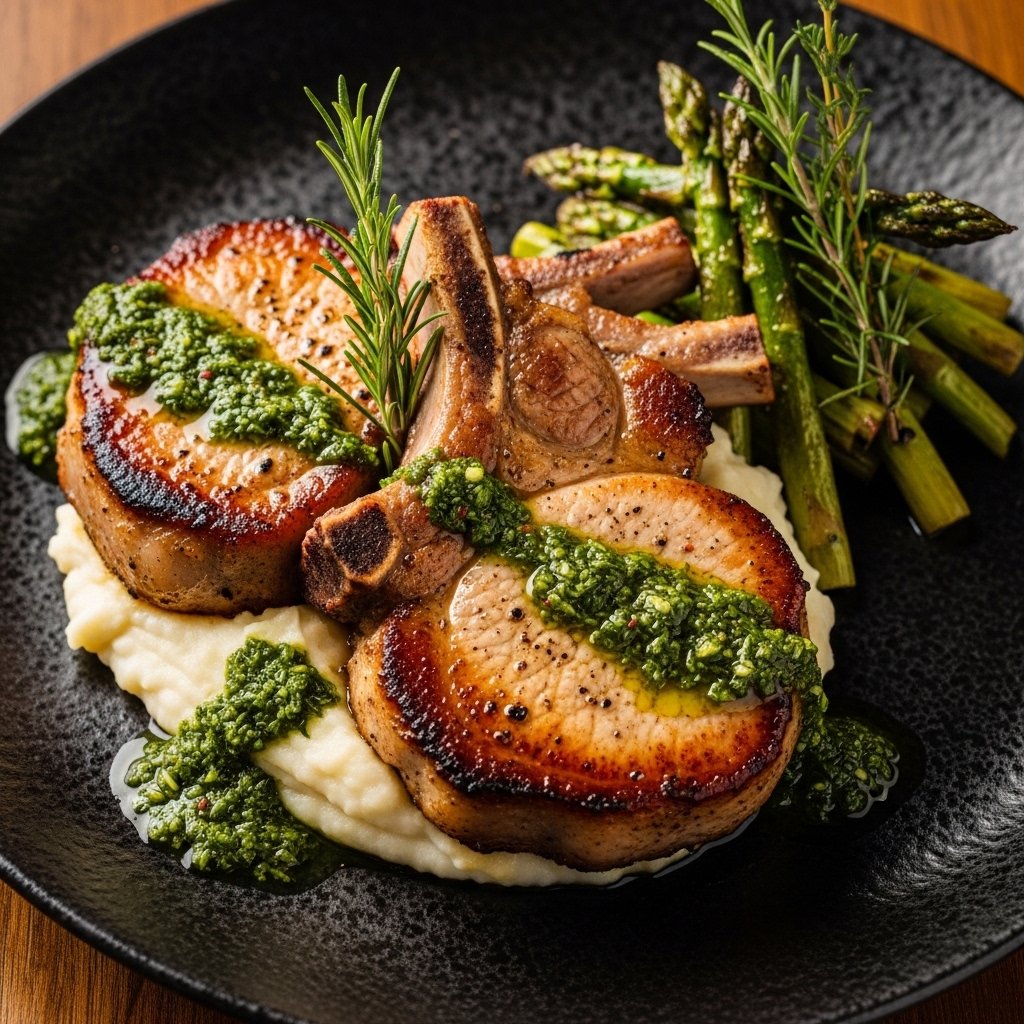
Baked pork chops can be juicy and tender—or dry and chewy—depending largely on thickness, bone-in vs boneless, and oven temperature. Use these time guidelines as a starting point, then always confirm doneness with a meat thermometer.
Pork Chop Baking Time Chart at 400°F (205°C)
| Thickness | Bone Type | Oven Temp | Approx. Bake Time |
|---|---|---|---|
| ¾ inch | Boneless | 400°F | 15–18 minutes |
| ¾ inch | Bone-in | 400°F | 17–20 minutes |
| 1 inch | Boneless | 400°F | 20–22 minutes |
| 1 inch | Bone-in | 400°F | 22–25 minutes |
| 1.5 inch | Boneless | 400°F | 25–28 minutes |
| 1.5 inch | Bone-in | 400°F | 28–30 minutes |
For 425°F (218°C), subtract about 2–3 minutes from the above times.
Important: These are estimates. Pork is safely done when the thickest part registers at least 145°F (63°C), followed by a short rest.
How to Bake Pork Chops Step-by-Step
Use this method for most oven-baked pork chop recipes, adjusting time based on thickness and bone type.
1. Preheat the Oven
- Preheat oven to 400°F (205°C).
- This temperature gives a good balance between browning and gentle cooking.
- For very thick chops (1½ inches), you can also use 425°F to shorten cook time, but monitor closely.
2. Prep the Pork Chops
- Pat pork chops dry with paper towels on both sides.
- Dry surface = better browning and crust.
3. Season Generously
- Sprinkle both sides with:
- Salt
- Black pepper
- Optional: garlic powder, onion powder, paprika, dried herbs
Rub the seasoning in so it adheres evenly. A quick marinade also works well, especially for lean chops.
4. Optional: Sear for Extra Color
For more flavor:
- Heat a little oil in a skillet over medium-high heat.
- Sear chops 1–2 minutes per side until golden.
- Transfer the chops to a baking sheet or oven-safe pan to finish in the oven.
This step isn’t required, but it adds flavor and color.
5. Bake Properly
- Place chops on a wire rack set over a baking sheet if you have one—this promotes airflow and even cooking.
- Otherwise, place directly on a lined baking sheet or in a shallow baking dish.
- Do not crowd or stack the chops; they should sit in a single layer with a little space between them.
Bake according to thickness and bone type (see chart), but start checking early.
6. Check Doneness with a Thermometer
A thermometer is the difference between guesswork and consistency:
- Insert an instant-read thermometer into the thickest part of the chop.
- Avoid touching bone on bone-in chops.
- Target 145°F (63°C) internal temperature.
If they’re a few degrees shy, return to the oven briefly and check again in a couple of minutes.
7. Rest Before Serving
- Transfer the chops to a plate or cutting board.
- Loosely tent with foil and let them rest for about 5 minutes.
Resting lets juices redistribute, making the meat moister when you cut into it.
Tips for Perfectly Juicy Baked Pork Chops
- Marinate or brine when possible:
- A quick 30–60 minute marinade (oil, acid like lemon juice or vinegar, herbs, seasonings) adds flavor and tenderness.
- A simple brine (water + salt, optionally with sugar and aromatics) can help chops stay juicy, especially if they’re lean or thin.
- Avoid overcooking:
- Pull chops as soon as they hit 145°F, not 160–170°F like older guidelines. Slight pink is safe when temperature is correct.
- Choose thicker cuts:
- Chops 1 inch or thicker are much more forgiving than thin, quick-cooking chops.
- Thin chops (½–¾ inch) can dry out quickly if left even a few minutes too long.
- Bone-in holds juice better:
- Bones help insulate the meat, making overcooking less likely and flavor more developed.
- Use foil strategically:
- For very lean or thin chops, covering loosely with foil for part of the baking time can help retain moisture.
- Always rest:
- Skipping the rest period is a common cause of “juicy in the pan, dry on the plate.”
Bone-In vs Boneless Pork Chops for Baking
Both can be delicious, but they behave a little differently in the oven.
| Type | Pros | Considerations |
|---|---|---|
| Bone-in chops | Juicier, more flavorful, more forgiving | Take a bit longer to cook |
| Boneless chops | Cook faster, easier to eat and slice | Can dry out more quickly |
Best choice:
For most home ovens, bone-in chops about 1 inch thick are ideal—they’ve got enough fat and structure to stay moist and take on big flavor.
Troubleshooting Common Pork Chop Problems
1. Pork Chops Turn Out Dry
Likely causes:
- Overcooked beyond 145°F.
- Too thin or too lean.
- No rest time.
Fixes:
- Start checking temperature earlier than you think.
- Choose thicker, bone-in chops where possible.
- Incorporate a marinade or brine.
- Always rest 5 minutes before cutting.
2. Tough Texture
Likely causes:
- Thin chops baked too long.
- Very lean chops with little marbling.
Fixes:
- Use a hotter oven and shorter bake time for thin chops (e.g., 425°F, checking early).
- Don’t bake thin chops for as long as thicker cuts; adjust times accordingly.
- Brine or marinate to help tenderize.
3. Not Enough Browning
Likely causes:
- No searing step and low oven rack position.
- Overcrowded pan.
Fixes:
- Sear in a skillet before baking, or
- Move the tray higher in the oven and finish with a 1–2 minute broil at the end (watch very closely).
- Leave space between chops and avoid covering for the whole time if you want browning.
4. Pink in the Center
Note:
Pork with a faint blush of pink can be safe if it has reached 145°F internally.
If you’re unsure:
- Check multiple chops and different spots.
- If temps are below 145°F, return to the oven and recheck in a few minutes.
5. Uneven Cooking
Likely causes:
- Mixed thicknesses on the same pan.
- Oven hot spots.
Fixes:
- Bake similar-sized chops together.
- Rotate the pan halfway through baking for more even heat exposure.
Flavor Variations and Serving Ideas
Once you’ve mastered timing and temperature, you can play with flavors.
Flavor Variations
- Parmesan-Crusted Pork Chops:
- Mix grated Parmesan with seasoned breadcrumbs.
- Dip chops in beaten egg, then coat in the crumb mixture before baking.
- Spicy Southwest Chops:
- Season with chili powder, cumin, smoked paprika, garlic powder, and salt.
- Finish with a squeeze of lime and chopped cilantro; serve with roasted peppers and corn.
- Herb Mustard Chops:
- Rub with Dijon mustard, minced garlic, chopped rosemary, and black pepper.
- Bake, then spoon pan juices over the chops.
- Apple & Sage Chops:
- Bake chops with sliced apples and onions in the pan.
- Add a splash of apple cider or broth mid-way, and finish with fresh or dried sage.
- Sheet Pan Pork Chop Dinner:
- Arrange chops on a tray with cubed sweet potatoes, Brussels sprouts, carrots, or green beans tossed in oil and seasoning.
- Roast everything together for a one-pan meal.
Serving Suggestions
- Mashed potatoes or garlic mashed potatoes
- Roasted or steamed vegetables
- Rice pilaf or herbed quinoa
- Simple green salad with vinaigrette
- Applesauce or apple chutney on the side for a classic pairing
FAQs
How long to bake pork chops at 350°F?
At 350°F, bake 1-inch bone-in chops for 25-30 minutes, until the internal temperature reaches 145°F. Rest for 5 minutes.
What’s the safe internal temp for pork chops?
Cook to 145°F in the thickest part, then rest 3 minutes for safety and juiciness.
Can I bake frozen pork chops?
Yes, add 15-20 minutes to times at 350°F. Thaw first for the best texture.
Bone-in or boneless—which bakes faster?
Boneless cooks 2-5 minutes quicker. Bone helps retain moisture, though.
How do I know pork chops are done baking?
Clear juices, firm texture, and 145°F on the thermometer—no pink remains.