
What Is Spam Made Of? Ingredients, History & Easy Recipe Guide
What Is Spam Made Of? Ingredients, History & Easy Recipe Guide
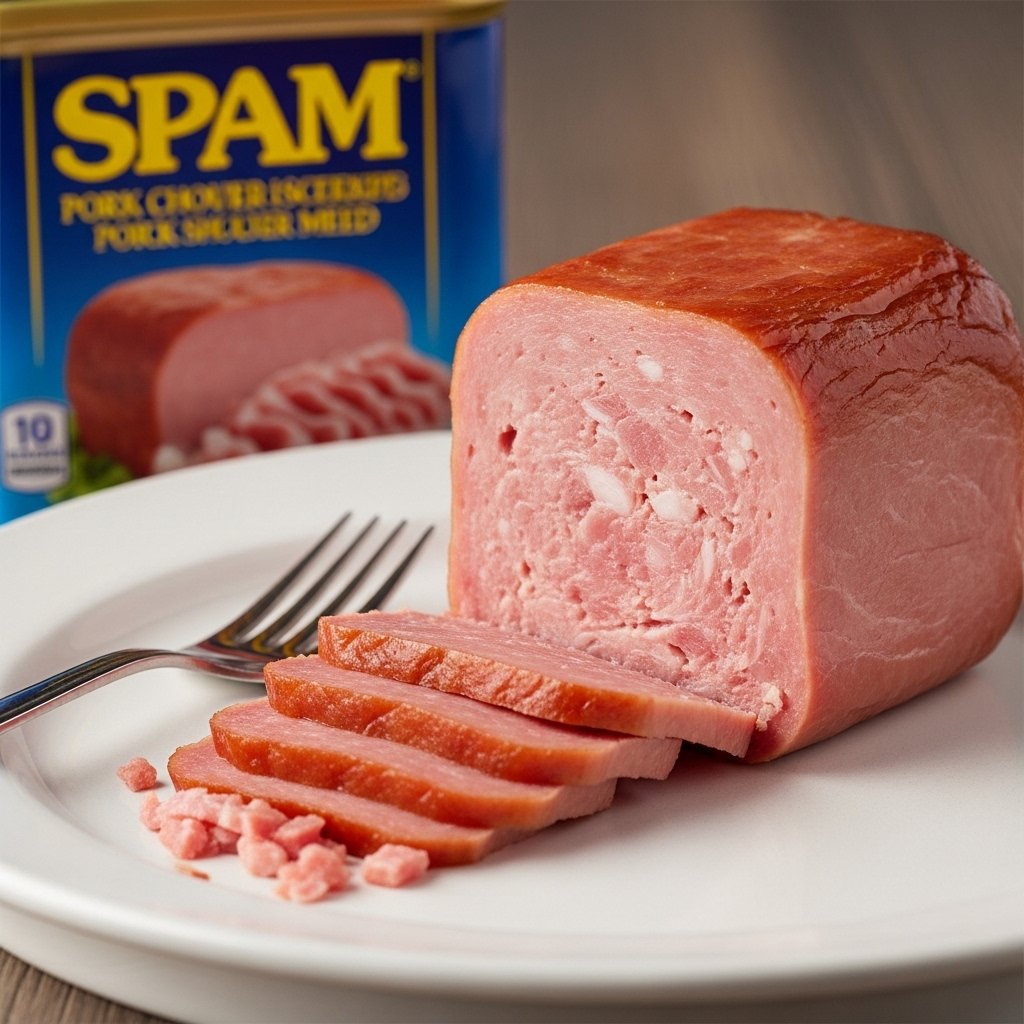
Spam is one of the world’s most recognizable canned foods—a product that inspires nostalgia, curiosity, jokes, and genuine culinary devotion. Despite the myths around it, classic Spam is made from a short, simple ingredient list and has a surprisingly rich history that spans war rations, pop culture, and global comfort food.
Here’s a fully rewritten, clearly structured version of your guide with smoother flow, fresh wording, and clean grammar.
What’s Really in a Can of Spam?
For all the rumors about “mystery meat,” classic Spam is made from just a handful of ingredients. The original formulation has stayed largely the same since it launched in the 1930s.
Core Ingredients in Classic Spam
- Pork with ham:
The primary component is pork shoulder blended with ham. Pork shoulder—now considered a desirable cut for its balance of lean and fat—helps give Spam its moist, hearty texture. The ham contributes a mild, familiar pork flavor and gentle sweetness. - Salt:
Used both as seasoning and as a traditional preservative. The relatively high salt level helps keep the meat safe and shelf-stable. - Water:
Helps hydrate and bind the meat mixture, contributing to Spam’s cohesive loaf-like texture. - Modified potato starch:
Acts as a binder so the meat and fat stay emulsified rather than separating in the can or after opening. - Sugar:
A small amount of plain sugar rounds out the flavor and softens the edges of the salt and savory notes. - Sodium nitrite:
A curing agent that helps retain an appealing pink color and inhibits the growth of dangerous bacteria.
That’s the full list for classic Spam. Some flavored varieties add extra seasonings or sweeteners, but the fundamental formula remains simple.
Where Does the Name “Spam” Come From?
The origin of the word “Spam” has become part of its mystique. Several theories have circulated:
- It might be short for “spiced ham,” even though the classic version doesn’t contain traditional spices beyond salt.
- Some speculate it stands for “Special Processed American Meat.”
- A popular story claims that during a naming contest at a party, someone blurted out “Spam!” after a few drinks—and the name stuck.
Hormel has never definitively confirmed any one story, which keeps the brand’s name surrounded by a bit of playful mystery.
A Brief History: From Wartime Ration to Icon
Spam was introduced by Hormel Foods in 1937, at a time when affordable, shelf-stable protein was in high demand. It quickly gained traction in the United States as an economical, ready-to-use meat.
Its real global breakthrough came during World War II and later the Korean War, when Spam became a major component of U.S. military rations. Because it was fully cooked, portable, and didn’t require refrigeration, it could be shipped and stored in conditions where fresh meat wasn’t possible.
After the wars, Spam remained embedded in many of the regions where it had been introduced. Over time, it evolved from a necessity into a comfort food and even a culinary icon:
- In the United States, especially the Midwest, it became a pantry staple and featured in casseroles and breakfast plates.
- In Hawaii, it’s so beloved that Spam musubi—a slice of fried Spam on rice, wrapped in seaweed—is ubiquitous at convenience stores and local eateries.
- In South Korea, it’s often used in budae jjigae (“army stew”), a rich, spicy hot pot born from post-war scarcity.
- In the Philippines, fried Spam with rice and eggs is a common breakfast.
- In parts of the UK and Pacific islands, Spam is a regular presence on the breakfast table.
Today, Spam is sold in dozens of countries and has a devoted following far beyond its original American audience.
Dispelling the “Mystery Meat” Myth
Spam’s uniform texture and long shelf life have led to countless jokes and myths about what might be inside the can. However, the company’s published ingredient list and food science basics paint a straightforward picture:
- The meat comes from pork shoulder and ham, not from offal, snouts, hooves, or other “scrap” parts.
- Potato starch is used as a binder, not as a filler to replace meat.
- Sugar and salt refine and preserve the flavor.
- Sodium nitrite is a standard curing ingredient used in many preserved meats.
While it is undeniably a processed meat, the “mystery” is more cultural than factual.
Nutritional Profile of Classic Spam
With its high fat and salt content, Spam is energy-dense and strongly flavored. Here’s an approximate nutritional snapshot for classic Spam per 100 g:
- Calories: ~310 kcal
- Protein: ~13 g
- Total fat: ~27 g
- Saturated fat: ~10 g
- Carbohydrates: ~3 g
- Sodium: ~1360 mg
- Cholesterol: ~70 mg
For a typical serving (about 56 g, or roughly 1/6 of a standard can), you’re looking at approximately:
- Calories: ~180
- Total fat: ~16 g (around a quarter of a typical daily value)
- Saturated fat: ~6 g
- Sodium: ~790 mg
- Protein: ~7 g
The higher levels of fat and sodium are part of what give Spam its taste, texture, and room-temperature stability. Spam also contributes small amounts of minerals such as iron, zinc, and magnesium, but it’s not designed as a “health food” and is best enjoyed in moderation.
Lighter and Alternative Spam Varieties
In response to changing nutritional preferences, Hormel has created several versions that tweak the fat and sodium content:
- Spam Lite:
Typically contains less total fat and fewer calories per serving, with reduced saturated fat and sodium, while aiming to preserve much of the original flavor. - Spam 25% Less Sodium:
Keeps the classic texture and fat level but drops the sodium by roughly a quarter to a third compared to the original. - Turkey-based versions:
Products like Spam Oven Roasted Turkey use turkey meat and broth for a lighter flavor and a lower-fat profile than classic pork Spam.
Beyond these, there are flavored options that add different seasonings or sweetness (for example, maple-flavored varieties or spicy versions), giving fans more ways to enjoy the product.
How Spam Is Made: From Meat to Can
While the exact process is proprietary, the general production steps are well known:
- Meat preparation: Pork shoulder and ham are trimmed and ground.
- Mixing: The meat is combined with water, salt, sugar, modified potato starch, and sodium nitrite until it forms a uniform mixture.
- Filling the cans: The blended mixture is portioned into rectangular metal cans, which give Spam its characteristic block shape.
- Sealing and cooking: Cans are sealed and then cooked under high heat and pressure. This “retorting” step fully cooks the meat, develops the gel-like layer, and ensures long-term shelf stability.
- Cooling and packing: After cooling, cans are labeled, checked, and boxed for distribution.
Because the product is fully cooked in the can, it can be eaten straight out of the tin or browned and crisped as part of a recipe.
Beyond the Blue Can: Popular Spam Varieties
Classic Spam remains the flagship, but the product line has expanded to reflect different tastes and cuisines. Popular variants include:
- Spam Lite: Lower fat and calories with a similar flavor.
- Spam Less Sodium: Reduced-salt version of the original.
- Spam Oven Roasted Turkey: Made with turkey for a leaner taste.
- Spam Maple Flavored: Mild sweetness suited to breakfast dishes.
- Spam with Bacon: Combines Spam’s texture with a smoky bacon note.
- Spam Teriyaki, Spam Jalapeño, and other regional flavors: Offer sweet, spicy, or umami twists inspired by Japanese, Korean, or other flavor profiles.
These varieties allow cooks to incorporate Spam into a wider range of recipes—from rice bowls and sandwiches to stir-fries and breakfast plates.
Spam in Culture and Global Food Traditions
Spam has a cultural footprint that’s disproportionately large for a canned meat:
- Comedy and language:
The Monty Python “Spam” sketch famously portrayed a menu overloaded with Spam, turning the brand into a comedy icon and indirectly lending its name to “spam” emails—unwanted digital messages that arrive in overwhelming quantities. - Hawaiian cuisine:
Dishes like Spam musubi (grilled Spam over rice wrapped in nori) are everyday favorites, sold everywhere from convenience stores to local cafés. - Korean comfort food:
Spam plays a starring role in budae jjigae (“army stew”), a spicy hot pot that blends Spam, sausages, instant noodles, kimchi, and vegetables—an inventive response to post-war scarcity that has become a beloved modern dish. - Filipino breakfasts:
Fried Spam with garlic rice and eggs is a popular, easy meal that bridges American influence and local tastes. - Festivals and fandom:
Events like Spamarama and various Spam-themed celebrations highlight its quirky, enduring appeal and inspire creative recipes and competitions.
From survival ration to nostalgic comfort food, Spam has evolved into a global ingredient with loyal fans and a distinctive place in food culture.o fancy prep, just real food that saved dinner and sparked smiles around the table.
FAQs
Is Spam pork or mystery meat?
Spam contains ground pork shoulder, ham, salt, water, potato starch, sugar, and sodium nitrite—simple pork basics, no fillers.
Does Spam need refrigeration before opening?
No, canned Spam stays shelf-stable for years unopened. Refrigerate after opening and use within 3-5 days.
Can you eat Spam straight from the can?
Yes, it’s fully cooked and safe cold, but frying enhances flavor and texture dramatically.
What’s the healthiest way to cook Spam?
Air-fry or pan-fry with minimal oil to drain excess fat; pair with veggies for balanced nutrition.
Is Spam gluten-free?
Classic Spam is gluten-free, but check labels for flavored varieties that may contain additives.
How long does opened Spam last in the fridge?
3-5 days in an airtight container; slice thinly to extend shelf life in salads or sandwiches.