
Orchid Yellow Leaves: 7 Common Causes & Easy Fixes for Healthy Plants
Orchid Yellow Leaves: 7 Common Causes & Easy Fixes for Healthy Plants
SEO Title
Orchid Leaves Turning Yellow? Expert Causes, Fixes & Prevention
Meta Description
Orchid leaves turning yellow? Learn expert-backed causes, clear diagnosis steps, and proven fixes to restore your orchid’s lush green leaves and prevent future problems.
Full Article
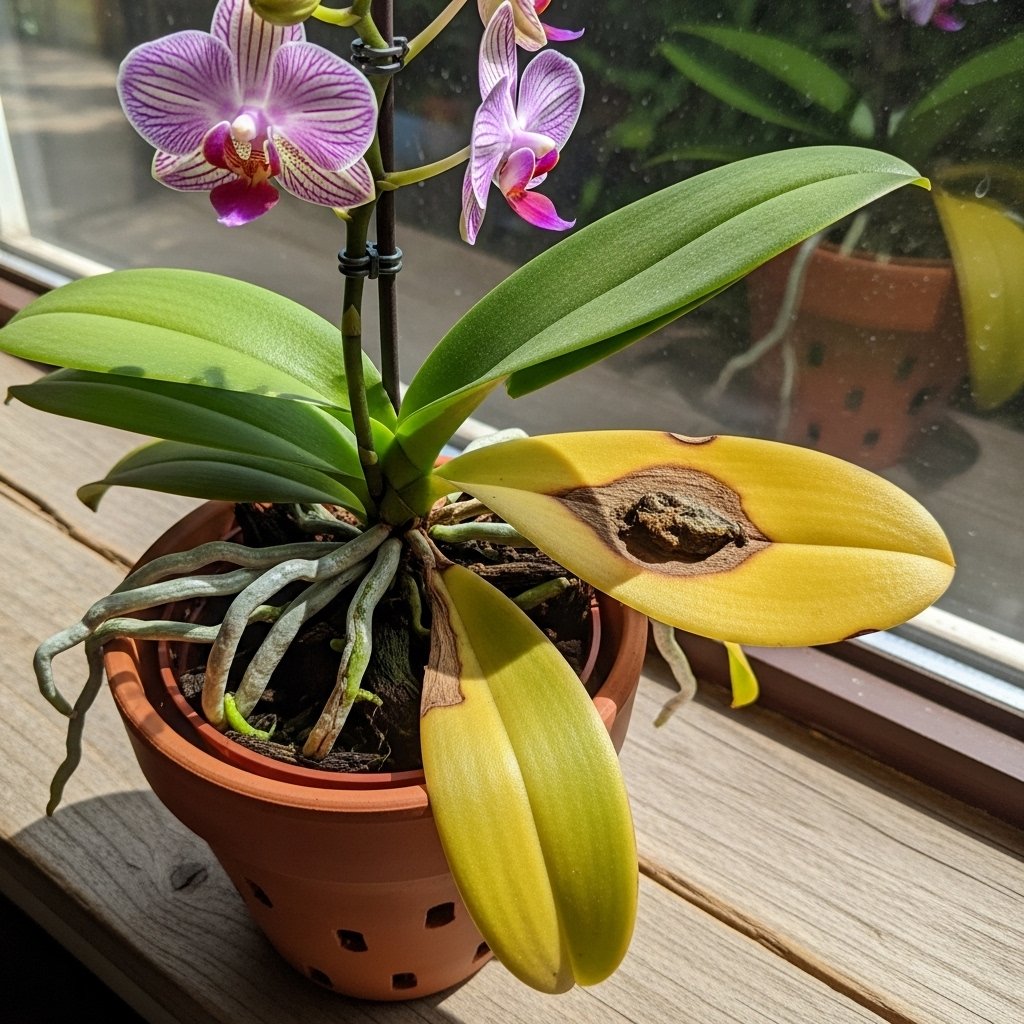
Yellow leaves on an orchid are one of those issues every grower meets sooner or later. Sometimes it’s completely normal—old leaves age out and drop. Often, though, yellowing is your orchid’s way of saying something important is off with water, light, temperature, potting mix, or nutrients. The good news is that once you match the exact yellowing pattern to its cause, you can usually correct the problem and save the plant.
This guide walks through the main reasons orchid leaves turn yellow, how to diagnose them at home, what to fix first, and how to prevent the issue from returning. The focus is on common indoor orchids like Phalaenopsis, but most principles apply broadly with minor adjustments.
Step 1: When Yellow Leaves Are Normal
Before you panic, ask: Is my orchid just shedding an old leaf?
Normal, age‑related yellowing looks like this:
- Only the lowest, oldest leaf turns uniformly yellow, then slowly dries and drops.
- Newer leaves at the top are firm, green, and healthy.
- Roots appear plump and silvery‑green when moist, not brown and mushy.
Orchids regularly sacrifice older leaves to redirect resources to new growth and flowers. If everything else looks robust and only one or two bottom leaves are yellowing over time, this is probably just natural aging—not a care mistake.
If multiple leaves yellow at once, or younger leaves are affected, move on to the troubleshooting steps below.
Step 2: Check Watering and Roots (Most Common Cause)
Overwatering is the single biggest reason orchid leaves turn yellow. Their roots evolved to cling to bark and breathe, not sit in heavy, wet potting soil.
Signs of Overwatering
- Several leaves yellow from the base or show yellow patches that spread.
- Leaves may feel limp or leathery, not firm, even though the potting mix is wet.
- Roots inside the pot look brown or black, mushy, or hollow instead of plump and green/silvery.
- Potting mix stays soggy for many days or smells sour.
What’s happening: Soggy media suffocates roots and leads to root rot, so the plant can’t absorb water or nutrients; leaves yellow as the orchid cannibalizes its own foliage.
Fixing Overwatering
- Unpot and inspect roots. Gently remove the orchid from its pot and rinse away old media to see the root system.
- Trim rotten roots. Cut off all brown, black, mushy, or hollow roots with sterilized scissors, leaving only firm, white / green tissue.
- Repot correctly.
- Use a pot with lots of drainage and ventilation slots.
- Choose orchid bark mix or high‑grade sphagnum moss, not standard potting soil.
- For bark mixes, ensure at least 25% perlite or charcoal for aeration.
- Water properly. When you resume watering, “through‑water” the plant—soak until water runs freely from the drainage holes, then let excess drain; do not let it sit in water.
Then adjust your routine: water only when the media is approaching dry, not on a fixed schedule. For many Phalaenopsis in bark, that’s roughly once a week in average indoor conditions.
Underwatering and Dehydration
Underwatering can also cause yellowing, often alongside wrinkled, limp leaves. If the potting mix is bone‑dry and roots look shriveled and grey rather than plump, your orchid is likely dehydrated.
Fix by thoroughly soaking the pot (let it drain afterward), then adopt a more regular, deep‑watering pattern—never just a light sprinkle at the surface.
Step 3: Evaluate Light Levels
Orchids need bright, indirect light. Too much sun or too little can both lead to yellow leaves—just in different patterns.
Sunburn and Excess Light
Symptoms:
- Yellow patches or streaks on leaves that may turn white or brown and crispy in the center.
- Damage usually appears on the side of the plant facing the window or grow light.
Orchids that evolved under tree canopies can’t handle direct midday sun through glass.
Fix:
- Move the plant to an east window, bright north window, or slightly back from a south/west exposure so it gets bright but filtered light.
- Use sheer curtains or a light shade cloth if necessary.
Sunburned patches won’t turn green again, but as long as the damage is limited, new leaves should emerge healthy.
Too Little Light
Insufficient light can also cause generalized yellowing or pale, dull leaves, along with weak flowering.
Clues:
- Leaves are light yellow‑green overall instead of a rich medium green.
- Flowering is infrequent or non‑existent, and the plant stretches toward the light.
Fix: move the orchid closer to a bright window, or supplement with a grow light providing gentle, indirect intensity.
Step 4: Check Temperature and Drafts
Orchids are tropical at heart, and their leaves protest when kept too cold or exposed to abrupt temperature swings.
Cold Stress
- Leaves can turn yellow or develop yellow spots after exposure to temperatures below about 15 °C (60 °F) for extended periods.
- Chilling near drafty windows, fans, or AC vents is a common indoor culprit.
Heat Stress
- High temperatures, particularly coupled with strong light, can scorch leaves, leading to yellowing and brown burn patches.
For most common orchids, aim for about 18–24 °C (65–75 °F) during the day and a slight drop at night, while avoiding cold drafts and hot blasts. Move plants away from open winter windows, radiators, or direct AC flow.
Step 5: Consider Nutrient Problems and Old Media
Nutrient Deficiencies
Lack of nitrogen, magnesium, or other key nutrients can cause pale, yellowish foliage and poor growth.
- General chlorosis (uniform yellowing), especially on newer leaves, often points to nitrogen deficiency.
- Interveinal yellowing (veins stay green, tissue between them yellows) can indicate magnesium or other micronutrient issues.
Fix:
- Use a balanced, orchid‑specific fertilizer at low strength (“weakly, weekly”) during active growth.
- Avoid over‑fertilizing—orchids are adapted to low-nutrient environments and can be burned by heavy applications.
Old, Decomposed Potting Mix
Over time, bark or moss breaks down, becoming dense and acidic; this reduces aeration and interferes with nutrient uptake, leading to yellowing leaves even if your routine looks correct.
A classic sign: one plant in old media has progressively yellowing older leaves, while another in fresh media looks darker green and vigorous.
Fix: Repot into fresh orchid mix every 1–2 years (or sooner if bark looks spongy, smells sour, or retains water for too long), trimming any weak roots in the process.
Step 6: Rule Out Pests and Disease
Pests
Sap‑sucking insects like scale, aphids, mealybugs, and spider mites can cause yellow speckling, patches, or general decline as they drain nutrients.
Signs include:
- Sticky residue (honeydew) on leaves.
- Tiny bumps (scale), cottony masses (mealybugs), or fine webbing (mites).
Fix:
- Rinse leaves gently with a strong but controlled stream of water to dislodge pests.
- Treat with insecticidal soap or neem oil, repeating as needed and always following label instructions safe for orchids.
Fungal or Bacterial Disease
Local yellowing with soft, brownish or black centers may indicate a leaf spot disease.
- Trim affected areas with sterilized shears, cutting back to healthy tissue.
- Improve air circulation and avoid wetting leaves late in the day.
- For persistent issues, apply an appropriate fungicide or bactericide labeled for orchids.
Quick Diagnosis Table: What Your Yellow Leaves Are Saying
| Yellowing Pattern | Most Likely Cause | First Fix Step |
|---|---|---|
| Only oldest bottom leaf, slow change | Normal aging | Do nothing; monitor overall health |
| Multiple leaves yellow, roots mushy | Overwatering, root rot | Unpot, trim roots, repot in airy orchid mix |
| Yellow, wrinkled leaves, very dry media | Underwatering / dehydration | Deep soak, then water more consistently |
| Yellow patches with brown, crispy centers | Sunburn / too much direct light | Move to bright, indirect light, no midday sun |
| General pale yellow, poor growth, no blooms | Too little light or nutrient issue | Increase light; use weak orchid fertilizer |
| Yellow after cold draft or near AC / window | Temperature stress | Move to stable 18–24 °C spot |
| Yellow specks with sticky residue or pests | Insects (scale, aphids, etc.) | Rinse, treat with neem or insecticidal soap |
Prevention: Keeping Orchid Leaves Green and Healthy
Once you’ve rescued an orchid, prevention is about nailing the fundamentals:
- Water wisely. Water thoroughly, then let the medium approach dryness before watering again—never let roots sit in water.
- Use the right pot and mix. Clear pots with ample drainage and a quality bark or sphagnum mix keep roots aerated and easier to monitor.
- Aim for bright, indirect light. Think “bright window with sheer curtain,” not direct midday sun.
- Maintain stable temperatures. Keep orchids in a comfortable, draft‑free range around 18–24 °C (65–75 °F).
- Fertilize lightly in growth. Use a balanced orchid fertilizer at low doses while the plant is actively growing, and reduce or stop when it rests.
- Repot every 1–2 years. Refresh bark or moss before it decomposes and suffocates roots or throws off pH.
- Inspect regularly. A quick weekly check for color changes, spots, or pests lets you intervene before problems escalate.
Handled this way, occasional yellow leaves become a manageable part of orchid care—not a crisis.
FAQ Section
1. Should I cut off yellow orchid leaves?
If a leaf is uniformly yellow and clearly dying, you can remove it by cutting close to the stem with sterilized scissors; for leaves with only small yellow patches, address the underlying cause and let the plant shed them naturally.
2. Can overwatered yellow orchid leaves turn green again?
No; once tissue is fully yellow from root damage, it won’t re‑green. The goal is to stop the spread by fixing watering, repotting, and saving healthy roots so new leaves emerge green.
3. How often should I water my orchid to avoid yellow leaves?
There’s no fixed schedule; water when the potting mix is nearly dry but not bone‑dry—often about once a week in bark or every 7–10 days in moss, depending on light, temperature, and pot size.
4. Why are the tips of my orchid leaves turning yellow first?
Yellow tips can come from mild fertilizer burn, salt buildup, or early light/temperature stress; flush the pot with plain water, reduce fertilizer strength, and check for excessive sun or drafts.
5. My orchid’s lowest leaf turned yellow after repotting—is that normal?
Yes, mild transplant shock can cause an older leaf or two to yellow after repotting, especially if some roots were removed; as long as newer leaves stay firm and green, the plant should adjust.