
Classic Giblet Gravy Recipe
Classic Giblet Gravy Recipe
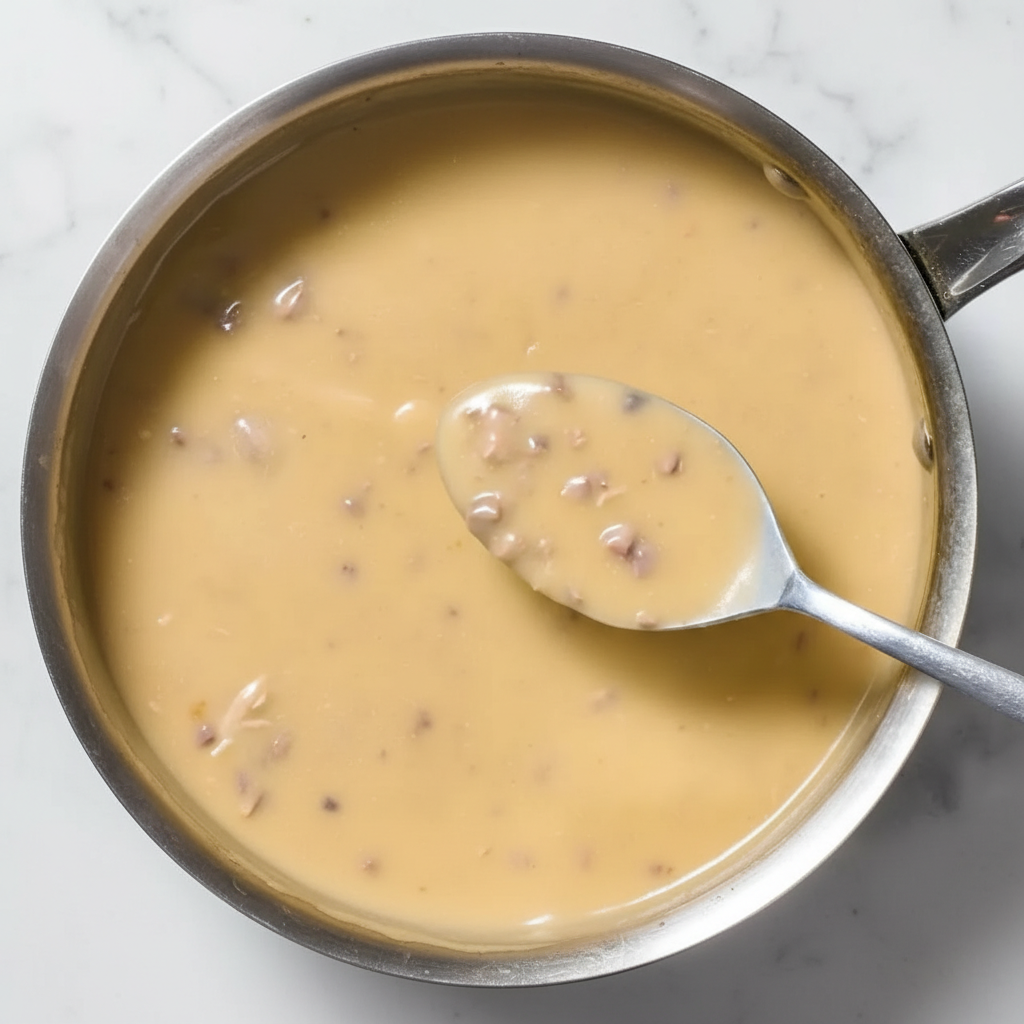
Giblet gravy is a traditional, deeply flavorful gravy made from the giblets that come tucked inside whole turkeys or chickens. These parts usually include the neck, heart, gizzard, and liver, all of which are simmered and combined with a roux and broth to create a rich, comforting sauce.
It’s a zero‑waste, old‑fashioned recipe that delivers more depth than drippings alone and has been a staple at holiday tables for generations, especially served over turkey, stuffing, and mashed potatoes.
Ingredients for Classic Giblet Gravy
This recipe uses the entire giblet packet from one turkey or chicken.
Core Ingredients
- Giblets from one bird:
- Neck
- Heart
- Gizzard
- Liver (use all or part, to taste)
- Fat:
- 4 tablespoons butter, or about 2 tablespoons oil plus extra as needed
- Flour:
- ½ cup all‑purpose flour (for the roux)
- Liquid:
- 3–4 cups turkey or chicken stock (or water, or a mix of stock and drippings)
- Hard‑boiled egg (optional):
- 1 egg, peeled and chopped, for traditional texture and richness
- Seasoning:
- Salt and black pepper, to taste
- Optional: 1 poultry bouillon cube for extra intensity
Optional Flavor Add‑Ins
- Poultry seasoning or dried thyme, sage, or rosemary
- Chopped onion, celery, or garlic
- Fresh herbs like parsley or thyme
- Carrot pieces for extra depth while simmering the giblets
Step-by-Step: How to Make Old-Fashioned Giblet Gravy
1. Prepare the Giblets
- Remove the giblet packet and neck from inside the turkey or chicken.
- Rinse them under cold water and pat dry.
- Trim away any loose fat or tough bits if desired.
You can use all the giblets, but if you prefer a gentler flavor, use only part of the liver or add it toward the end of simmering.
2. Brown the Giblets
- In a medium saucepan, heat 2–4 tablespoons butter or oil over medium heat.
- Add the neck, heart, gizzard, and liver.
- Brown on all sides, about 2–4 minutes per side, until lightly golden and fragrant.
Browning builds flavor for the final gravy.
- Remove the giblets to a plate to cool slightly.
3. Chop the Giblets and Neck Meat
- Once cool enough to handle:
- Finely chop the heart, gizzard, and liver into small pieces.
- Use a fork or your fingers to pull meat from the neck, discarding the bone.
Set chopped giblets and neck meat aside; you’ll add them back after starting the gravy base.
4. Make the Roux (Gravy Base)
- If the pan looks dry, add enough butter to have about 4 tablespoons fat total in the pan.
- Sprinkle in ½ cup all‑purpose flour.
- Whisk constantly over medium heat for 1–2 minutes until smooth and lightly golden.
This cooks off raw flour flavor and forms the thickening base for your gravy.
5. Add the Stock and Bring to a Simmer
- Slowly pour in 3–4 cups turkey or chicken stock (or water), whisking continuously to avoid lumps.
- Start with 3 cups; you can add more later if you prefer thinner gravy.
- Bring the mixture to a gentle simmer over medium heat.
At this stage you can also add:
- A poultry bouillon cube (if using)
- A small handful of chopped onion, celery, or carrot for extra flavor (optional)
6. Simmer With the Giblets
- Add the chopped giblets and neck meat back into the pan.
- Reduce heat to low and let the gravy simmer, uncovered, for 30–40 minutes.
This gentle simmer:
- Softens the giblet pieces
- Deepens the flavor
- Allows the gravy to thicken
Stir occasionally and scrape the bottom to prevent sticking. Adjust thickness by adding more stock if it gets too thick, or by simmering a bit longer to reduce.
7. Finish and Season
- Remove and discard the neck bone if any remains.
- Stir in the chopped hard‑boiled egg (if using) for traditional Southern‑style giblet gravy.
- Season to taste with salt and black pepper.
- Add herbs or poultry seasoning if desired and taste again.
If you prefer a smoother gravy, you can:
- Strain out solids for a velvety texture, or
- Blend part of the gravy and mix back in.
8. Serve Hot
- Transfer to a warmed gravy boat or bowl.
- Serve over:
- Roast turkey or chicken
- Stuffing/dressing
- Mashed potatoes
- Biscuits, rolls, rice, or noodles
Giblet gravy is best served hot and freshly made, but it also reheats well.
Pro Tips and Variations for Giblet Gravy
After roasting your turkey, skim fat from the pan drippings and stir some or all into the giblet gravy for extra richness and roasted flavor.
Adjust the liver amount:
Liver has a stronger flavor. Use all of it for a bolder, more traditional gravy, or use only part (or omit) for a milder profile.
Use good stock:
Homemade turkey or chicken stock gives the deepest flavor, but store‑bought broth works too. If using low‑sodium stock, you can season more precisely.
No flour on hand?
Use cornstarch: Mix 2–3 tablespoons cornstarch with cold water to create a slurry, then whisk into the simmering stock until thickened.
This yields a glossy, gluten‑free gravy.
Make ahead:
Prepare the gravy earlier in the day or the day before.
Thin with drippings from the roasted bird and adjust seasoning when reheating.
With drippings:
FAQs
What are giblets in gravy?
Giblets are the turkey’s heart, gizzard, neck, and liver, used for a rich stock base.
Can I make giblet gravy without eggs?
Yes, omit eggs for a smoother texture; flavor stays robust and savory.
How long does giblet gravy last in the fridge?
Up to 4 days in an airtight container; reheat gently on the stovetop.
Is giblet gravy gluten-free?
Substitute flour with a cornstarch slurry; use gluten-free stock for safety.
What’s the best thickener for giblet gravy?
Rouxing equal amounts of butter and flour yields the smoothest, lump-free results.