
Coffee Grounds for Plants: A How-To Guide
Coffee Grounds for Plants: A How-To Guide
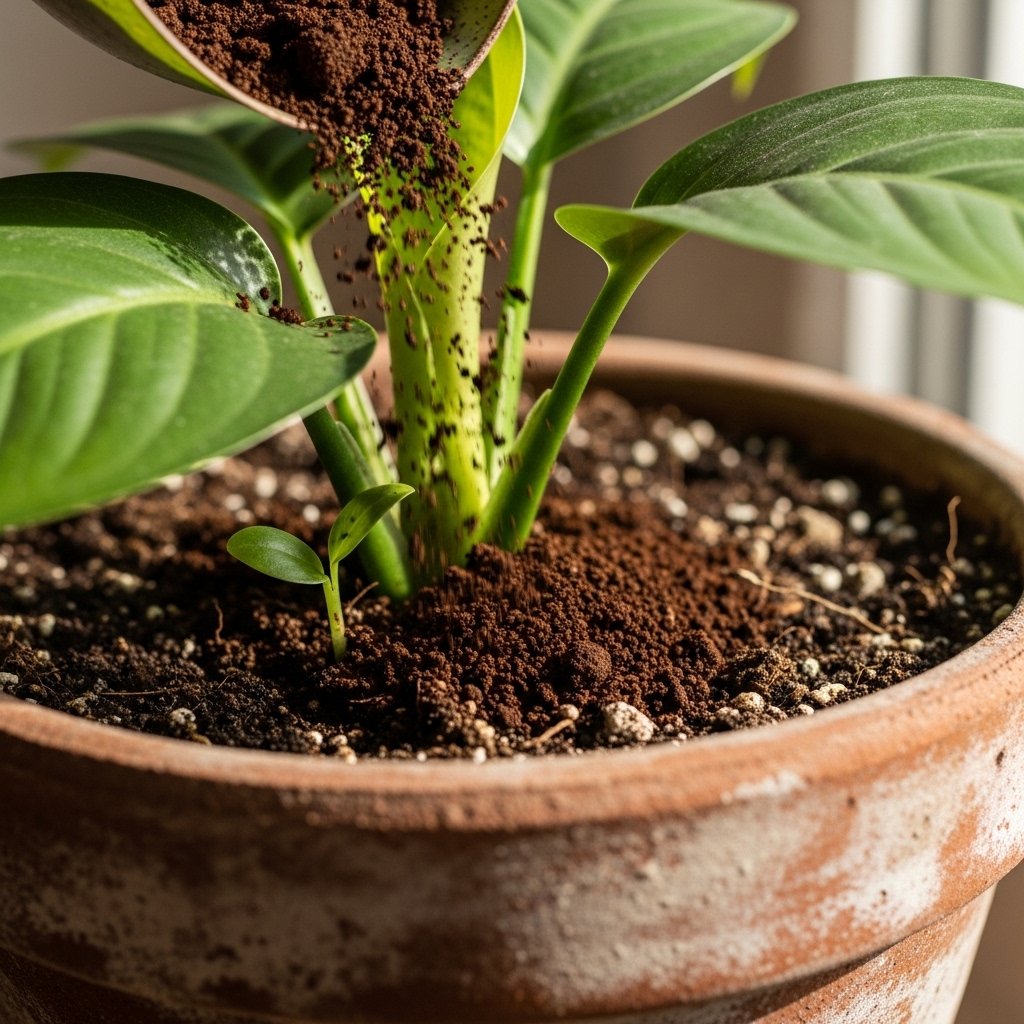
Turn your kitchen waste into garden gold. Used coffee grounds pack nutrients that boost plant health when applied right.
Why Coffee Grounds Benefit Plants
Coffee grounds provide nitrogen, which helps plants grow thick, green leaves. They also add potassium, phosphorus, and small amounts of iron, magnesium, and zinc.
As coffee grounds decompose, they help the soil breathe and drain more effectively. This can stop roots from rotting in heavy or wet soil.
Coffee grounds help the soil retain water, which benefits plants that prefer moisture. They also encourage helpful microbes that can fight soil diseases.
Key Nutrients in Coffee Grounds
Coffee grounds have an NPK ratio of about 2:0.3:0.3. The nitrogen helps leaves grow, and the potassium supports strong roots.
They also contain small amounts of boron, copper, and calcium. These nutrients help plants stay healthy without the need for chemical fertilizers.
Used coffee grounds have a pH close to neutral (6.5-6.8), making them suitable for most gardens. Fresh grounds are more acidic and less suitable.
Best Plants for Coffee Grounds
Plants that like acidic soil, such as azaleas, rhododendrons, blueberries, and camellias, do especially well. Their roots take in nutrients easily.
Popular indoor plants like philodendrons, pothos, peace lilies, and snake plants also benefit. Palms and jade plants do well when coffee grounds are sprinkled on top of the soil.
Garden favorites such as roses, tomatoes, carrots, and hostas respond quickly to the extra nutrients, showing greener and healthier growth.
Plants to Avoid Coffee Grounds With
Avoid using coffee grounds with succulents, cacti, and lavender. These plants like dry, alkaline soil and can rot if the soil stays too wet.
Ferns and rosemary do not tolerate changes in soil texture. Drought-tolerant plants such as yarrow also do not respond well.
Using too many coffee grounds can compact the soil and harm any plant. Try them in a small area first, especially with sensitive plants.
Preparing Coffee Grounds Properly
Only use coffee grounds that have already been brewed. Fresh grounds are too acidic and have too much caffeine, which can damage roots.
Spread wet coffee grounds on trays and let them dry completely. This helps prevent mold growth and keeps them from sticking together during storage.
Store dried grounds in bags that allow air to enter for up to six months. If the grounds are oily, rinse them first to prevent pests.
Method 1: Add to Compost Pile
Mix coffee grounds into the green layer of your compost at 10-20%. The nitrogen in the grounds helps the compost break down faster.
Add brown materials, such as leaves or straw, to balance the compost. Turn the pile every week so everything breaks down evenly into rich soil.
Result: Nutrient-dense compost for veggie beds. Apply 2 inches around plants in spring.
Method 2: Direct Soil Mixing
Mix 1-2 tablespoons of coffee grounds into each gallon of soil. Dig them into the top 6 inches of your flower beds or pots.
It’s best to do this in spring or fall. You can add more every 4-6 weeks as your plants grow.
Coffee grounds gently loosen heavy clay soils and encourage more earthworms over time.
Method 3: Mulch Application
Sprinkle a thin layer, about a quarter inch, of coffee grounds around plant stems. Mix them with leaves or bark to prevent clumping.
This helps keep roots cool and moist during summer. The rough texture also helps deter slugs.
Add fresh grounds each month and gently rake the area to keep air moving through the soil.
Method 4: Coffee Ground Tea Fertilizer
Soak 2 cups of coffee grounds in 5 gallons of water for three days. Then strain and mix the liquid with an equal amount of water before using.
This liquid fertilizer is effective for container plants such as tomatoes, peppers, and leafy greens. Water them with it every two weeks to boost your harvest by 15-20%.
Stir the mixture daily to prevent it from smelling bad. If you have hard tap water, use rainwater for better results.
Pest Control with Coffee Grounds
Sprinkle coffee grounds around young plants to deter slugs, snails, and ants. The caffeine and rough texture form a barrier.
Coffee grounds can also stop cats from digging in your garden beds. Add more after it rains to maintain the effect.
Coffee grounds are not a complete insect solution. For pests such as aphids or wasps, use them alongside neem oil.
Common Mistakes and Fixes
Don’t spread coffee grounds in thick layers, as this can block water and air from reaching the soil. Use thin layers to avoid compacting the soil.
Do not use fresh coffee grounds, as they make the soil too acidic. Always use grounds that have already been brewed.
Overusing coffee grounds can cause yellow leaves or root rot. Add them to each plant only once or twice per season.
Check your soil pH annually. If the coffee grounds make it too acidic, add some lime to balance it out.
How Often to Apply Coffee Grounds
Once or twice in spring/summer for most plants. Dormant seasons need none.
Monitor growth: pause if leaves curl or soil stays soggy. Less is more for pots.
Refreshing the soil once a year is enough for garden beds. You can also switch between coffee grounds and other organic materials, such as worm castings.
Gardening Tips for Success
Ask local cafes for used coffee grounds if you need a lot. Freeze any extra grounds to keep them fresh.
Mix coffee grounds with crushed eggshells to add calcium. This combination works like a slow-release fertilizer for tomatoes.
Keep a journal to track your results. Write down which plants you used coffee grounds on, how much you used, and what happened so that you can adjust your approach.
Frequently Asked Questions
Are coffee grounds acidic for plants?
Used coffee grounds are slightly acidic (pH 6.5-6.8) and safe for most plants. Fresh grounds are too acidic, so it’s best not to use them.
What plants love coffee grounds most?
Plants that prefer acidic soil, such as blueberries, roses, and azaleas, benefit from coffee grounds. Indoor plants like pothos and philodendrons also thrive.
Can coffee grounds kill slugs?
Yes, the rough texture and caffeine in coffee grounds help deter slugs. Sprinkle a thin layer around your plants.
How do you make coffee ground fertilizer?
Soak 2 cups of coffee grounds in 5 gallons of water for three days. Strain the mixture, dilute it with more water, and use it to water your plants.
Do coffee grounds attract pests to gardens?
Coffee grounds rarely attract pests. Dried grounds can deter ants and slugs. If the grounds are wet, they might attract flies, so dry them first.