
Japanese Maple Care: Expert Planting, Pruning & Maintenance Guide
Japanese Maple Care: Expert Planting, Pruning & Maintenance Guide
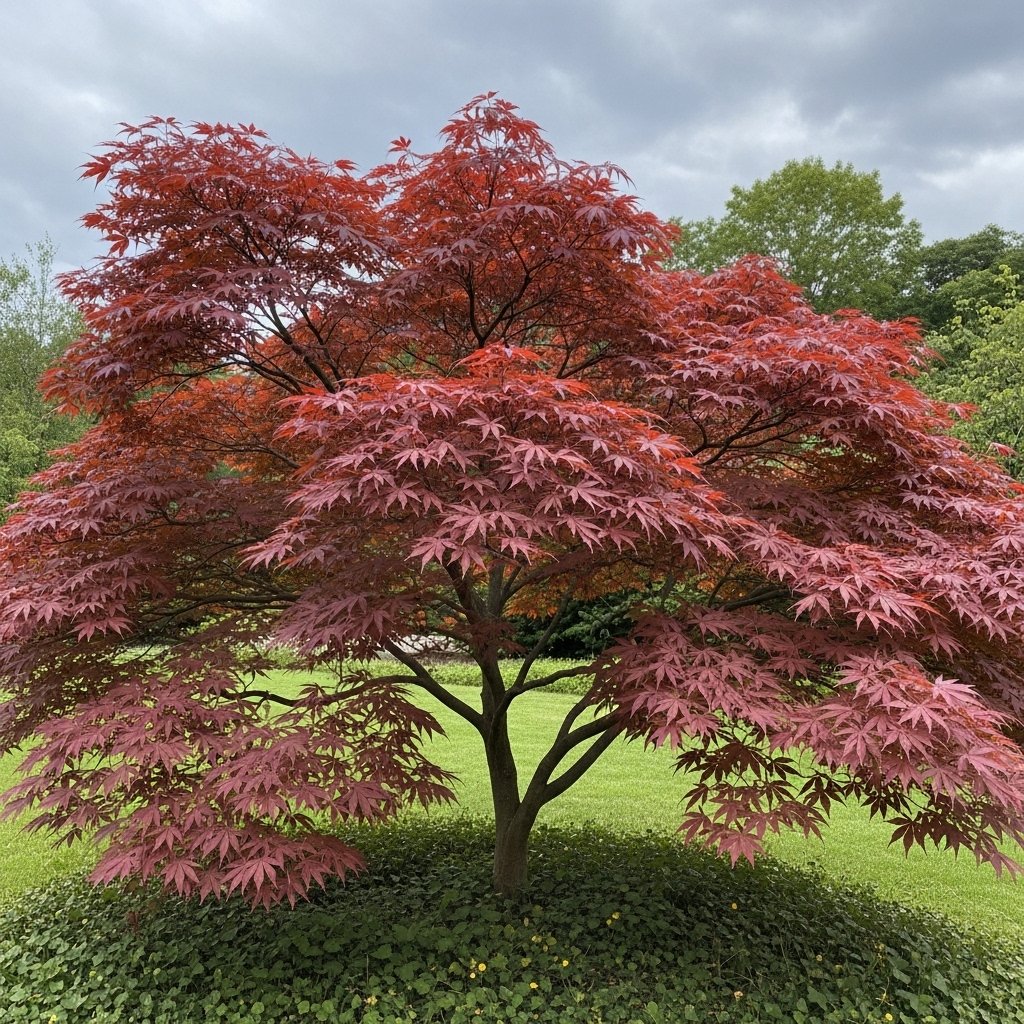
Japanese maples (Acer palmatum) add beautiful color and shape to any garden. With the right care, these trees reward you with bright fall leaves and fresh spring growth. Learning their needs helps keep them healthy and attractive for years.
Selecting the Right Variety
Pick varieties that match your climate and available space. Upright types like ‘Bloodgood’ are good for bigger yards and can grow 15-20 feet tall. Weeping varieties like ‘Crimson Queen’ are better suited to small gardens or containers and typically stay under 10 feet.
Dwarf varieties like ‘Sharp’s Pygmy’ are great for patios. Think about leaf color—red, green, or variegated—for interest all year. Choose hardy types for your USDA zone (usually 5-8) to protect them from winter damage.
Ideal Planting Locations
Plant your tree in partial shade to protect its delicate leaves from strong afternoon sun. Morning sunlight with shade later in the day helps prevent leaf scorch, especially in warm areas. Use well-draining, slightly acidic soil with a pH of 5.5-6.5.
Avoid windy spots that dry out foliage. In full sun areas, select sun-tolerant types like ‘Sango Kaku’. Space trees 10-15 feet apart from structures to allow root and branch growth.
Step-by-Step Planting Guide
Dig a hole twice as wide as the root ball, but not deeper. Set the tree so the root flare is level with the soil; do not bury it. Fill the hole with a mix of native soil and compost for extra nutrients.
Water deeply after planting to help the soil settle. Apply 2-3 inches of mulch around the base, keeping it 2 inches from the trunk to prevent rot. Plant in early spring or fall for best root establishment.
Watering Essentials
New Japanese maples need regular moisture. Water them deeply once or twice a week, ensuring the top 6 inches of soil remain damp but not waterlogged. Older trees handle dry periods better but still require supplemental water during droughts.
Use drip irrigation or soaker hoses to target roots and avoid wet leaves. Check containers daily—potting mix dries faster. Reduce watering in winter when trees are dormant.
Mulching Best Practices
Mulch helps retain soil moisture and stabilize soil temperature. Use shredded bark or pine needles, spreading 2-4 inches thick in a 3-foot circle around the trunk. Add more mulch each year to keep the right depth.
Mulch also prevents weeds from competing for water and nutrients. Do not pile mulch high against the trunk, as this can attract pests and disease.
Fertilizing Schedule
Fertilize lightly to avoid weak growth. Use a slow-release, acid-loving fertilizer such as 10-10-10 in early spring, just before the buds open. Thoroughly mix it into the topsoil and water.
Skip summer feeding to harden off new growth for winter. Over-fertilizing burns roots and reduces color vibrancy. Test soil pH yearly to guide amendments.
Pruning Techniques
Prune your tree in late winter, when it is dormant, to shape it and remove any problems. Use clean, sharp tools to cut away dead, diseased, or crossing branches back to a bud or branch collar—thin out crowded spots to improve air flow.
Avoid heavy removal. Do not remove more than 20% of the tree at one time. For upright types, lift the canopy slowly. Weeping varieties only require minimal shaping to maintain their natural look. Disease Control
Look out for aphids, scale, and mites, which can cause sticky residue or curled leaves. Spray them off with strong water or use insecticidal soap. Japanese beetles chew on leaves; you can pick them off by hand or use neem oil.
Verticillium wilt causes branches to wilt; remove affected parts and ensure the soil drains well. Fungal diseases such as anthracnose cause leaf spots. Rake up fallen leaves and keep trees spaced out for better air flow.
Summer Protection Strategies
Intense heat stresses Japanese maples. Provide temporary shade cloth during peak sun in hot regions. Mulch heavily and water deeply in the early morning to reduce evaporation.
Watch for leaf scorch; brown edges mean the tree is getting too much sun or not enough water. On humid days, mist the leaves lightly to increase humidity around the tree.
Fall and Winter Preparation
In the fall, Japanese maples show bright reds and oranges. Keep the soil evenly moist to protect these colors. Rake up fallen leaves to prevent rot. In cold climates, wrap young trunks in burlap to protect against sunscald and rodents.
Water your tree before the ground freezes to stop it from drying out in winter. Do not prune late in the season, as this can cause new growth that is easily damaged by frost.
Container Growing Tips
Japanese maples do well in pots on patios. Choose large containers (at least 20 gallons) with drainage holes. Change the soil every 2-3 years in spring and trim the roots a little each time.
Place pots together to protect them from the wind. Raise them on pot feet to prevent root rot. In winter, move pots to sheltered spots or wrap them for insulation.
Propagation Basics
You can grow Japanese maples from seed for more variety, but this takes time. Chill the seeds for 90 days before planting. Softwood cuttings root faster in summer; dip them in rooting hormone and keep them moist. Experts graft most commercial trees.
Troubleshooting Common Issues
Yellow leaves typically indicate the tree needs more iron; add chelated iron. If the tree is tall and thin, it may need more light; move it if you can. Stunted trees may need more water or nutrients, so check the soil depth.
If your tree looks weak, check the roots for circling or compacted growth. Help it recover by lightly pruning and properly feeding it.
Companion Planting Ideas
Plant hostas or ferns under your maple for good shade groundcover. Azaleas also like acidic soil and add colorful blooms. Do not plant grasses nearby, as they compete for water.
Long-Term Maintenance
Annual inspections catch problems early. Adjust care as trees mature—older ones need less water. Expect 50+ years of beauty with consistent habits.
FAQs
How often should I water a Japanese maple?
Water deeply weekly for new trees; reduce to biweekly for established ones during dry spells.
When is the best time to prune Japanese maples?
Prune in late winter while dormant to shape safely without stressing new growth.
Can Japanese maples grow in full sun?
Some varieties tolerate full sun, but most prefer partial shade to avoid leaf scorch.
What fertilizer is best for Japanese maples?
Use slow-release acid-loving formula in early spring; avoid high-nitrogen types.
How do I protect Japanese maples in winter?
Mulch roots heavily and wrap trunks in cold zones to shield from freeze-thaw cycles.