
Slow Roasted Turkey Recipe: Juicy, Tender & Foolproof (Oven Method)
Slow Roasted Turkey Recipe: Juicy, Tender & Foolproof (Oven Method)
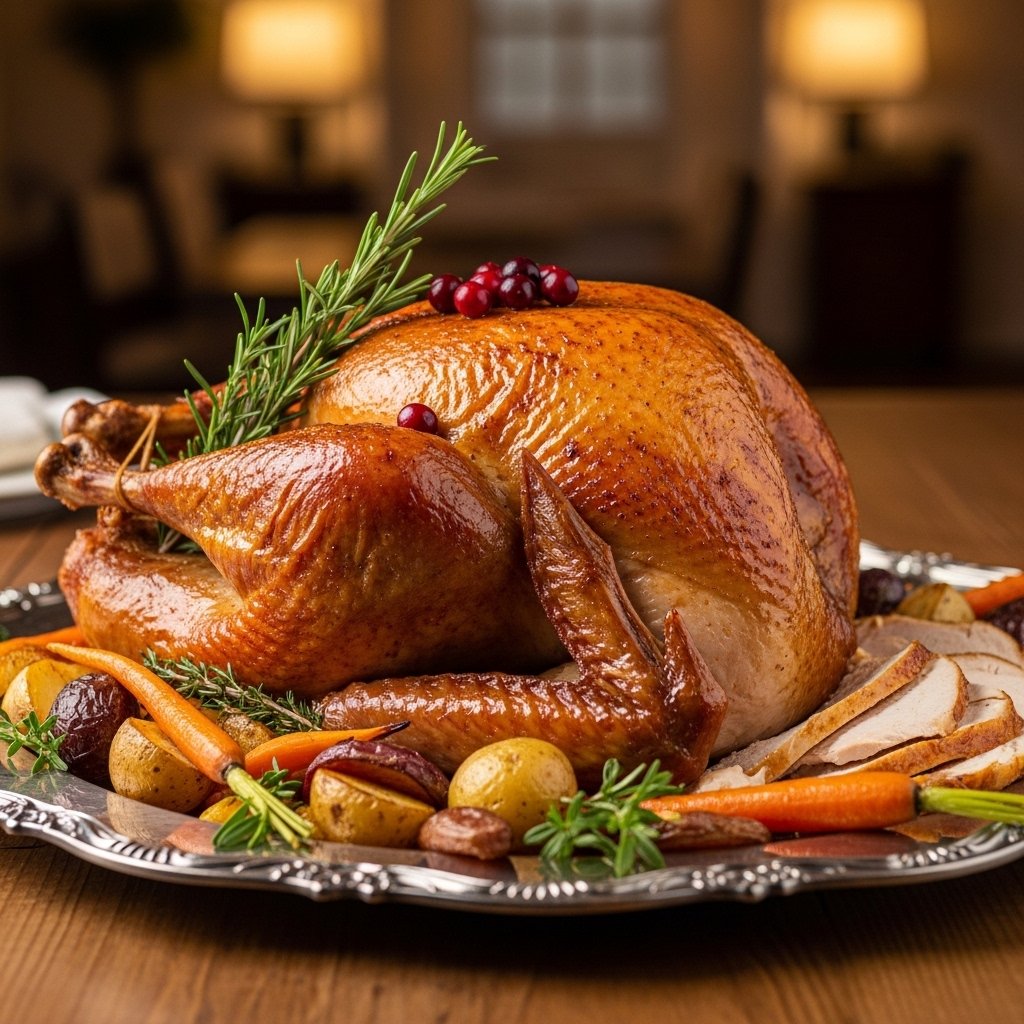
For many home cooks, roasting the Thanksgiving or Christmas turkey is a cherished tradition. If you want a turkey that’s both impressively golden and incredibly juicy, the slow-roasted method is hard to beat. By roasting your turkey low and slow, then finishing at high heat, you get tender, moist meat and beautifully crisp skin—with less last-minute stress.
This guide walks you through exactly how to prep, season, roast, and finish a slow-roasted turkey so it can take pride of place at your holiday table.
Why Choose a Low and Slow Roast Turkey?
This slow-roasted turkey recipe offers several key advantages:
- Juicier meat: Gentle, extended roasting helps prevent dryness and keeps white and dark meat moist.
- Crispier skin: A final blast of high heat creates deeply golden, crackling skin.
- Flexible timing: Long, mostly hands-off roasting gives you time to focus on side dishes and guests.
- No special equipment needed: Simple ingredients and basic kitchen tools are enough—optional steps can enhance results further.
If you’ve ever worried about a dry turkey or stressful, last-minute cooking, this method is designed to make the process smoother and more forgiving.
Ingredients & Equipment for Slow-Roasted Turkey
Turkey & Flavorings
- Whole turkey:
About 14 pounds, adjusted based on how many people you’re feeding. - Butter (high-fat, European-style if possible):
4 oz (1 stick), softened. Brands like Plugrá or Kerrygold are excellent, but any good unsalted butter works. - Lemons:
5, halved, used as aromatics inside the cavity. - Fresh herbs:
About 4 sprigs each of rosemary, sage, and thyme. - Kosher salt & freshly ground black pepper:
To taste—be generous for best flavor. - White wine:
1 cup, poured into the roasting pan for moisture and flavorful pan juices.
Essential Equipment
- Roasting pan with rack:
Keeps the turkey elevated so air can circulate and the skin browns evenly. - Kitchen twine:
For trussing the legs and improving presentation and even cooking. - Meat thermometer (instant-read or probe):
Critical for checking doneness safely and accurately.
Optional “Level-Up” Tools
- Ample refrigerator space for air-drying the turkey (for extra-crispy skin).
- A second oven if you want to roast sides separately without juggling temperatures.
- A roasting bag or extra foil for unconventional ovens (though not needed for the standard method).
Step 1: Prep the Turkey (Air-Dry & Season)
Good results start well before the turkey goes in the oven.
Air-Drying the Turkey (Highly Recommended)
For the crispiest skin:
- Unwrap the turkey (remove giblets and neck if included).
- Rinse briefly if desired, then pat very dry inside and out with paper towels.
- Place the turkey on a tray or pan, breast-side up.
- Refrigerate uncovered for 24–48 hours.
This air-drying step allows surface moisture to evaporate, which helps the skin brown and crisp. If you’re short on time, at least dry the bird thoroughly just before seasoning and roasting.
Step 2: Truss, Butter, and Add Aromatics
Tuck Wings and Tie Legs
- Tuck or fold the wing tips under the body to prevent them from burning.
- Tie the legs together with kitchen twine to help the turkey cook evenly and look neat.
Butter & Season the Turkey
- Rub the softened butter all over the turkey, including under the breast skin where you can gently loosen it with your fingers.
- Generously season the cavity and the outside of the bird with kosher salt and black pepper.
Stuff with Herbs and Lemon
- Stuff the turkey cavity with halved lemons and sprigs of rosemary, sage, and thyme.
- Place the turkey on a rack in your roasting pan, breast-side up.
- Pour the 1 cup of white wine into the bottom of the pan. This will help keep the environment moist and create flavorful drippings for gravy.
Step 3: Low and Slow Roasting (The Long Roast)
Preheat and Roast at Low Temperature
- Preheat your oven to 250°F (120°C).
- Place the turkey (on its rack) on the center rack of the oven.
Roast Time and Basting
- Slow-roast for about 10 hours, depending on your bird size and oven.
- Baste the turkey with pan juices about every hour if possible. If that’s not realistic, aim for every 2–3 hours. More frequent basting helps with browning and flavor but is not absolutely mandatory.
Monitor Internal Temperature
- Start checking the internal temperature after around 8 hours of roasting, as ovens can vary.
- Insert your thermometer into the thickest part of the thigh, not touching bone.
- You’re aiming for a final internal temperature of 165°F (74°C) in the thigh.
Once the turkey is close to that target, you can plan the timing for your final high-heat finish.
Step 4: High-Heat Finish for Crispy Skin
Once the turkey is nearly cooked through from the low-and-slow phase, it’s time to crisp the skin.
Increase the Oven Temperature
- Raise the oven temperature to 375°F (190°C).
Finish Roasting
- If you removed the turkey from the oven, return it (still on the rack in the pan).
- Roast at 375°F for an additional 30–40 minutes, or until:
- The skin is deep golden brown and crisp.
- The thigh reads 165°F (74°C) on your thermometer.
- The juices run clear when the thigh is pierced.
If the skin starts to get too dark before the internal temperature is reached, you can loosely tent parts of the bird with foil.
Step 5: Resting & Carving
Rest the Turkey
- Remove the turkey from the oven.
- Loosely tent with foil (do not wrap tightly).
- Let it rest for 15–30 minutes before carving.
Resting allows the juices to redistribute throughout the meat so they don’t spill out when you slice, which keeps the turkey moist and makes carving more manageable.
Carving Tips
- Transfer the turkey to a sturdy cutting board or platter.
- Use a sharp carving knife and start by removing the legs and thighs.
- Separate the drumsticks and thighs at the joint.
- Remove the breast meat in whole lobes if possible, then slice against the grain into even slices.
- Arrange slices and pieces on a warm serving platter.
Use the pan drippings (with the wine and herb flavors) as the base for a quick gravy if desired.
Sample Timeline for a 6 PM Holiday Dinner
For a 14-pound turkey:
- 48–24 hours before: Air-dry the turkey, uncovered, in the fridge.
- 7:00 AM: Preheat oven to 250°F. Butter, season, and stuff turkey with lemons and herbs. Place in oven.
- 7:30 AM–5:00 PM: Slow-roast at 250°F, basting occasionally and checking internal temperature from around 3–4 PM.
- 5:00 PM: Increase oven to 375°F for final crisping.
- 5:40 PM: Remove turkey from the oven and let rest.
- 6:00 PM: Carve and serve.
This schedule gives you a generous buffer, especially if your oven runs slightly hot or cool.
Key Tips for Perfect Slow-Roasted Turkey
- Baste regularly: More frequent basting improves flavor and browning, but don’t stress if you miss a round—just don’t skip it entirely.
- Prioritize air-drying if you can: Even one day of uncovered fridge time helps the skin crisp dramatically.
- Use your thermometer, not the clock: Every oven and turkey is different. Always rely on internal temperature for doneness.
- Handle raw poultry safely: Wash hands and sanitize surfaces and utensils after handling the uncooked bird.
Variations and Adaptations
Once you’re comfortable with this basic low and slow turkey method, try these twists:
- Brined slow-roasted turkey:
Wet or dry brine the turkey a day or two beforehand for deeper seasoning, then reduce the added salt when buttering and seasoning. - Different aromatics:
Swap lemons for oranges, or add onion wedges, garlic cloves, and bay leaves to the cavity and pan. - Apply the method to roast chicken:
Use the same low-and-slow approach with a whole chicken. Start checking internal temperature around 90 minutes and adjust timing based on size.
Serving Ideas & Gravy
Slow-roasted turkey pairs beautifully with classic holiday sides like:
- Mashed potatoes or potato gratin
- Stuffing or dressing
- Roasted vegetables
- Cranberry sauce
- Green beans, Brussels sprouts, or a leafy salad
Use the pan drippings and white wine base to make a simple gravy:
Simmer, whisking until thickened. Season to taste.
- Skim excess fat from the pan juices.
- Place the roasting pan over medium heat on the stovetop (or pour juices into a saucepan).
- Whisk in a small amount of flour or cornstarch slurry.
FAQs
How long does slow-roasted turkey take per pound?
Plan 30–40 minutes per pound at 250°F. A 12-pound bird needs 6–8 hours to reach 165°F safely.
Can I stuff the turkey for slow roasting?
No—stuffing slows internal cooking and risks bacteria. Bake separately at 350°F for 45 minutes.
Why dry brine instead of wet brine?
Dry-brining seasons food more deeply without a watery texture; skin crisps better after air-drying overnight.
Is it safe to roast at such a low temperature?
Yes, if the turkey hits 165°F internally. Probe thermometer ensures food safety every time.
How do I store leftovers?
Refrigerate carved meat in airtight containers up to 4 days. Freeze up to 3 months; thaw in fridge.