
Tomato Leaves Curling: Causes, Prevention & Easy Fixes
Tomato Leaves Curling: Causes, Prevention & Easy Fixes
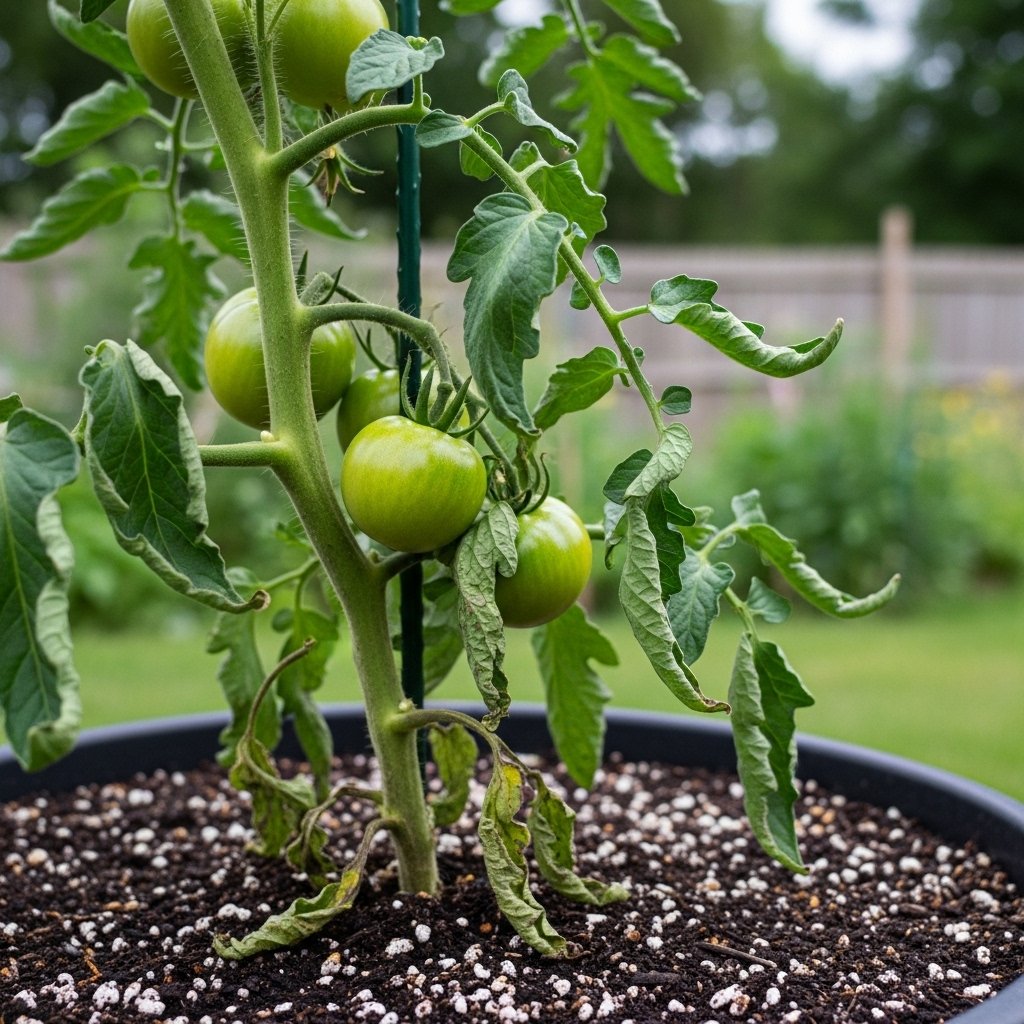
Tomato leaves curling can turn your thriving garden into a worry overnight. Gardeners everywhere spot those telltale upward rolls or twists and wonder if pests, weather, or poor care are to blame. This guide breaks down the most common causes of tomato leaf curl, from environmental stress to hidden diseases.
You’ll learn simple diagnostics, step-by-step fixes, and prevention strategies that work in any climate. By the end, you’ll revive your plants and harvest healthy tomatoes with confidence. No more guesswork—just actionable steps for straight, green leaves.
What Causes Tomato Leaves Curling?
Tomato leaf curl, also called physiological leaf roll, happens when leaves twist upward, inward, or crinkle. It’s often a sign your plants are stressed but not always fatal.
This common issue affects tomatoes worldwide, especially in hot or variable weather. Leaves may yellow or drop if ignored, but quick fixes restore vigor. Unlike pest damage, curl from environment lacks holes or spots.
Key Symptoms of Tomato Leaf Curl
Spotting leaf curl early prevents bigger problems. Look for these signs on your plants.
- Leaves roll upward like a taco shell, exposing the underside.
- Twisting or crinkling along edges, starting on lower leaves.
- Plants slow growth or drop leaves, but stems stay upright.
- No sticky residue, webbing, or visible bugs on mild cases.
- Yellowing veins or bronzing in severe heat-related curl.
These clues help you pinpoint the trigger fast.
What Is Tomato Leaf Curl?
Tomato leaf curl is a condition where tomato plant leaves roll upward, inward, or crinkle due to stress factors. It’s not a disease but a response to environment, care issues, or pests.
Common in home gardens, it signals imbalance like too much sun or water fluctuations. Leaves thicken and leathery as protection. Fixing the root cause straightens them in days to weeks.
Key Causes of Tomato Leaves Curling
Understanding triggers helps you act fast. Here are the top reasons.
- Environmental stress: High heat over 90°F (32°C) or intense sun makes leaves curl to reduce water loss.
- Water inconsistencies: Overwatering or underwatering stresses roots, causing uneven growth.
- Nutrient imbalances: Excess nitrogen or calcium deficiency warps leaf development.
- Pest attacks: Aphids, whiteflies, or mites suck sap, twisting leaves.
- Herbicide drift: Wind-blown chemicals from nearby lawns cause irregular curling.
- Viral infections: Tomato yellow leaf curl virus spreads via insects, leading to stunted plants.
Each cause has distinct fixes.
Step-by-Step Guide to Diagnose and Fix Tomato Leaves Curling
Follow these steps to identify and treat curling leaves. Start in the garden with basic tools.
- Inspect closely: Check leaf undersides for pests like tiny aphids or mites. Use a magnifying glass.
- Test soil moisture: Stick your finger 2 inches deep—if soggy or bone-dry, adjust watering.
- Measure environment: Use a thermometer for temps above 90°F and humidity below 50%.
- Review care history: Note recent fertilizers, sprays, or transplants that might imbalance nutrients.
- Prune affected leaves: Remove curled ones with clean shears to redirect energy.
- Apply targeted fix: Water evenly, shade plants, or treat pests with neem oil spray.
- Monitor weekly: Track new growth—if no improvement in 7-10 days, test soil pH.
These actions save most plants.
Comparison Table: Common Causes vs. Fixes for Tomato Leaf Curl
| Cause | Symptoms | Quick Fix | Prevention | Time to Recover |
|---|---|---|---|---|
| Heat Stress | Upward roll, leathery leaves | Shade cloth, mulch | Plant in afternoon shade | 3-7 days |
| Water Issues | Wilting + curl, uneven soil | Consistent deep watering | Drip irrigation | 5-10 days |
| Pests (Aphids) | Sticky honeydew, clustered bugs | Insecticidal soap or neem | Companion plants like basil | 7-14 days |
| Nutrient Excess | Dark green, brittle edges | Flush soil, balanced fertilizer | Soil test before feeding | 10-14 days |
| Herbicide Drift | Twisted tips, no pests | Rinse plants, improve air flow | Avoid windy spray days | 2-4 weeks |
| Viral Disease | Yellow veins, stunted growth | Remove plant, control vectors | Resistant varieties | Often permanent |
Use this table to match your symptoms and choose the best path.
Customization for Different Growing Setups
Tailor fixes to your space for better results.
Container Tomatoes on Patios: Heat builds fast—move pots to partial shade and use self-watering pots to steady moisture. Add perlite for drainage.
Raised Beds in Gardens: Mulch thickly with straw to cool roots. Test soil pH (aim for 6.0-6.8) and amend with lime if low calcium shows.
Greenhouse Growing: High humidity traps pests—boost airflow with fans. Introduce beneficial insects like ladybugs for organic control.
Hydroponic Systems: Check pH daily (5.5-6.5) and EC levels to avoid nutrient lockout. Flush reservoirs if curl starts.
These tweaks match urban balconies to large plots.
Expert Tips for Best Results
From years tending tomato patches, these insider moves prevent repeat issues.
- Plant heat-tolerant varieties like ‘Heatwave’ or ‘Solar Fire’ in hot zones—they curl far less.
- Water early morning only, aiming for 1-2 inches weekly, measured with a rain gauge.
- Mix compost tea weekly for microbes that buffer nutrient swings without overload.
- Hang reflective mulch like silver plastic to bounce light away from leaves.
- Scout weekly at dawn when pests hide less—early detection halves damage.
Apply these for bumper crops.
Common Mistakes to Avoid
Steer clear of these pitfalls that worsen curl.
- Over-fertilizing: Too much nitrogen pushes leafy growth that curls—dilutes roots and invites imbalance.
- Ignoring wind: Constant breezes dry leaves fast—stakes or windbreaks stabilize.
- Planting too close: Crowding traps humidity, breeding viruses—space 24-36 inches apart.
- Using harsh chemicals: Broad sprays kill good bugs too, extending recovery.
- Skipping soil tests: Guessing nutrients fails—kits reveal hidden deficiencies.
Avoid them to save time and plants.
Real-World Examples from Home Gardens
In a Texas backyard last summer, 95°F heat curled leaves on 20 plants. The owner shaded with old bedsheets and mulched deeply—new growth straightened in a week, yielding 50 pounds of tomatoes.
A balcony grower in Florida battled aphids after rain. Weekly neem sprays and ladybug releases cleared infestation; plants recovered fully despite humidity.
One community garden faced herbicide drift from a neighbor’s weed killer. Affected plants got heavy rinses and extra compost—half bounced back, teaching the group to choose drift-resistant spots.
These cases show fixes work across setups.
Why Are My Tomato Leaves Curling Upward?
Upward curling often means heat or water stress. Leaves roll to shade themselves and cut evaporation. Check soil—dry top inch signals underwatering. Provide shade and consistent moisture for quick recovery, usually in 5-7 days.
Can Tomato Leaf Curl Be Fixed?
Yes, most cases reverse with prompt action. Identify the cause via inspection, then adjust water, shade, or pests. Environmental curl fixes fastest; viruses may require plant removal. Expect improvement in 1-2 weeks.
Is Tomato Leaf Curl Caused by Overwatering?
Overwatering leads to root rot, mimicking curl with droopy rolls. Soil stays soggy 2 inches down. Let topsoil dry between waterings and improve drainage with perlite. Plants perk up once roots breathe.
How Do I Prevent Tomato Leaves from Curling?
Mulch to retain moisture, choose resistant varieties, and water deeply but infrequently. Space plants for airflow and test soil yearly. Avoid midday sun exposure—morning checks catch issues early.
Will Curled Tomato Leaves Go Back to Normal?
Often yes, if stress-based. New leaves grow straight after fixes like shading or pest control. Old curled ones stay but drop naturally. Full recovery takes 7-14 days with consistent care.
When Should I Remove Curled Tomato Leaves?
Prune if pests hide underneath or disease spreads. Use sterilized shears for 20% max removal to avoid shock. Healthy but curled leaves can stay—they photosynthesize fine.
Conclusion
Tomato leaves curling stems from heat, water woes, pests, or care slips—but armed with these diagnostics, fixes, and preventions, you can turn it around. Use the step-by-step guide, table, and tips to match your setup and thrive.
Head to your garden now: inspect, adjust, and watch plants rebound. You’re now equipped for healthy harvests year after year. Got curling tomatoes? Start with shade and steady water today.