
Easy Turkey Gravy from Drippings
Easy Turkey Gravy from Drippings
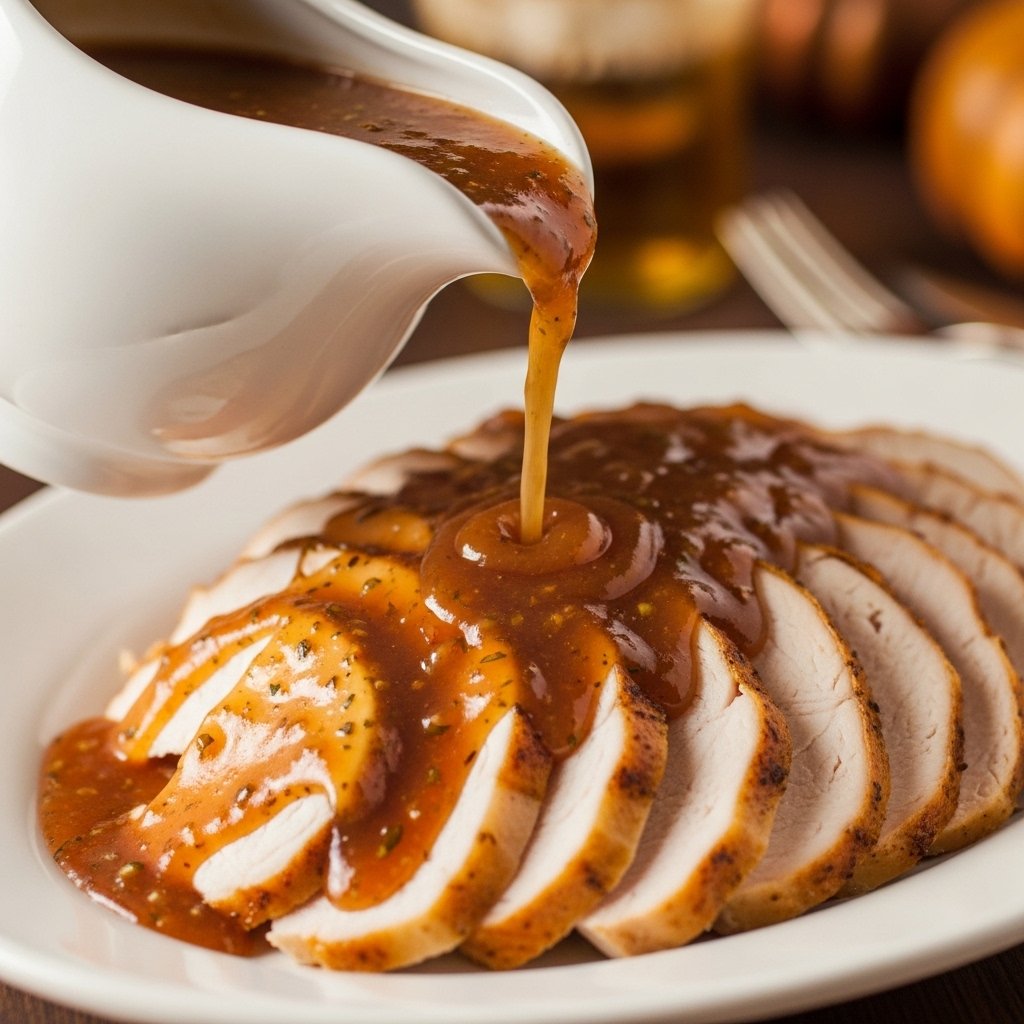
Turkey gravy is the finishing touch that brings a Thanksgiving meal together. Rich, savory, and deeply flavorful, it enhances everything from roasted turkey to mashed potatoes and stuffing.
The good news is that making homemade turkey gravy doesn’t have to be complicated or time-consuming. With a few simple steps and the right technique, you can create a smooth, lump-free gravy in under 15 minutes using the flavorful drippings from your roasted turkey.
Why Turkey Gravy Is Essential
Gravy is more than just a sauce—it’s what ties the entire meal together.
- Adds moisture and richness to roasted turkey
- Enhances the flavor of side dishes like mashed potatoes and stuffing
- Makes use of turkey drippings instead of wasting them
- Brings balance and depth to every bite on the plate
A well-made gravy can elevate even simple dishes into something memorable.
The Basics of Making Gravy
At its core, turkey gravy is simple. It relies on a few key steps that ensure the right texture and flavor.
- Strain the drippings to remove solids
- Separate fat from liquid
- Make a roux using fat and flour
- Whisk in liquid gradually
- Simmer until thick and smooth
Once you understand this process, you can make gravy confidently every time.
Ingredients for Turkey Gravy
This classic gravy uses simple, pantry-friendly ingredients.
- 3 tablespoons turkey fat (from drippings) or butter
- 3 tablespoons all-purpose flour
- 2 cups turkey drippings (plus stock or water if needed)
- 1/4 cup milk, stock, or water (optional, for adjusting consistency)
- Salt and black pepper to taste
These ingredients create a rich, balanced gravy with a smooth texture.
Tools You’ll Need
- Fine mesh sieve for straining drippings
- Large measuring cup
- Medium saucepan
- Whisk (essential for smooth gravy)
- Serving dish or gravy boat
Using the right tools makes the process faster and more reliable.
Step-by-Step: How to Make Turkey Gravy
1. Strain the Drippings
After removing the turkey from the roasting pan, pour the pan drippings through a fine mesh sieve into a measuring cup. This removes any bits and ensures a smooth base.
2. Separate the Fat
Let the drippings sit for a few minutes so the fat rises to the top. Skim off about 3 tablespoons of fat—this will be used to make the roux.
You should have about 2 cups of liquid. If not, add chicken or turkey stock to reach this amount.
3. Make the Roux
In a saucepan over medium heat, add the fat. Once hot, whisk in the flour.
Cook for about 2 minutes, whisking constantly, until the mixture turns light golden and develops a slightly nutty aroma.
4. Add the Liquid
Slowly pour in the reserved turkey drippings while whisking continuously. This step is key to preventing lumps.
Bring the mixture to a gentle boil, allowing it to thicken.
5. Adjust Consistency
If the gravy is too thick, add a splash of milk, water, or stock. If it’s too thin, let it simmer a bit longer.
6. Season and Serve
Season with salt and black pepper to taste. Transfer to a serving dish and serve warm.
The gravy will continue to thicken slightly as it cools.
Tips for Smooth, Lump-Free Gravy
A few simple techniques can make all the difference.
- Always strain drippings for a smooth base
- Whisk constantly when adding flour and liquid
- Add liquid gradually, not all at once
- Cook the roux long enough to remove the raw flour taste
- Use medium heat to prevent burning
If lumps do form, you can strain the gravy before serving or blend it briefly.
How to Fix Common Gravy Problems
Even experienced cooks run into issues—here’s how to fix them quickly.
- Lumpy gravy: Whisk vigorously or strain before serving
- Too thick: Add more stock, milk, or water gradually
- Too thin: Simmer longer or add a small flour slurry
- Too salty: Dilute with unsalted stock or water
- Lacks flavor: Add more drippings, pepper, or a splash of sherry
These adjustments can rescue your gravy without starting over.
Flavor Variations to Elevate Your Gravy
Once you master the basic recipe, you can easily enhance it with additional flavors.
Roasted Garlic and Onion
Blend roasted garlic and caramelized onions into the gravy for a deeper, richer taste.
Sherry-Infused Gravy
Add a splash of dry sherry and let it reduce slightly for added complexity.
Tangy Finish
A small amount of Dijon mustard or red wine vinegar adds brightness and balance.
Herb-Enhanced Gravy
Stir in fresh thyme, sage, or rosemary for a more aromatic profile.
Vegetarian Gravy Option
Use vegetable or mushroom broth with butter instead of turkey drippings for a plant-based version.
Make-Ahead and Storage Tips
Gravy can be prepared in advance, making holiday cooking easier.
Make Ahead
Prepare gravy up to 2 days in advance and store in the refrigerator. Reheat gently while whisking.
Refrigeration
Store leftovers in an airtight container for 3–4 days.
Freezing
Freeze in small portions for up to 2 months. Thaw overnight in the refrigerator before reheating.
Reheating
Warm over low heat, adding a splash of stock or water to restore the original consistency.
Serving Ideas
Turkey gravy pairs beautifully with a variety of dishes.
- Drizzle over roasted turkey slices
- Serve with mashed potatoes or stuffing
- Add to roasted vegetables for extra flavor
- Use in sandwiches or leftover casseroles
Its versatility makes it one of the most important components of a holiday meal.
Why This Method Works
This gravy method works because it builds flavor in layers. The turkey drippings provide a rich base, while the roux creates a stable, smooth texture. Gradual whisking ensures everything blends evenly, resulting in a silky, well-balanced sauce.
By controlling each step—fat, flour, and liquid—you can achieve the perfect consistency and flavor every time.
Pairing with Classic Thanksgiving Dishes
Turkey gravy shines alongside traditional holiday favorites.
- Mashed potatoes
- Stuffing or dressing
- Green bean casserole
- Sweet potato casserole
- Cranberry sauce
- Roast vegetables
Together, these dishes create a complete and comforting Thanksgiving spread.
Making turkey gravy from scratch is one of the easiest ways to elevate your meal. With just a few ingredients and simple steps, you can create a rich, smooth sauce that brings everything on your plate together.
FAQs
Is there a way to make turkey gravy without using drippings?
Yes, substitute 1/4 cup melted butter for the drippings and follow the same steps for great flavor.
How do I fix lumpy gravy?
Whisk the gravy over gentle heat or use an immersion blender. Strain if necessary.
Can I prepare this gravy in advance?
Absolutely. Refrigerate for up to 3 days or freeze. Rewarm with a little stock.
Is turkey gravy gluten-free?
Not with flour. Substitute a cornstarch slurry for a gluten-free option.
How much gravy per person?
Plan 1/3 cup per serving. This mix makes 3 cups for 8 – 10 people.
What is the best thickener for turkey gravy?
A roux made with flour is the smoothest and richest.